The quest for a consistently clean home often feels like a never-ending battle. Between busy schedules, pets, and the general dust and debris of daily life, keeping floors spotless can be a significant chore. Imagine a world where your floors are automatically vacuumed and mopped, day in and day out, without you lifting a finger. This isn’t a futuristic dream; it’s the reality offered by advanced robot vacuum and mop combos, transforming how we approach home cleaning. These intelligent devices are designed to lighten your load, offering a seamless blend of convenience and efficiency that redefines floor care.
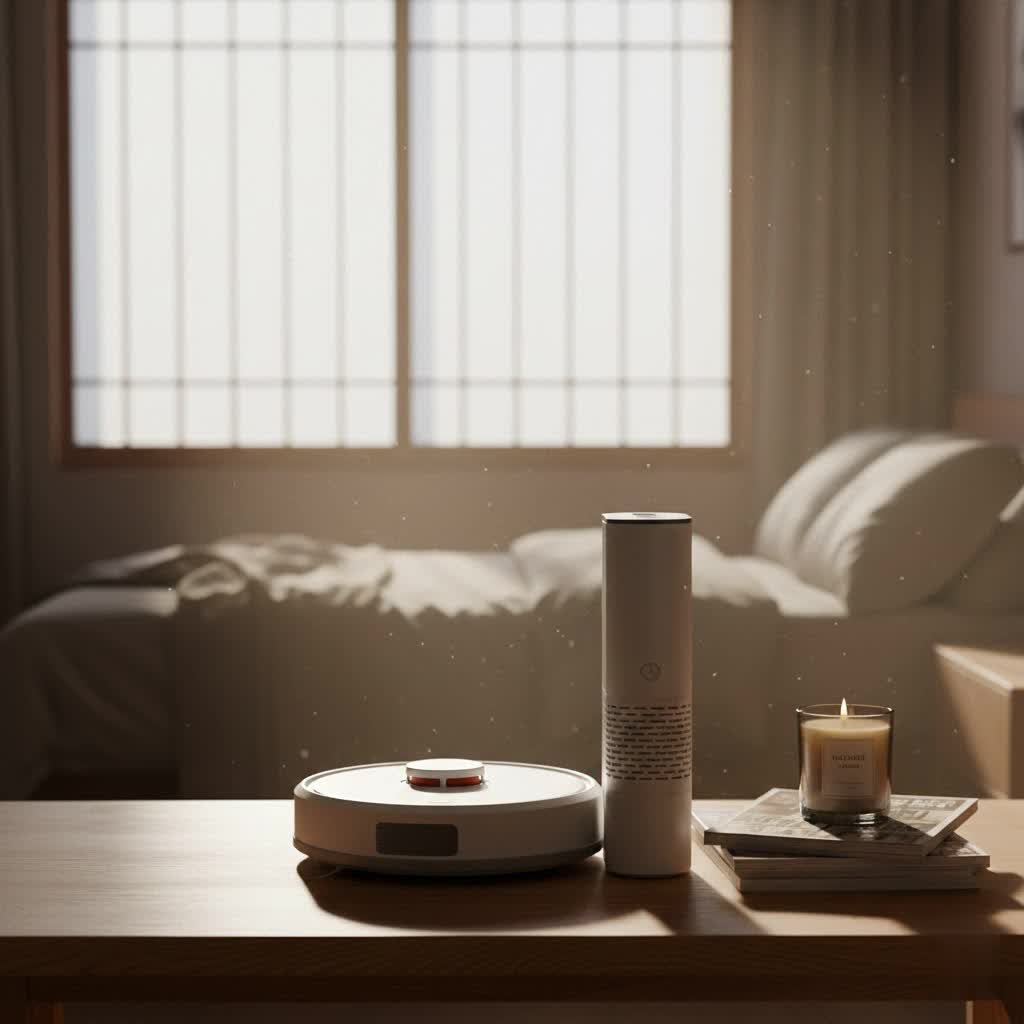
What is a Robot Vacuum and Mop? Why You Need One for Modern Living
A robot vacuum and mop is an autonomous cleaning device that combines the functions of a traditional robot vacuum cleaner with the added capability of wet mopping. Equipped with an array of sensors, cameras, and sophisticated navigation systems, these compact machines move independently around your home, diligently collecting dry debris and then scrubbing hard floors.
The primary benefit of integrating a robot vacuum and mop into your home is the significant time and effort it saves. Unlike traditional cleaning methods that demand manual labor, these robots operate on schedules you set, keeping your floors consistently tidy without your direct involvement. They excel at maintaining cleanliness, preventing the buildup of dust, crumbs, and pet hair before it becomes a noticeable problem. Furthermore, their low profile allows them to clean under furniture and in other hard-to-reach areas that often get overlooked during manual cleaning. Before investing, consider your home’s size, floor types, and specific cleaning challenges to ensure you choose a model that truly meets your needs.
Exploring the Different Types of Robot Vacuum and Mop Systems
The world of robot vacuum and mop combos is diverse, with models offering varying levels of sophistication in both their vacuuming and mopping capabilities. Understanding these differences is key to selecting the right device for your household.
Vacuuming Technology
|
Our Picks for the Best Robot Vacuum in 2026
As an Amazon Associate I earn from qualifying purchases.
|
||
| Num | Product | Action |
|---|---|---|
| 1 | eufy Robot Vacuum 11S MAX, Super Thin, Powerful Suction, Quiet, Self-Charging Robotic Vacuum Cleaner, Cleans Hard Floors to Medium-Pile Carpets, Black |

|
| 2 | eufy C10 Robot Vacuum Self Emptying, 8 Weeks Hands Free, Advanced Smart Mapping with LiDAR Navigation, 2.85-Inch Slim Design, Powerful Suction, Edge Expansion Brush for Pet Hair, Carpet Detection |
|
| 3 | iRobot Roomba 105 Vac Robot Vacuum - Easy to use, Intense Power-Lifting Suction, LiDAR Navigation, Multi-Surface Cleaning, Cleans in Neat Rows, Self-Charging |
|
| 4 | iRobot Roomba 105 Vac Robot Vacuum with AutoEmpty Dock - Self-Empties for 75 Days, Easy to use, Intense Power-Lifting Suction, LiDAR Navigation, Multi-Surface Cleaning, Cleans in Neat Rows |
|
| 5 | Robot Vacuum and Mop Combo,Equipped with Wireless Touch Button, Vacuum Robot Vacuum Cleaner and mop Combination, Silent, Advanced Obstacle Avoidance Suitable for Home Tiles Robot Vacuum and (White) |
|
| 6 | ILIFE A30 Pro Robot Vacuum and Mop, Self Emptying Station for 60 Days, 5000Pa Suction, LiDAR Navigation, No-Go Zones, 2.4G WiFi/App/Alexa/Remote Control, Roller Brush for Carpet, Hard Floors, 110V |
|
| 7 | eufy Robot Vacuum E25, HydroJet System with Roller Mop, 20,000 Pa Turbo Suction, All-in-One Robot Vacuum and Mop Combo, Edge-to-Corner Cleaning, Zero-Tangle Design, AI Obstacle Avoidance (Upgraded) |
|
| 8 | Tikom Robot Vacuum and Mop, 6000Pa Robotic Vacuum Cleaner with Self-Emptying Base, 90 Days Capacity, LiDAR Navigation, Home Mapping, Ideal for Pet Hair, Hard Floors, Carpet (L8000 Plus) |
|
| 9 | roborock Saros 10R Robot Vacuum and Mop, 22,000 Pa Suction, Zero-Tangling, 3.14’’ Ultra Slim, FlexiArm Riser Technology for Carpet & Floor, Corner & Edge Cleaning, Self-Emptying, Hot Air Drying, Black |
|
| 10 | Tikom Robot Vacuum and Mop Combo, 5000Pa Robotic Vacuum Cleaner, 150 Min Max, App & Remote Control, Ideal for Hard Floor, Carpet, Pet Hair, Self-Charge(G8000 Max) |
|
At their core, robot vacuum and mops employ powerful suction motors and various brush designs to dislodge and collect debris. Suction power, often measured in Pascals (Pa), indicates how effectively the robot can pick up dirt. While a respectable 4,000-5,000 Pa is sufficient for general cleaning, homes with pets or high-traffic areas might benefit from models boasting 8,000 Pa or more for deeper cleaning. Brush systems typically include a main brush roll (which can be a bristle, rubber, or hybrid design) to agitate carpets and hard floors, along with side brushes that sweep debris from edges and corners into the robot’s path.
Mopping Technology
This is where significant distinctions emerge. Basic models may use a simple damp cloth that drags behind the robot, offering a light wipe rather than a deep clean. More advanced systems feature:
- Vibrating or Pressurized Pads: These pads apply downward force and vibrate to scrub away sticky messes and dried stains more effectively.
- Dual Rotating Mop Pads: Two spinning pads actively scrub the floor, mimicking manual mopping motion for superior cleaning.
- Roller Mops: Some innovative designs use a continuous roller mop that is self-cleaned and refreshed with clean water during the mopping cycle, preventing the spread of dirty water. High-end versions may even use heated water for enhanced stain removal.
Many modern combos also include automatic mop lifting mechanisms, allowing the robot to detect carpets and raise its mop pads to avoid wetting them while continuing to vacuum.
Navigation & Smart Features
Modern robot vacuum and mops utilize sophisticated navigation systems to efficiently clean your home.
- LiDAR (Light Detection and Ranging): A prevalent technology, LiDAR uses lasers to create detailed 3D maps of your home, enabling systematic cleaning paths, precise obstacle avoidance, and the ability to store multiple floor plans.
- vSLAM (Visual Simultaneous Localization and Mapping): This uses cameras to map the environment, often combined with other sensors for improved navigation.
- AI Obstacle Avoidance: Advanced robots integrate AI and cameras to recognize and actively avoid common household items like shoes, wires, or even pet waste, minimizing interruptions and potential damage.
Beyond navigation, smart features like Wi-Fi connectivity, smartphone app control, and voice assistant integration (Alexa, Google Assistant) allow you to schedule cleanings, define virtual boundaries and no-go zones, select specific rooms to clean, and customize suction or water flow settings.
Self-Maintenance Features
For ultimate hands-off convenience, many premium models come with multi-functional docking stations that perform various maintenance tasks:
- Self-Emptying Dustbins: The robot automatically empties its collected debris into a larger bag or bin within the dock, requiring you to empty it only every few weeks or months.
- Auto Mop Washing and Drying: The dock cleans the robot’s mop pads and then dries them with hot air to prevent mildew and odors.
- Auto Water Refill: The clean water tank in the robot is automatically refilled from a larger reservoir in the dock.
These features significantly reduce daily intervention, making the robot truly autonomous for extended periods.
Top Robot Vacuum and Mop Combos: A Detailed Comparison (2024-2025)
Choosing from the plethora of options can be daunting. Here’s a comparative look at some of the most popular and highly-rated robot vacuum and mop combos, highlighting their strengths.
| Brand | Model (Example) | Max Suction (Pa) | Mopping Type | Key Features | Price Range |
|---|---|---|---|---|---|
| Roborock | Qrevo CurvX | 18,500 | Dual Rotating Pads | Self-empty, Auto-lift Mop, AI Avoidance | High |
| Ecovacs | Deebot X8 Pro Omni | 8,000 | Roller Mop | Self-empty, Auto Mop Wash/Dry, AI Avoidance | High |
| Dreame | L50 Ultra | 19,500 | Dual Rotating Pads | Self-empty, Auto Mop Wash/Dry, Object ID | High |
| Narwal | Freo X Ultra | 30,000 | Hot Water Track Mop | Self-empty, Auto Mop Wash/Dry, EdgeReach | High |
| Yeedi | M12 Pro+ | 5,000+ | Roller Mop | Self-empty, Auto Mop Wash | Mid-range |
Note: Suction figures are often ‘max’ or ‘turbo’ mode and can vary between manufacturers. ‘Price Range’ is relative and can fluctuate.
The Roborock Qrevo CurvX is often lauded for its robust vacuuming, exceptional mopping with auto-lifting pads for carpets, and reliable navigation. The Ecovacs Deebot X8 Pro Omni offers a fantastic hands-off experience with its effective roller mop and comprehensive self-maintenance features. For those dealing with heavy pet hair or larger homes, the Dreame L50 Ultra delivers powerful suction and excellent object identification. If deep mopping and stubborn stain removal are priorities, the Narwal Freo X Ultra stands out with its innovative hot water track mopping system. For a mid-range option that still provides solid mopping and some automation, the Yeedi M12 Pro+ is a strong contender.
How to Choose the Perfect Robot Vacuum and Mop for Your Home
Selecting the ideal robot vacuum and mop involves a thoughtful assessment of your specific needs and living environment. Here are the crucial factors to consider:
- Budget Alignment: Robot vacuum and mop combos range significantly in price. Determine how much you are willing to invest. While budget models offer basic cleaning, higher-priced units provide advanced features like superior navigation, powerful suction, sophisticated mopping, and comprehensive self-maintenance.
- Home Size and Floor Types: For smaller apartments with mostly hard floors, a simpler model might suffice. Larger homes or those with complex layouts will benefit from robots with longer battery life, intelligent mapping, and auto-charge/resume functions. If you have a mix of hard floors and carpets, look for models with automatic mop-lifting to prevent wetting carpets.
- Pet Considerations: Pet owners face unique challenges, including shedding hair, dander, and potential accidents. Prioritize robots with strong suction power, tangle-free brush rolls designed to handle pet hair, and advanced obstacle avoidance to navigate around pet toys and messes. Larger dustbins or self-emptying docks are also highly beneficial.
- Must-Have Smart Features: Evaluate which smart functionalities are essential for your lifestyle. Do you need precise room-by-room cleaning, virtual no-go zones, or seamless integration with voice assistants? App control is a standard feature, but the quality and intuitiveness of the app can vary.
- Maintenance Effort vs. Hands-Off Automation: Consider how much manual involvement you’re comfortable with. Entry-level models require more frequent emptying of dustbins and cleaning of mop pads. Premium models with self-emptying, auto mop washing, and hot air drying docks offer the highest level of automation, significantly reducing your interaction with the device.
By carefully evaluating these points, you can narrow down your choices and find a robot vacuum and mop that perfectly complements your home and cleaning preferences.
Expert Tips for Maximizing Your Robot Vacuum and Mop’s Lifespan
Just like any appliance, your robot vacuum and mop requires regular care to maintain optimal performance and extend its lifespan. Consistent maintenance ensures it continues to clean effectively and avoids common issues like reduced suction or poor navigation.
Daily Care
- Empty the Dustbin: If your robot doesn’t have a self-emptying dock, make it a habit to empty the dustbin after every cleaning cycle. A full dustbin can quickly diminish suction power.
- Clean Mop Pads: For models without auto-washing docks, remove and clean the mop pads after each mopping session. Warm water and mild soap are usually sufficient. Allowing them to dry completely prevents mildew and the spread of dirty water.
Weekly Checks
- Clean and Detangle Brushes: Remove the main brush roll and side brushes to clear any tangled hair, strings, or debris. This prevents strain on the motor and ensures effective pickup.
- Clean Filters: Tap out or gently brush your robot’s filter to remove accumulated dust. If your filter is washable, rinse it with water and allow it to air dry completely before reinstallation. Clogged filters weaken suction.
- Wipe Sensors and Charging Contacts: Use a dry microfiber cloth to wipe down the cliff sensors (on the bottom), wall sensors, and charging contacts. Dirt buildup can interfere with navigation and charging.
- Check Wheels: Remove any hair or debris tangled around the wheels and their wells, which can affect mobility.
Periodic Deep Cleaning
- Deep Clean Brushes and Sensors: Every one to two months, perform a more thorough cleaning of brushes, dislodging any stubborn debris.
- Replace Mop Pads and Cleaning Solution: Depending on usage, replace worn mop pads and ensure you’re using the recommended cleaning solution to avoid streaks or residue.
- Self-Empty Station Maintenance: If you have a self-emptying dock, remember to periodically empty or replace the disposable dust bag, clear the dock’s air path, and clean the mop-washing tray.
Replacement Schedule
- Filters, Brushes, and Mop Pads: These components wear out over time. Most manufacturers recommend replacing filters every 1-2 months and brushes/mop pads every 3-6 months, depending on usage. Check your robot’s manual for specific guidelines.
By following these simple maintenance steps, you can ensure your robot vacuum and mop remains a reliable and efficient cleaning partner for years to come.
“A robot vacuum and mop isn’t just a gadget; it’s an investment in your peace of mind. Regular maintenance ensures it pays dividends for years.”
Conclusion: Embrace the Future of Effortless Home Cleaning
The advent of robot vacuum and mop combos has revolutionized home cleaning, moving us closer to a future where maintaining pristine floors requires minimal effort. From their intelligent navigation and powerful dual-action cleaning to advanced self-maintenance features, these devices are designed to seamlessly integrate into your lifestyle, offering consistent cleanliness and invaluable time savings.
No longer do you have to choose between vacuuming and mopping; these versatile robots handle both, adapting to different floor types and tackling daily messes with remarkable autonomy. Their continuous evolution, marked by advancements in AI, sensor technology, and hands-free operation, means they are more effective and convenient than ever before. Investing in a robot vacuum and mop isn’t just about buying a cleaning appliance; it’s about embracing a smarter, more efficient way to manage your home. Are you ready to discover the perfect robotic cleaning companion that will keep your floors sparkling and free up your precious time?
Frequently Asked Questions
Are robot vacuum and mops worth it?
Yes, for many households, robot vacuum and mops are incredibly worthwhile. They provide consistent daily cleaning with minimal manual effort, saving significant time and helping maintain a cleaner environment, especially for busy individuals or homes with pets. While they may not replace deep manual cleaning entirely, they drastically reduce the frequency of such tasks.
Can they clean pet hair effectively?
Many robot vacuum and mop models are specifically designed to handle pet hair. Look for features like strong suction power (8,000+ Pa), tangle-free brush rolls, and larger dustbins or self-emptying docks. Advanced obstacle avoidance also helps them navigate around pet toys and avoid spreading pet waste.
How often should I clean my robot vacuum and mop?
Daily tasks typically include emptying the dustbin (unless it’s self-emptying) and cleaning mop pads. Weekly maintenance involves cleaning brushes, filters, and wiping sensors. A deeper clean of all components, including wheels and charging contacts, is recommended every 1-2 months, with parts replacement every 3-6 months, depending on usage.
Can they replace traditional vacuums/mops entirely?
While robot vacuum and mops are excellent for daily maintenance and light to moderate cleaning, they often do not fully replace the need for traditional vacuums for deep carpet cleaning or handheld mops for stubborn, caked-on stains or intricate spaces like stairs. For many homes, the best solution is to use both: the robot for routine cleaning, and traditional tools for intensive or targeted tasks.
What happens if my robot vacuum and mop gets stuck?
Modern robot vacuum and mops are equipped with advanced sensors and AI obstacle avoidance to minimize getting stuck. If they do, most models will send a notification to your smartphone app, indicating their location and the issue. Some can even free themselves from minor obstructions.
