In the rapidly evolving world of home cleaning, robot vacuums have transformed from luxury gadgets into indispensable allies for maintaining pristine floors. These intelligent devices promise a hands-free solution, liberating you from daily sweeping and vacuuming. Among the myriad brands, Shark and iRobot (makers of Roomba) stand out as industry leaders, each boasting a loyal following and an impressive array of innovative technologies. But with diverse features, price points, and performance capabilities, choosing between them can be a daunting task. This guide will delve deep into the offerings of both Shark and iRobot Roomba, providing a clear comparison to help you select the ideal robot vacuum for your home and lifestyle.
What is a Robot Vacuum? Why Do You Need One?
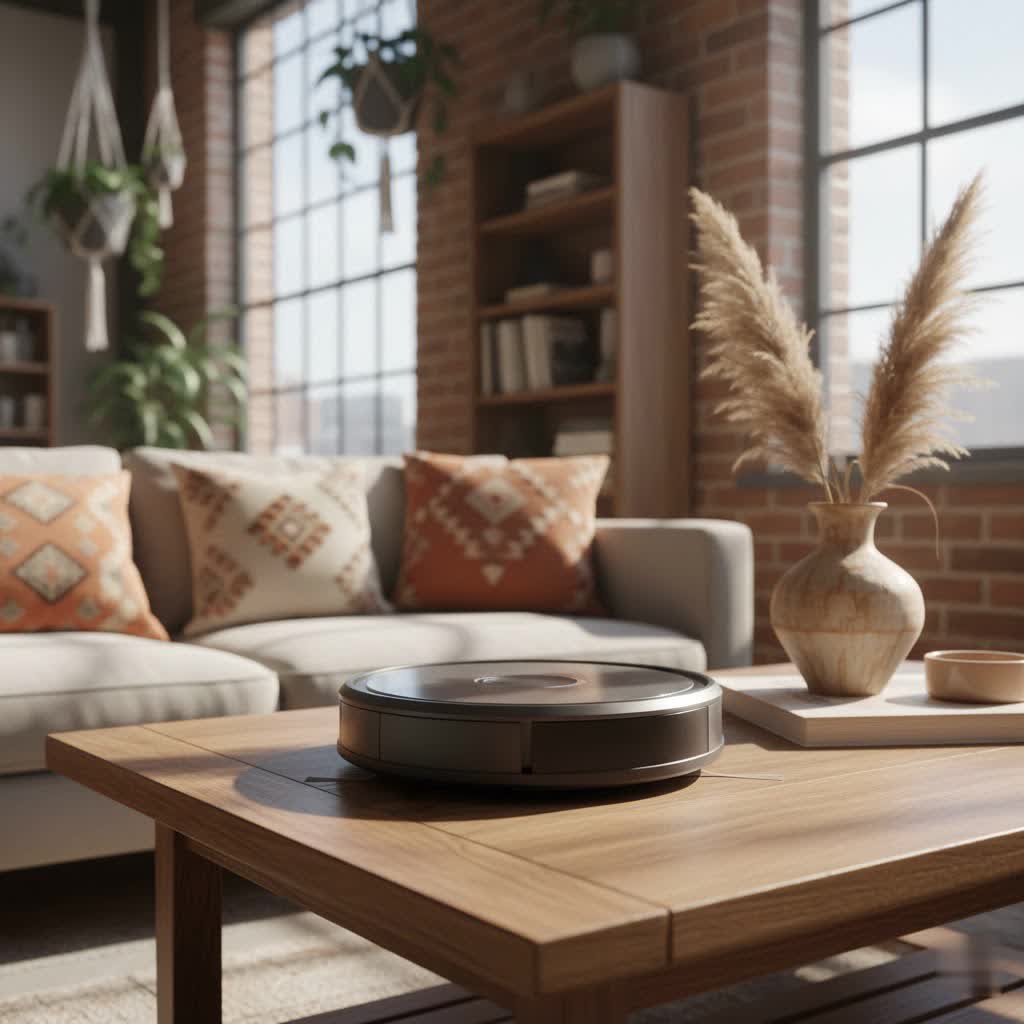
A robot vacuum is an autonomous cleaning device designed to navigate your home, collecting dust, dirt, and debris from various floor surfaces. Equipped with sensors, smart mapping, and often app control, these machines simplify your cleaning routine significantly. The primary benefit of owning a robot vacuum is unparalleled convenience. Imagine waking up to freshly vacuumed floors or arriving home to a spotless house without lifting a finger. Robot vacuums excel at consistent, daily cleaning, preventing the buildup of dirt and allergens. They can effortlessly reach under furniture and into tight corners, areas often missed by traditional upright vacuums. For busy households, pet owners, or anyone seeking to reclaim valuable time, a robot vacuum offers a practical and efficient solution for a cleaner living environment. Before making a purchase, consider your home’s size, floor types, whether you have pets, and your budget, as these factors will influence the best choice for your specific needs.
Understanding Robot Vacuum Types: Shark vs. iRobot Roomba
The robot vacuum market offers various types, primarily categorized by their core functionalities: vacuum-only models, hybrid vacuum and mop units, and those with advanced self-emptying capabilities. Both Shark and iRobot Roomba have robust lineups that span these categories, incorporating advanced features to cater to different cleaning demands.
Shark is known for providing a blend of innovation and affordability. Their models often integrate powerful suction, intelligent navigation, and convenient self-emptying docks, frequently at a more accessible price point. Shark’s product range includes dedicated vacuum robots and 2-in-1 vacuum and mop combinations, making them versatile options for various homes.
iRobot, the pioneer of the Roomba, has a reputation for cutting-edge technology and premium performance. Roomba models are celebrated for their sophisticated navigation, robust cleaning algorithms, and specialized features tailored for diverse challenges, including pet hair and intricate home layouts. Their portfolio also covers vacuum-only units, advanced combo models with mopping, and self-emptying variants.
Shark Robot Vacuums: Innovation Meets Affordability
Shark has cemented its position as a strong contender in the robot vacuum market, often lauded for delivering high performance with a keen eye on value. Their models are designed to tackle everyday messes effectively, integrating several smart technologies.
Key Technologies & Features
- Suction Power & Cleaning Performance: Shark robot vacuums typically feature strong suction, adept at pulling dirt and debris from both carpets and hard floors. Many models, such as those in the PowerDetect series, include a feature that automatically boosts suction in dirtier areas, ensuring a thorough clean where it’s needed most. Multi-surface brushrolls are designed to capture pet hair and fine particles without tangling. The innovative CleanEdge technology uses targeted air blasts to push debris from corners and edges directly into the vacuum’s cleaning path, addressing notoriously tricky spots.
- Navigation & Mapping: Shark’s navigation systems, including IQ Navigation and LiDAR-based Precision Home Mapping, allow robots to scan and create detailed maps of your home. This enables methodical, row-by-row cleaning patterns, ensuring comprehensive coverage. Features like Matrix Clean mode offer a deep-cleaning grid pattern for heavily soiled zones, making multiple passes for an intensive clean. These advanced systems help the robots detect and avoid obstacles efficiently.
- Self-Emptying & Bagless Design: A significant convenience feature in many Shark models is the self-emptying base. These docks automatically transfer collected debris from the robot’s dustbin into a larger capacity bin within the base, often holding up to 60 days’ worth of dirt. Shark often utilizes bagless self-empty bins, reducing recurring costs associated with replacement bags.
- Vacuum & Mop Capabilities: Shark offers 2-in-1 models like the Matrix Plus 2-in-1 and PowerDetect 2-in-1, which can both vacuum and mop, providing a comprehensive floor care solution. Some advanced models, such as those with the NeverTouch Pro dock, take automation further by self-washing and self-drying the mop pads and refilling the water tank, minimizing manual intervention.
- App Control: The SharkClean app provides users with control over their robot vacuum. Through the app, you can set cleaning schedules, define specific rooms or zones to clean, and establish no-go zones. While functional, some users find the SharkClean app to be more basic or occasionally glitchy compared to competitors, with fewer customization options for multi-floor mapping or detailed cleaning reports.
|
Our Picks for the Best Robot Vacuum in 2026
As an Amazon Associate I earn from qualifying purchases.
|
||
| Num | Product | Action |
|---|---|---|
| 1 | iRobot Roomba 105 Vac Robot Vacuum with AutoEmpty Dock - Self-Empties for 75 Days, Easy to use, Intense Power-Lifting Suction, LiDAR Navigation, Multi-Surface Cleaning, Cleans in Neat Rows |

|
| 2 | iRobot Roomba 105 Vac Robot Vacuum - Easy to use, Intense Power-Lifting Suction, LiDAR Navigation, Multi-Surface Cleaning, Cleans in Neat Rows, Self-Charging |
|
| 3 | roborock Saros 10R Robot Vacuum and Mop, 22,000 Pa Suction, Zero-Tangling, 3.14’’ Ultra Slim, FlexiArm Riser Technology for Carpet & Floor, Corner & Edge Cleaning, Self-Emptying, Hot Air Drying, Black |
|
| 4 | eufy Robot Vacuum E25, HydroJet System with Roller Mop, 20,000 Pa Turbo Suction, All-in-One Robot Vacuum and Mop Combo, Edge-to-Corner Cleaning, Zero-Tangle Design, AI Obstacle Avoidance (Upgraded) |
|
| 5 | ILIFE A30 Pro Robot Vacuum and Mop, Self Emptying Station for 60 Days, 5000Pa Suction, LiDAR Navigation, No-Go Zones, 2.4G WiFi/App/Alexa/Remote Control, Roller Brush for Carpet, Hard Floors, 110V |
|
| 6 | eufy Robot Vacuum 11S MAX, Super Thin, Powerful Suction, Quiet, Self-Charging Robotic Vacuum Cleaner, Cleans Hard Floors to Medium-Pile Carpets, Black |
|
| 7 | Robot Vacuum and Mop Combo,Equipped with Wireless Touch Button, Vacuum Robot Vacuum Cleaner and mop Combination, Silent, Advanced Obstacle Avoidance Suitable for Home Tiles Robot Vacuum and (White) |
|
| 8 | eufy C10 Robot Vacuum Self Emptying, 8 Weeks Hands Free, Advanced Smart Mapping with LiDAR Navigation, 2.85-Inch Slim Design, Powerful Suction, Edge Expansion Brush for Pet Hair, Carpet Detection |
|
| 9 | Tikom Robot Vacuum and Mop Combo, 5000Pa Robotic Vacuum Cleaner, 150 Min Max, App & Remote Control, Ideal for Hard Floor, Carpet, Pet Hair, Self-Charge(G8000 Max) |
|
| 10 | Tikom Robot Vacuum and Mop, 6000Pa Robotic Vacuum Cleaner with Self-Emptying Base, 90 Days Capacity, LiDAR Navigation, Home Mapping, Ideal for Pet Hair, Hard Floors, Carpet (L8000 Plus) |
|
Pros & Cons of Shark Models
Pros:
- Affordable Price Point: Generally offers more features for the price compared to premium brands.
- Strong Suction: Effective at picking up pet hair and debris on various surfaces.
- Advanced Mapping & Navigation: LiDAR and IQ Navigation provide methodical cleaning.
- Self-Emptying Docks: Convenient for reducing manual emptying frequency.
- 2-in-1 Vacuum & Mop Options: Hybrid models for comprehensive cleaning.
- Bagless Self-Emptying: Lower long-term consumables cost.
Cons:
- App Experience: Some users report the SharkClean app can be less intuitive or feature-rich than rivals.
- Battery Life: Can be average on some models compared to competitors.
- Obstacle Avoidance: While improving with AI, some models might not be as consistently agile as high-end competitors.
Popular Shark Models (2024-2026)
- Shark AI Ultra Robot Vacuum (often referred to as Matrix Plus): Known for powerful suction, LiDAR navigation, and self-emptying. Excellent for carpets and navigating tight spaces. The 2-in-1 Matrix Plus variant offers sonic mopping.
- Shark PowerDetect 2-in-1: A hybrid vacuum and mop robot with enhanced detection features for dirt and floor types. The PowerDetect NeverTouch Pro dock offers self-washing and drying of mop pads and water tank refilling.
- Shark IQ Robot Vacuum: An earlier, more budget-friendly line offering IQ Navigation and self-emptying, suitable for those seeking essential smart cleaning features without a premium price tag.
iRobot Roomba Robot Vacuums: The Pioneering Powerhouses
iRobot, the company behind the iconic Roomba, is synonymous with robot vacuum technology. With decades of innovation, Roomba models are often at the forefront of robotic cleaning, known for their robust build and intelligent features.
Key Technologies & Features
- Suction Power & Cleaning Performance: Roomba vacuums, particularly the high-end S-series and J-series models, boast powerful suction motors that excel at picking up debris from both hard floors and deep within carpet fibers. Their patented dual multi-surface rubber brushrolls are highly effective at capturing pet hair and preventing tangles, a significant advantage for pet owners. The unique Dirt Detect technology allows Roomba to identify extra-dirty areas and focus more intensive cleaning efforts there.
- Navigation & Mapping: iRobot employs various navigation systems. Older or budget-friendly models might use more basic navigation, while advanced models leverage vSLAM (camera-based visual simultaneous localization and mapping) or state-of-the-art LiDAR for precise mapping. PrecisionVision navigation, found in the J-series, uses a front-facing camera to intelligently identify and avoid common household obstacles like cords, shoes, and even pet waste. Smart Mapping enables users to customize cleaning zones, set no-go zones, and manage multi-level homes within the app.
- Self-Emptying Bins: Many Roomba models designated with a “+” (e.g., j7+, s9+) come with a Clean Base Automatic Dirt Disposal unit. This charging dock automatically empties the robot’s dustbin into a sealed bag, often holding up to 60 days of debris, providing a truly hands-free experience.
- Vacuum & Mop Capabilities: iRobot’s Combo series (e.g., Roomba Combo j7+, j9+, 10 Max) offers integrated vacuuming and mopping. The Roomba Combo j7+ features an auto-retract mop pad that lifts when carpet is detected, preventing wet messes on rugs. The Roomba Combo 10 Max, a newer flagship, offers a self-washing and self-drying mop pad within its dock, streamlining maintenance significantly. Some models also incorporate SmartScrub for a more thorough mopping action.
- App Control: The iRobot Home app is generally praised for its intuitive interface, robust features, and reliability. It allows for advanced scheduling, map customization (including naming rooms, creating keep-out zones), and provides detailed cleaning reports. It also supports voice control through virtual assistants like Alexa and Google Assistant.
Pros & Cons of iRobot Roomba Models
Pros:
- Superior Cleaning Performance: Especially strong on carpets and with pet hair due to dual rubber brushes and strong suction.
- Advanced Navigation & Obstacle Avoidance: PrecisionVision and LiDAR offer highly intelligent movement and hazard detection.
- Refined App Experience: Intuitive, feature-rich, and reliable iRobot Home app.
- Self-Emptying Convenience: “+ ” models offer long periods of hands-free dirt disposal.
- Innovative Mop Features: Auto-retracting pads and self-washing/drying docks on top-tier models.
- Brand Trust & Longevity: A pioneer in the robot vacuum space with a proven track record.
Cons:
- Higher Price Point: Generally more expensive, especially for advanced models.
- Noise Levels: Some models can be notably louder during operation or when emptying.
- V-SLAM Limitations: Older vSLAM (camera-based) navigation can struggle in low-light conditions.
- Consumables Cost: Self-emptying docks often use proprietary bags, incurring recurring costs.
Popular Roomba Models (2024-2026)
- iRobot Roomba j9+ / Combo j9+: A top-tier choice known for powerful suction, PrecisionVision navigation (excellent at avoiding pet waste and cords), and a self-emptying base. The Combo variant adds robust mopping with SmartScrub.
- iRobot Roomba S9+: Features iRobot’s most powerful suction motor and a D-shaped design for improved edge cleaning. Comes with a self-emptying base and is excellent for pet hair and deep carpet cleaning.
- iRobot Roomba Combo 10 Max: A newer flagship offering integrated vacuuming and mopping with an advanced dock that self-washes and self-dries the mop pad, a significant step towards full automation.
- iRobot Roomba i3+ EVO: A great value option offering solid cleaning performance, intelligent navigation, and a self-emptying base at a more accessible price point.
Shark vs. iRobot Roomba: A Head-to-Head Comparison
When pitting these two giants against each other, the choice often comes down to specific priorities. Here’s a comparative overview:
| Feature | Shark (General) | iRobot Roomba (General) |
|---|---|---|
| Price Range | More affordable, budget-friendly | Premium, higher price points |
| Suction Power | Strong, PowerDetect feature boosts suction | Very strong (especially S9+, j9+), Dirt Detect technology |
| Navigation | IQ Navigation, LiDAR, Matrix Clean patterns | vSLAM, LiDAR, PrecisionVision (object avoidance) |
| Mapping | Precision Home Mapping, room-specific cleaning | Smart Mapping, multi-floor support, custom zones |
| Mop Function | 2-in-1 models, NeverTouch Pro (self-wash/dry) | Combo models, SmartScrub, auto-retract mop (on carpet) |
| Self-Emptying | Up to 60 days, often bagless | Up to 60 days, typically bagged systems |
| Pet Hair | Good, multi-surface brushrolls | Excellent, dual rubber brushes, Pet Promise |
| App Experience | Functional, can be basic/glitchy | Robust, intuitive, feature-rich, multi-floor mapping |
| Obstacle Avoidance | Good (AI models), “NeverStuck Technology” | Advanced (PrecisionVision for pet waste/cords) |
Who Wins For What?
- Budget-Conscious Buyers: Shark often provides a compelling package of features and performance at a more attractive price point.
- Pet Owners: Roomba generally holds an edge with its dual rubber brushrolls and PrecisionVision navigation (for avoiding pet accidents), making it highly effective for homes with furry companions.
- Advanced Mapping & App Features: iRobot’s app is widely regarded as more sophisticated and user-friendly, offering more detailed control and multi-floor mapping capabilities.
- Vacuum & Mop Automation: Both brands offer highly automated 2-in-1 options. Shark’s NeverTouch Pro and Roomba’s Combo 10 Max provide excellent hands-free mopping, including self-washing and drying.
- Carpet Cleaning: Roomba models like the S9+ and i3+ tend to excel in deep carpet cleaning.
- Hard Floor Cleaning: Both brands perform admirably on hard floors, with Shark Matrix Plus models offering sonic mopping for a scrubbing action.
How to Choose the Right Robot Vacuum for Your Home
Selecting the perfect robot vacuum involves a careful assessment of your specific needs and priorities.
- Consider Your Budget: Robot vacuums range from a few hundred to over a thousand dollars. Determine what features are essential versus what you can live without. Shark often provides robust features at a lower cost, while iRobot Roomba typically offers premium features for a higher investment.
- Home Layout & Size: For larger homes or multi-level houses, look for models with advanced mapping (LiDAR) and multi-floor support. Battery life is also crucial; many robots offer a “recharge and resume” feature to complete larger cleaning tasks.
- Floor Types: If you have mostly hard floors, many models will suffice. For homes with a mix of carpets and hard floors, consider 2-in-1 models or those with strong suction and brushrolls designed for both, like Roomba’s dual rubber brushes. If you have rugs, a robot that can automatically retract its mop pad (like some Roomba Combo models) is a significant advantage.
- Presence of Pets: Pet owners should prioritize strong suction, tangle-free brushrolls, and advanced obstacle avoidance to navigate pet messes. Both brands offer excellent options, but Roomba’s focus on pet-specific features can be a deciding factor.
- Desired Features: Do you want a robot that empties itself? Do you need mopping capabilities? How important is precise app control or voice commands? List your must-have features to narrow down your choices. Features like self-washing mop pads or advanced object avoidance significantly enhance convenience but also increase the price.
Top Robot Vacuums: Recommended Models
Based on current market offerings and reviews, here are some top recommendations:
-
For Value and Versatility (Shark):
- Shark Matrix Plus 2-in-1: This hybrid vacuum and mop offers powerful cleaning, precise mapping, and sonic mopping for scrubbing hard floors. It’s an excellent all-rounder, particularly good for homes with pets, at a competitive price point.
- Shark AI Ultra Robot Vacuum: A powerful vacuum-only option with LiDAR navigation, self-emptying, and strong performance on both carpets and hard floors, making it a solid investment for hands-free cleaning.
-
For Premium Performance and Pet Owners (iRobot Roomba):
- iRobot Roomba j9+ / Combo j9+: The j9+ delivers exceptional suction and sophisticated PrecisionVision navigation for superior obstacle avoidance, including pet waste. The Combo j9+ adds effective mopping with SmartScrub technology, making it ideal for comprehensive cleaning in pet-friendly homes.
- iRobot Roomba Combo 10 Max: This flagship model combines powerful vacuuming and advanced mopping with a dock that automatically washes and dries its mop pad, offering the ultimate in hands-free convenience for those with mixed floor types.
Tips for Maximizing Your Robot Vacuum’s Lifespan
To ensure your robot vacuum continues to perform efficiently for years, regular maintenance is key.
- Regular Cleaning Schedule: Make it a habit to empty the dustbin after every cleaning cycle, especially if it doesn’t have a self-emptying base. This prevents reduced suction and maintains airflow.
- Brush & Filter Maintenance: Weekly, remove and clean the main and side brushes, cutting away any tangled hair or debris. Filters should be tapped out weekly to remove dust. If your robot has washable filters, clean them with warm water every 1-3 months and ensure they are completely dry before reinstallation. Replace disposable filters every 3-6 months.
- Sensor & Wheel Care: Wipe all sensors (cliff, anti-collision, and charging contacts) with a soft, dry cloth weekly to ensure accurate navigation and proper docking. Inspect the wheels and clear any hair or debris that might impede their movement.
- Battery Management: Always use the manufacturer-provided charger. Avoid letting the battery drain completely and ensure the robot is fully charged before each cleaning session. Keep the charging contacts on both the robot and its dock clean for effective power transfer.
- Floor Preparation: Before starting a cleaning cycle, quickly survey your floors. Pick up loose cords, small toys, clothes, and any liquids to prevent the robot from getting stuck or spreading messes. This helps your robot clean more effectively and prevents damage.
- Troubleshooting Common Issues: Consult your user manual for basic troubleshooting. Reduced suction often means a clogged filter or full dustbin. Erratic movement could indicate dirty sensors or obstructed wheels. If charging fails, check the contacts and alignment with the dock.
- Firmware Updates: Ensure your robot’s software is up to date. Manufacturers often release updates that improve navigation, efficiency, and introduce new features.
Conclusion
Choosing between a Shark and an iRobot Roomba robot vacuum ultimately boils down to aligning features with your specific cleaning needs and budget. Shark offers innovative solutions and strong performance, often at a more accessible price point, making it an excellent choice for those seeking great value. iRobot Roomba, a pioneer in the industry, continues to deliver premium cleaning power, sophisticated navigation, and advanced features, particularly excelling in homes with pets or complex layouts. Both brands provide excellent hands-free cleaning experiences, with self-emptying and even self-washing mop functionalities becoming increasingly common. By understanding their unique strengths and considering your home’s requirements, you can confidently select a robot vacuum that transforms your cleaning routine and brings unparalleled convenience to your daily life.
What are your most challenging cleaning needs that a robot vacuum could solve?
Frequently Asked Questions
Which Shark robot vacuum is best for pet hair?
The Shark Matrix Plus 2-in-1 is highly recommended for homes with pets due to its strong suction, multi-surface brushroll, and Matrix Clean mode, which effectively picks up pet hair from various floor types. Its design helps prevent hair tangles, ensuring efficient operation.
Is Shark or Roomba better for carpets?
Roomba models, particularly the iRobot Roomba S9+ and i3+, are often considered superior for deep carpet cleaning. They feature powerful suction and patented dual rubber brushrolls that excel at extracting embedded dirt and pet hair from carpet fibers, offering a more thorough clean.
How often should I clean my robot vacuum’s brushes?
It is recommended to clean your robot vacuum’s main and side brushes at least once a week. Regularly removing tangled hair, threads, and debris prevents performance degradation and ensures the brushes can effectively agitate and sweep dirt into the vacuum’s path.
Do Shark robot vacuums need bags?
Many Shark robot vacuums that come with a self-emptying base are designed to be bagless. The debris is emptied from the robot into a larger, bagless bin in the base, which you then manually empty into the trash. This design helps reduce recurring costs for consumables.
Can robot vacuums replace traditional vacuums?
While robot vacuums are excellent for daily maintenance and keeping floors consistently clean, they typically do not fully replace traditional upright or stick vacuums. Traditional vacuums often offer stronger suction for deep cleaning, specialized attachments for upholstery or stairs, and the ability to handle larger spills or more intense messes that a robot might struggle with. They work best as complementary cleaning tools.
