Life moves fast, and keeping our homes spotless often feels like a never-ending chore, especially with demanding schedules. Imagine a world where your floors are consistently clean without you lifting a finger. This isn’t science fiction; it’s the reality offered by automatic vacuum cleaner robots. As an admin with a decade of experience in robotic vacuums, I’ve seen these devices evolve from simple sweepers to sophisticated smart home companions. In this comprehensive guide, we’ll dive deep into everything you need to know about these intelligent machines, from how they work to choosing the perfect one for your unique household. Get ready to discover the optimal cleaning solution that saves you time and effort.
What is an Automatic Vacuum Cleaner Robot? Why Do You Need One?
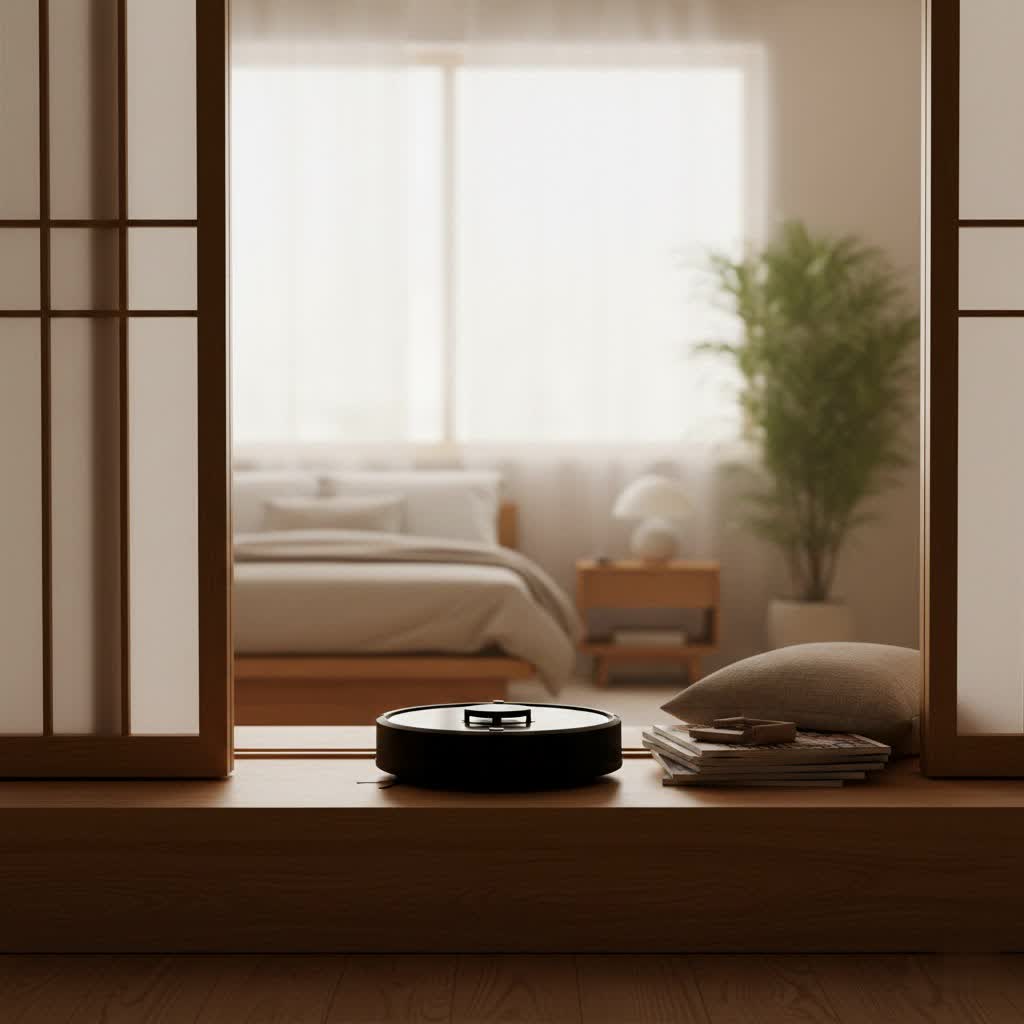
An automatic vacuum cleaner robot, often simply called a “robovac,” is an autonomous device designed to clean floors with minimal human intervention. Equipped with an array of sensors, robotic drives, and programmable controllers, these machines navigate your home, collecting dust, debris, and pet hair. Unlike traditional vacuum cleaners that require manual operation, robot vacuums handle the daily grind of floor maintenance independently, following scheduled routines or on-demand commands.
The primary benefit of integrating a robot vacuum into your home is unparalleled convenience and significant time savings. They consistently maintain cleanliness, preventing the buildup of dirt and allergens, which can reduce the frequency of demanding manual deep cleans. Furthermore, their compact, often disc-like design allows them to effortlessly glide under low-profile furniture such as beds and sofas, reaching spots that are typically difficult or uncomfortable to access with traditional vacuums. For busy individuals, families with children or pets, or anyone looking to reclaim valuable time, a robot vacuum transforms a tedious chore into an automated background task.
Popular Types of Automatic Vacuum Cleaner Robots on the Market
The robot vacuum market has diversified, offering models with various functionalities to suit different needs and budgets. Understanding these classifications can help you pinpoint the ideal device for your home.
- Standard Vacuum-Only Robots: These entry-level models focus solely on dry debris collection. They are excellent for maintaining hard floors and low-pile carpets, offering basic navigation (sometimes random patterns) and scheduled cleaning. Their primary advantage is affordability, making them a great starting point for automated cleaning.
- 2-in-1 Vacuum & Mop Hybrids: Many modern robot vacuums now combine vacuuming with wet mopping capabilities. These versatile machines can vacuum and then mop, or even perform both tasks simultaneously in a single pass. Advanced models feature auto-lifting mops that raise when detecting carpets to prevent wetting, and some even use hot water or sonic scrubbing for deeper cleaning.
- Self-Emptying Robots: A major leap in convenience, these robots automatically empty their dustbins into a larger, sealed bag or container housed in their charging dock. This feature allows for weeks, sometimes even months, of hands-free operation before you need to interact with the bin, significantly reducing maintenance frequency.
- Advanced AI & Obstacle Avoidance Robots: High-end models leverage sophisticated AI vision systems, LiDAR (Light Detection and Ranging), and cameras for superior navigation and obstacle avoidance. These robots can intelligently map your home, identify and steer clear of common household clutter like shoes, cables, and even pet waste, ensuring uninterrupted cleaning cycles. Some cutting-edge designs even incorporate robotic arms to reach into tight corners and crevices.
- Robots for Pet Owners: Designed with furry friends in mind, these robots typically boast stronger suction power, often exceeding 5000 Pa, to effectively pick up pet hair from various surfaces. Many come with tangle-free rubber brushes or special brush designs to minimize hair wrapping, ensuring consistent performance. Advanced obstacle avoidance is also crucial for navigating around pet toys and preventing unfortunate “accidents.”
Detailed Comparison Table: Best Automatic Vacuum Cleaner Robots 2024-2025
Choosing from the myriad of options can be daunting. Here’s a comparison of some highly-regarded automatic vacuum cleaner robots, highlighting their key specifications and innovative features.
| Brand | Model | Suction (Pa) | Run Time (min) | Key Features |
|---|---|---|---|---|
| Roborock | S8 MaxV Ultra | 8000+ | 180 | All-in-one Ultra Dock (auto-empty, wash & dry mop, auto-refill), extendable side brush & mop, Reactive AI 2.0 obstacle avoidance |
| Ecovacs | Deebot X8 Pro Omni | 8000+ | 120+ | Effective roller mop with self-cleaning, AI obstacle avoidance, auto-empty station, carpet detection |
| iRobot | Roomba j9+ | Strong | 75+ | P.O.O.P. (Pet Owner Official Promise) guarantee for pet waste avoidance, self-emptying, PrecisionVision Navigation |
| Dreame | L40 Ultra | High | 180 | Fully automated base station, advanced mopping system, intelligent obstacle avoidance and mapping |
| Eufy | BoostIQ RoboVac 11S Max | Adaptive | 100 | Ultra-slim design, BoostIQ™ Technology for increased suction on dirty areas, quiet operation, budget-friendly |
| Narwal | Freo Z Ultra | Strong | – | Smart dirt detection, auto-add cleaning solution, baseboard cleaning mode, self-cleaning station, excellent obstacle avoidance |
Note: Suction power and run time can vary based on cleaning mode and specific conditions.
How to Choose the Right Automatic Vacuum Cleaner Robot for Your Needs
Selecting the perfect robot vacuum requires a thoughtful assessment of your home, lifestyle, and cleaning priorities. Here are the crucial factors to consider:
- Budget: Robot vacuums range from budget-friendly models (around $200-$400) offering basic functionality to premium devices ($800-$1500+) with advanced features. Determine how much you’re willing to invest, balancing cost with desired performance and convenience.
- Home Size & Layout: For larger homes or multi-story residences, look for robots with longer battery life (120+ minutes) and a “recharge and resume” feature, which allows them to return to their dock, recharge, and pick up cleaning where they left off. Advanced navigation like LiDAR is crucial for complex layouts, enabling efficient mapping and multi-floor plans.
- Floor Types: If you have predominantly hard floors (wood, tile, laminate), most robots will perform well. For homes with carpets, especially thick or high-pile ones, prioritize models with strong suction power (5000 Pa or higher) and specialized brushes designed to agitate fibers and lift embedded dirt.
- Pets: Pet owners should seek out robots with powerful suction, tangle-free or anti-hair wrap brushes, and advanced obstacle avoidance to navigate around pet toys and avoid potential messes. Some brands even offer guarantees specifically for pet waste avoidance.
- Desired Features:
- Self-Emptying: A must-have for maximum hands-free convenience, especially for pet owners.
- Mopping: If you want a comprehensive floor cleaning solution, opt for a 2-in-1 model with effective mopping, preferably with auto-lifting mop pads for mixed flooring.
- Smart Home Integration: App control for scheduling, setting no-go zones, and real-time monitoring is standard. Voice assistant compatibility (Alexa, Google Assistant) adds another layer of convenience.
- Noise Level: While generally quieter than traditional vacuums, some models are louder than others. Look for decibel ratings (under 60 dB is considered quiet) or eco modes for quieter operation.
- Dustbin Capacity: Smaller bins require more frequent emptying, unless you have a self-emptying dock. Consider the overall debris volume in your home.
- Filter System: HEPA filters are ideal for allergy sufferers, trapping fine dust and allergens effectively.
Top 5 Automatic Vacuum Cleaner Robots Highly Recommended
Based on current market trends and user feedback, here are five standout robot vacuums that offer excellent performance across various categories:
- Roborock S8 MaxV Ultra: Often hailed as an all-in-one powerhouse, the S8 MaxV Ultra excels with its impressive suction, advanced mopping system (featuring an auto-lifting and extending mop), and sophisticated Reactive AI 2.0 obstacle avoidance. Its Ultra Dock handles everything: auto-emptying, washing and drying the mop, and refilling the water tank, offering a truly hands-off experience. It’s ideal for larger homes with mixed floor types and pet owners seeking premium convenience.
- Ecovacs Deebot X8 Pro Omni: This model stands out as an exceptional vacuum and mop hybrid. It combines robust vacuuming with an effective roller mop that cleans itself at the dock. Its AI obstacle avoidance system navigates effortlessly around furniture and household items, making it a reliable choice for maintaining pristine floors. The auto-empty and auto-refill features further enhance its self-sufficiency.
- iRobot Roomba j9+: Specifically designed with pet owners in mind, the Roomba j9+ boasts powerful suction and PrecisionVision Navigation, allowing it to avoid common obstacles, including pet waste, with a P.O.O.P. guarantee. Its self-emptying base minimizes interaction, and the intelligent mapping features ensure thorough coverage. This is a top contender for homes with pets or those who value reliable obstacle avoidance.
- Dreame L40 Ultra: The Dreame L40 Ultra is a strong performer in both vacuuming and mopping, featuring a highly automated base station that takes care of maintenance. Its intelligent navigation ensures efficient cleaning paths, and its ability to handle various floor types with its robust suction makes it a versatile choice. It offers a premium cleaning experience with a focus on comprehensive automation.
- Eufy BoostIQ RoboVac 11S Max: For those seeking excellent value, the Eufy BoostIQ RoboVac 11S Max delivers impressive cleaning performance at a more accessible price point. Its ultra-slim design allows it to easily clean under low furniture, and the BoostIQ™ Technology automatically increases suction when more power is needed. While it lacks advanced mopping or self-emptying, it’s a fantastic entry-level option for consistent daily cleaning on hard floors and low-pile carpets.
Tips for Using and Maintaining Your Automatic Vacuum Cleaner Robot to Extend Its Lifespan
To ensure your robot vacuum operates at peak performance and lasts for years, regular maintenance is key. Think of it as caring for another helpful member of your household.
-
Vệ sinh định kỳ (Regular Cleaning):
- Empty the Dustbin: If your robot doesn’t have an auto-empty dock, empty the dustbin after every cleaning cycle. Even with auto-empty systems, periodically check and clean the onboard bin manually.
- Clean Brushes: Remove the main brush roller and side brushes weekly. Use scissors or a small brush to cut and remove tangled hair, threads, and debris. Rubber brushes can often be washed with warm water and mild soap, then air-dried completely.
- Clean Filters: Tap or brush off accumulated dust from the filter weekly. If you have a washable filter, rinse it according to the manufacturer’s instructions (usually monthly) and ensure it’s completely dry before reinserting. Disposable filters should never be washed and must be replaced every 1-3 months, or as indicated by the app or manual.
- Wipe Sensors and Wheels: Use a soft, dry microfiber cloth to wipe down all sensors (cliff, anti-collision, mapping sensors) and the charging contacts on both the robot and its dock. Regularly check the wheels for trapped hair or debris and clean them to ensure smooth navigation.
- Mop Pad Care: If your robot has mopping capabilities, remove and wash the mop pads after each use. Warm water and a mild detergent are typically sufficient. Air-dry them thoroughly to prevent mildew and ensure effective mopping.
-
Bảo quản pin (Battery Care):
- Always use the original manufacturer-provided charger and dock.
- Allow the robot to complete full charging cycles. Avoid consistently interrupting charging or letting the battery completely drain, as this can degrade battery health over time.
- For optimal performance, place the charging dock in an open, accessible area away from direct sunlight or heat sources.
-
Khắc phục sự cố (Troubleshooting Common Issues):
- Reduced Suction Power: Most often caused by a full dustbin, clogged filter, or tangled brushes. Clean these components thoroughly.
- Erratic Movement or Getting Stuck: Check all sensors for obstructions or dirt. Ensure no large objects, cables, or thick rugs are impeding its path.
- Not Charging: Clean the charging contacts on both the robot and the dock. Ensure the dock is properly plugged in and the robot is correctly aligned.
- Not Starting: Verify the power switch is on and the battery is charged. A simple restart (power off, then on) can sometimes resolve minor software glitches.
Conclusion
Automatic vacuum cleaner robots have redefined home cleaning, offering unparalleled convenience and efficiency in our busy lives. From their intelligent navigation systems to advanced mopping and self-emptying capabilities, these devices are designed to keep your floors pristine with minimal effort on your part. By understanding the different types, key features, and proper maintenance, you can confidently select a robot vacuum that perfectly aligns with your specific needs and lifestyle. Investing in a quality robot vacuum isn’t just about cleaning; it’s about reclaiming your time and enjoying a consistently cleaner, more comfortable home.
What steps will you take to welcome the future of cleaning into your home?
Frequently Asked Questions
Which automatic vacuum cleaner robot is best for homes with pets?
|
Our Picks for the Best Robot Vacuum in 2026
As an Amazon Associate I earn from qualifying purchases.
|
||
| Num | Product | Action |
|---|---|---|
| 1 | eufy C10 Robot Vacuum Self Emptying, 8 Weeks Hands Free, Advanced Smart Mapping with LiDAR Navigation, 2.85-Inch Slim Design, Powerful Suction, Edge Expansion Brush for Pet Hair, Carpet Detection |

|
| 2 | Robot Vacuum and Mop Combo,Equipped with Wireless Touch Button, Vacuum Robot Vacuum Cleaner and mop Combination, Silent, Advanced Obstacle Avoidance Suitable for Home Tiles Robot Vacuum and (White) |
|
| 3 | roborock Saros 10R Robot Vacuum and Mop, 22,000 Pa Suction, Zero-Tangling, 3.14’’ Ultra Slim, FlexiArm Riser Technology for Carpet & Floor, Corner & Edge Cleaning, Self-Emptying, Hot Air Drying, Black |
|
| 4 | iRobot Roomba 105 Vac Robot Vacuum with AutoEmpty Dock - Self-Empties for 75 Days, Easy to use, Intense Power-Lifting Suction, LiDAR Navigation, Multi-Surface Cleaning, Cleans in Neat Rows |
|
| 5 | Tikom Robot Vacuum and Mop Combo, 5000Pa Robotic Vacuum Cleaner, 150 Min Max, App & Remote Control, Ideal for Hard Floor, Carpet, Pet Hair, Self-Charge(G8000 Max) |
|
| 6 | iRobot Roomba 105 Vac Robot Vacuum - Easy to use, Intense Power-Lifting Suction, LiDAR Navigation, Multi-Surface Cleaning, Cleans in Neat Rows, Self-Charging |
|
| 7 | Tikom Robot Vacuum and Mop, 6000Pa Robotic Vacuum Cleaner with Self-Emptying Base, 90 Days Capacity, LiDAR Navigation, Home Mapping, Ideal for Pet Hair, Hard Floors, Carpet (L8000 Plus) |
|
| 8 | ILIFE A30 Pro Robot Vacuum and Mop, Self Emptying Station for 60 Days, 5000Pa Suction, LiDAR Navigation, No-Go Zones, 2.4G WiFi/App/Alexa/Remote Control, Roller Brush for Carpet, Hard Floors, 110V |
|
| 9 | eufy Robot Vacuum 11S MAX, Super Thin, Powerful Suction, Quiet, Self-Charging Robotic Vacuum Cleaner, Cleans Hard Floors to Medium-Pile Carpets, Black |
|
| 10 | eufy Robot Vacuum E25, HydroJet System with Roller Mop, 20,000 Pa Turbo Suction, All-in-One Robot Vacuum and Mop Combo, Edge-to-Corner Cleaning, Zero-Tangle Design, AI Obstacle Avoidance (Upgraded) |
|
For homes with pets, look for robots with strong suction power (5000 Pa+), tangle-free rubber brushes, and advanced AI obstacle avoidance capable of recognizing and steering clear of pet waste and toys. Models like the iRobot Roomba j9+ and Roborock S8 MaxV Ultra are highly recommended due to their robust performance with pet hair and intelligent navigation features, often coming with specific guarantees for pet waste.
Can automatic vacuum cleaner robots clean multiple floor types and levels?
Yes, many modern robot vacuums are adept at cleaning multiple floor types, transitioning seamlessly between hard floors and carpets. For multi-level homes, advanced models feature multi-floor mapping capabilities, allowing them to store different floor plans. However, you’ll still need to manually move the robot between floors as they cannot climb stairs.
How often do I need to maintain my automatic vacuum cleaner robot?
Maintenance frequency depends on usage, but daily or after each use, you should empty the dustbin (if not self-emptying) and check brushes for tangles. Weekly tasks include cleaning brushes, wiping sensors, and cleaning the filter. Filters usually need replacing every 1-3 months, and deep cleaning of brushes or mop heads can be done monthly or quarterly.
Are robot vacuums worth the investment compared to traditional vacuums?
Robot vacuums serve a different, complementary purpose to traditional vacuums. While they may not replace the deep cleaning power of an upright or canister vacuum for intense messes or upholstery, they excel at daily maintenance, saving significant time and effort. For consistent tidiness with minimal intervention, their convenience often justifies the investment, especially for busy households.
Do automatic vacuum cleaner robots work in cluttered homes?
Basic robot vacuums might struggle with clutter, but advanced models with AI vision, LiDAR, and enhanced obstacle avoidance systems are designed to navigate around common household items like shoes, cables, and toys. Some even allow you to set “no-go zones” via their app to avoid specific problematic areas, making them effective even in moderately cluttered environments.
