The world of home cleaning has been revolutionized by smart technology, and at its forefront stands the robot vacuum. These intelligent devices offer a hands-free solution to daily tidying, transforming chores from tedious tasks into effortless automation. As an admin with over a decade of experience in robot vacuum technology at Reviewille.com, I’ve witnessed their remarkable evolution and understand the nuances that make each model unique. This comprehensive guide will navigate you through the intricate world of robot vacuums, helping you select the perfect automated assistant for your home.
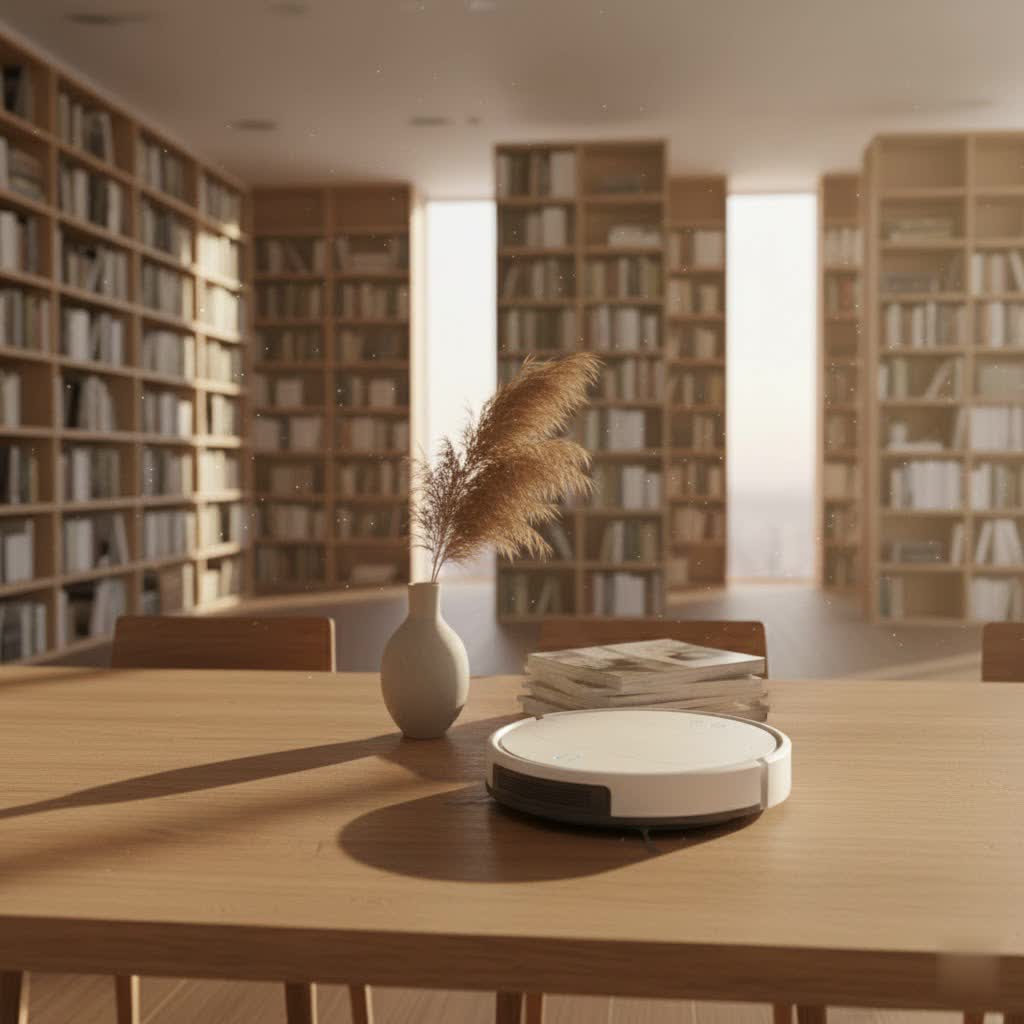
What is a Robot Vacuum? Why You Need One
A robot vacuum is an autonomous cleaning device designed to sweep, vacuum, and often mop floors with minimal human intervention. Equipped with sensors, mapping technology, and powerful suction, these machines navigate your home, systematically removing dust, dirt, and debris.
The primary benefit of integrating a robot vacuum into your daily routine is the significant time and effort it saves. Unlike traditional vacuuming that demands your physical presence, a robot vacuum can clean while you’re at work, asleep, or enjoying time with family. This convenience not only frees up your schedule but also maintains a consistently cleaner home environment. Beyond basic cleaning, many models offer advanced features like app control, scheduled cleaning, and smart home integration, allowing for truly effortless floor care.
Before diving into a purchase, consider key factors: your home’s size and layout, the types of flooring you have, whether you have pets, and your budget. These considerations will guide you toward a robot vacuum with the appropriate battery life, navigation capabilities, and specialized features to meet your specific needs.
Types of Robot Vacuums on the Market
The robot vacuum market offers a diverse range of devices, each tailored with different technologies and functionalities. Understanding these categories is crucial for making an informed decision.
Robot vacuums can be broadly classified by their navigation, cleaning functions, and intelligent features:
- Basic Models: These typically use random navigation patterns, bouncing off obstacles to cover the floor. They are budget-friendly but less efficient for larger or complex homes. They primarily focus on vacuuming.
- Mid-Range Models: Featuring more sophisticated navigation like gyroscopes or basic cameras, these robots can create simple maps of your home to clean in more systematic patterns. They often include app control for scheduling and can offer stronger suction and larger dustbins.
- Premium Models: The cutting edge of robot vacuum technology, these devices boast advanced LiDAR (laser) or vSLAM (visual simultaneous localization and mapping) navigation, creating highly accurate, editable maps of your home. They excel at obstacle avoidance, can store multiple floor plans, and come packed with smart features.
Specific functionalities also define types of robot vacuums:
- Self-Emptying Robot Vacuums: These models automatically transfer collected debris from their onboard dustbin to a larger bin in their charging dock. This convenience means you only need to empty the dock’s bin every few weeks or even months, greatly reducing hands-on maintenance. While they come with a higher price tag, the added convenience is invaluable for many users, especially those with pets or allergies.
- Robot Vacuums with Mopping Functionality (2-in-1): Many modern robot vacuums integrate mopping capabilities, allowing them to vacuum and wet-clean hard floors in a single session. Basic models may use a damp cloth, while advanced versions feature vibrating or rotating mop pads, adjustable water flow, and even self-washing and self-drying mop systems at their docking stations. Some high-end models can automatically lift their mop pads when transitioning from hard floors to carpets, preventing carpets from getting wet.
- Robot Vacuums for Homes with Pets: Pet owners face unique cleaning challenges, primarily pet hair and dander. Robot vacuums designed for pets often feature stronger suction power, specialized anti-tangle brushrolls, and high-efficiency (HEPA) filters to capture allergens. Advanced models can even detect and avoid pet waste, preventing messy accidents.
Each type offers distinct advantages, and the “best” choice depends heavily on your specific cleaning needs and lifestyle.
Detailed Comparison of Top Robot Vacuums 2024
To help you compare some of the leading models available, here’s a detailed table highlighting their key specifications and features. Prices are approximate and can vary.
| Brand | Model | Price (USD) | Suction (Pa) | Run Time (mins) | Notable Features |
|---|---|---|---|---|---|
| Roborock | Qrevo Curv | $1,200 | 18,500 | 240 | Self-empty, auto mop wash/dry/lift, obstacle avoidance, advanced mapping, dual brushroll |
| Ecovacs | Deebot X8 Pro Omni | $1,000 | 8,000 | 180 | Self-empty, auto mop wash/dry, AI obstacle avoidance, auto detergent dispenser |
| Dreame | L50 Ultra | $850 | 19,500 | 220 | Self-empty, mop wash/dry, retractable legs (thresholds), anti-tangle brush, Vormax™ suction |
| iRobot | Roomba j9+ | $900 | 1,700 | 75 | Self-empty, PrecisionVision navigation, Dirt Detect, avoids pet waste, iRobot OS |
| Shark | Matrix™ Plus 2-in-1 | $500 | (Strong) | 90 | Self-empty, 2-in-1 vacuum & mop, anti-odor technology, Matrix Clean |
Note: Suction power (Pa) ratings can vary between brands due to different measurement standards. A lower Pa rating doesn’t necessarily mean inferior cleaning if the robot has an efficient brush system and optimized airflow.
How to Choose the Right Robot Vacuum for Your Needs
Selecting the ideal robot vacuum can feel overwhelming with the myriad of options available. By focusing on your specific needs, you can narrow down the choices and find a device that perfectly complements your lifestyle.
- Budget: Determine how much you’re willing to spend. Entry-level models typically cost a few hundred dollars and offer basic vacuuming. Mid-range options provide better navigation and smart features, while premium models, often exceeding $800, come with advanced mapping, self-emptying/mopping docks, and superior obstacle avoidance. Investing more often translates to greater convenience and deeper cleaning capabilities.
- Home Size and Layout: For smaller apartments or single rooms, a robot with a shorter battery life (60-90 minutes) and simpler navigation may suffice. Larger homes or multi-level properties benefit from longer battery life (180+ minutes), “recharge and resume” functionality, and advanced mapping systems that can store multiple floor plans and navigate complex layouts efficiently.
- Floor Type:
- Hard Floors (wood, tile, laminate): Most robot vacuums perform well. Look for models with soft brushrolls to prevent scratches and good mopping capabilities if you want a complete solution.
- Carpets and Rugs: You’ll need a robot vacuum with strong suction power (at least 2500 Pa for general use, more for deep pile carpets) and effective brushrolls that can agitate carpet fibers to extract embedded dirt. Auto-boost suction for carpets is a valuable feature.
- Mixed Floors: A versatile robot that automatically detects floor types and adjusts suction or lifts its mop pads (if it’s a 2-in-1 model) is ideal.
- Pets: If you have furry friends, prioritize robot vacuums with powerful suction, tangle-free brushrolls (often rubberized), and large dustbins or self-emptying docks to handle significant amounts of pet hair. HEPA filters are also crucial for capturing pet dander and allergens. Look for models with advanced object recognition that can avoid “accidents.”
- Desired Features:
- Self-emptying: Reduces manual intervention for weeks.
- Mopping: Offers vacuum and mop functionality for hard floors.
- Smart Mapping and Navigation: LiDAR or vSLAM for efficient, systematic cleaning and virtual boundaries.
- Obstacle Avoidance: Prevents the robot from getting stuck on cables, toys, or pet waste.
- App Control & Voice Assistant Integration: For scheduling, zone cleaning, and hands-free operation.
- Quiet Operation: Important if you work from home or run the robot at night.
By carefully evaluating these aspects, you can pinpoint the robot vacuum that best aligns with your domestic needs and budget.
Top 5 Robot Vacuums for a Sparkling Home
Based on performance, features, durability, and user feedback, here are five highly-regarded robot vacuums that stand out in today’s market:
- Roborock Qrevo Curv: This premium contender consistently earns top marks for its comprehensive cleaning. It boasts an impressive 18,500 Pa of suction, dual anti-tangle brushrolls, and an advanced all-in-one docking station that not only self-empties but also washes, dries, and refills the mop pads. Its highly accurate mapping and obstacle avoidance system ensure no spot is missed, while its ability to lift mop pads on carpets makes it a true all-rounder for mixed-floor homes. The Qrevo Curv excels at both vacuuming and mopping, making it a standout choice for those seeking a truly hands-off cleaning experience.
- Ecovacs Deebot X8 Pro Omni: An excellent choice for its robust mopping and AI-powered obstacle avoidance. The X8 Pro Omni features 8,000 Pa of suction and a sophisticated Omni station that handles self-emptying, mop washing, and drying, even automatically dispensing cleaning detergent. Its AI-driven navigation and object recognition are highly effective, adeptly avoiding common household clutter. The rotating mop pads provide a thorough scrub on hard floors, tackling dried stains with ease. While its suction is strong, its mopping prowess is particularly noteworthy, making it perfect for homes with a lot of hard flooring.
- Dreame L50 Ultra: Combining powerful suction with smart features, the Dreame L50 Ultra is a strong performer, especially for pet owners. With a formidable 19,500 Pa of Vormax™ suction and a HyperStream™ Detangling DuoBrush, it handles pet hair and debris effectively without tangling. Its unique ProLeap™ system with retractable legs allows it to climb over higher thresholds (up to 2.36 inches), a feature many other robots struggle with. The auto-empty and mop wash/dry dock add to its convenience, providing a comprehensive cleaning solution. Its advanced mapping ensures efficient routes and reliable obstacle avoidance.
- iRobot Roomba j9+: The Roomba j9+ is renowned for its reliable navigation and exceptional ability to avoid common household hazards, including pet waste. Leveraging iRobot’s PrecisionVision Navigation, it learns your home’s layout, identifies objects, and suggests keep-out zones. While its stated suction power (1,700 Pa) might appear lower than some competitors, its efficient brush system and Dirt Detect technology ensure thorough cleaning, especially on carpets. The self-emptying Clean Base allows for weeks of hands-free operation, making it a dependable choice for busy households who value peace of mind.
- Shark Matrix™ Plus 2-in-1 Self-Empty: Offering excellent value, the Shark Matrix Plus 2-in-1 is a solid mid-range option for those seeking both vacuuming and mopping. It includes a self-emptying base with anti-odor technology, capable of holding debris for up to 60 days. This robot features a powerful suction that effectively tackles pet hair and general debris, along with a Matrix Clean navigation system that covers your floors in a grid pattern for thorough cleaning. While its mopping might not be as advanced as premium models, it’s a highly capable hybrid device for its price point, providing significant convenience.
> “Investing in a good robot vacuum is like having an invisible helper that keeps your home effortlessly tidy every day. It’s truly a game-changer for modern living.” – Admin, Reviewille.com
Tips for Using and Maintaining Your Robot Vacuum to Extend Its Life
To ensure your robot vacuum operates at peak performance and lasts for years, regular maintenance is essential. Simple steps can significantly prolong its lifespan and efficiency.
- Empty the Dustbin Regularly: For models without a self-emptying dock, empty the dustbin after every cleaning session. Even with a self-emptying base, ensure the disposable bag in the dock is replaced every 30-60 days, or when full. This prevents clogs and maintains suction power.
- Clean and Replace Filters: Dust filters, especially HEPA filters, can become clogged with fine particles and allergens. Clean them weekly (tap out debris) and replace them every 1-2 months, or as recommended by the manufacturer. A clean filter is crucial for air quality and suction efficiency.
- Maintain Brushes and Rollers: Hair, strings, and debris frequently tangle around brushrolls and side brushes. Inspect these weekly, remove any tangled material using the provided cleaning tool or scissors, and wipe them clean. Replace worn-out brushes every 6-12 months. Tangle-free brushes ensure optimal debris pickup and prevent strain on the motor.
- Wipe Down Sensors: Robot vacuums rely on sensors for navigation and obstacle avoidance. Dust and grime can accumulate on these, impairing performance. Gently wipe all sensors (cliff sensors, bumper sensors, charging contacts) with a dry, soft cloth every 2-4 weeks.
- Battery Care: Proper battery maintenance is key to longevity. Avoid letting the battery completely drain frequently. If storing the robot for an extended period, charge the battery to about 50% and keep it in a cool, dry place away from extreme temperatures. Most robot vacuum batteries last 2-4 years before needing replacement.
- Keep the Charging Dock Clean: Ensure the area around the charging dock is clear of obstacles, allowing the robot to return easily. Clean the charging contacts on both the robot and the dock regularly to ensure a consistent connection.
- Update Firmware and App: Manufacturers often release software updates that improve navigation, add features, or fix bugs. Keep your robot’s firmware and the accompanying app updated for the best performance.
- Prepare Your Home: Before a cleaning cycle, quickly pick up loose cables, small toys, or clothing items. This prevents the robot from getting stuck or damaging itself, improving its efficiency and extending its life.
By following these simple maintenance tips, your robot vacuum will remain a reliable cleaning partner for many years, keeping your home effortlessly pristine.
Conclusion
Robot vacuums have undoubtedly transformed home cleaning, offering unparalleled convenience and efficiency. From basic models to sophisticated 2-in-1 vacuum-and-mop hybrids with advanced self-maintenance docks, there’s a perfect robot vacuum out there for every home and budget. Key factors like suction power, navigation technology, battery life, and specialized features for pets or specific floor types play a crucial role in your decision-making process. By understanding these nuances and committing to simple maintenance routines, you can ensure your automated cleaning companion provides a spotless home for years to come.
Are you ready to embrace the future of cleaning and reclaim your valuable time?
Frequently Asked Questions
Which robot vacuum is best for homes with babies or young children?
|
Our Picks for the Best Robot Vacuum in 2026
As an Amazon Associate I earn from qualifying purchases.
|
||
| Num | Product | Action |
|---|---|---|
| 1 | eufy Robot Vacuum E25, HydroJet System with Roller Mop, 20,000 Pa Turbo Suction, All-in-One Robot Vacuum and Mop Combo, Edge-to-Corner Cleaning, Zero-Tangle Design, AI Obstacle Avoidance (Upgraded) |

|
| 2 | Tikom Robot Vacuum and Mop, 6000Pa Robotic Vacuum Cleaner with Self-Emptying Base, 90 Days Capacity, LiDAR Navigation, Home Mapping, Ideal for Pet Hair, Hard Floors, Carpet (L8000 Plus) |
|
| 3 | iRobot Roomba 105 Vac Robot Vacuum with AutoEmpty Dock - Self-Empties for 75 Days, Easy to use, Intense Power-Lifting Suction, LiDAR Navigation, Multi-Surface Cleaning, Cleans in Neat Rows |
|
| 4 | eufy Robot Vacuum 11S MAX, Super Thin, Powerful Suction, Quiet, Self-Charging Robotic Vacuum Cleaner, Cleans Hard Floors to Medium-Pile Carpets, Black |
|
| 5 | roborock Saros 10R Robot Vacuum and Mop, 22,000 Pa Suction, Zero-Tangling, 3.14’’ Ultra Slim, FlexiArm Riser Technology for Carpet & Floor, Corner & Edge Cleaning, Self-Emptying, Hot Air Drying, Black |
|
| 6 | ILIFE A30 Pro Robot Vacuum and Mop, Self Emptying Station for 60 Days, 5000Pa Suction, LiDAR Navigation, No-Go Zones, 2.4G WiFi/App/Alexa/Remote Control, Roller Brush for Carpet, Hard Floors, 110V |
|
| 7 | eufy C10 Robot Vacuum Self Emptying, 8 Weeks Hands Free, Advanced Smart Mapping with LiDAR Navigation, 2.85-Inch Slim Design, Powerful Suction, Edge Expansion Brush for Pet Hair, Carpet Detection |
|
| 8 | Tikom Robot Vacuum and Mop Combo, 5000Pa Robotic Vacuum Cleaner, 150 Min Max, App & Remote Control, Ideal for Hard Floor, Carpet, Pet Hair, Self-Charge(G8000 Max) |
|
| 9 | iRobot Roomba 105 Vac Robot Vacuum - Easy to use, Intense Power-Lifting Suction, LiDAR Navigation, Multi-Surface Cleaning, Cleans in Neat Rows, Self-Charging |
|
| 10 | Robot Vacuum and Mop Combo,Equipped with Wireless Touch Button, Vacuum Robot Vacuum Cleaner and mop Combination, Silent, Advanced Obstacle Avoidance Suitable for Home Tiles Robot Vacuum and (White) |
|
For homes with babies or young children, prioritize robot vacuums with strong obstacle avoidance to safely navigate around toys and crawling spaces. Features like virtual barriers to define “no-go zones” for play areas and a quiet mode for undisturbed naps are highly beneficial. Look for models with good filtration systems to capture dust and allergens, creating a healthier environment.
How often should I run my robot vacuum?
The ideal frequency depends on your home’s size, foot traffic, and whether you have pets. For general maintenance, running your robot vacuum daily or every other day is often recommended. If you have pets or allergies, daily cleaning can significantly help manage pet hair and dander.
Can robot vacuums replace traditional vacuum cleaners?
For daily maintenance and light cleaning, robot vacuums are highly effective. However, for deep cleaning thick carpets, reaching stairs, or tackling heavy spills, a traditional upright or stick vacuum may still be necessary to supplement your robot’s efforts. Many households find a combination of both provides the best overall cleanliness.
Are robot vacuums good for pet hair?
Absolutely! Many robot vacuums are specifically designed with pet owners in mind. Look for models featuring high suction power, anti-tangle brushrolls (often rubberized), and efficient HEPA filters to effectively pick up pet hair and dander, preventing buildup and reducing allergens.
What’s the typical lifespan of a robot vacuum?
A well-maintained robot vacuum typically lasts between 4 to 7 years. The lifespan can vary based on brand quality, frequency of use, and adherence to maintenance schedules, such as regular cleaning of brushes and filters, and proper battery care.
