Imagine a world where your carpets are consistently clean, free from embedded dirt and pet hair, without you ever lifting a finger. While traditional vacuuming can be a chore, modern robot vacuums have evolved significantly, offering intelligent solutions to tackle even the most challenging carpeted surfaces. From plush high-pile rugs to intricate low-pile designs, choosing the right robot vacuum can transform your home cleaning routine, saving you time and effort. This comprehensive guide will navigate the intricacies of selecting, using, and maintaining a robot vacuum specifically designed for carpets, ensuring you find the perfect automated helper for your home.
What is a Robot Vacuum for Carpet? Why Do You Need One?
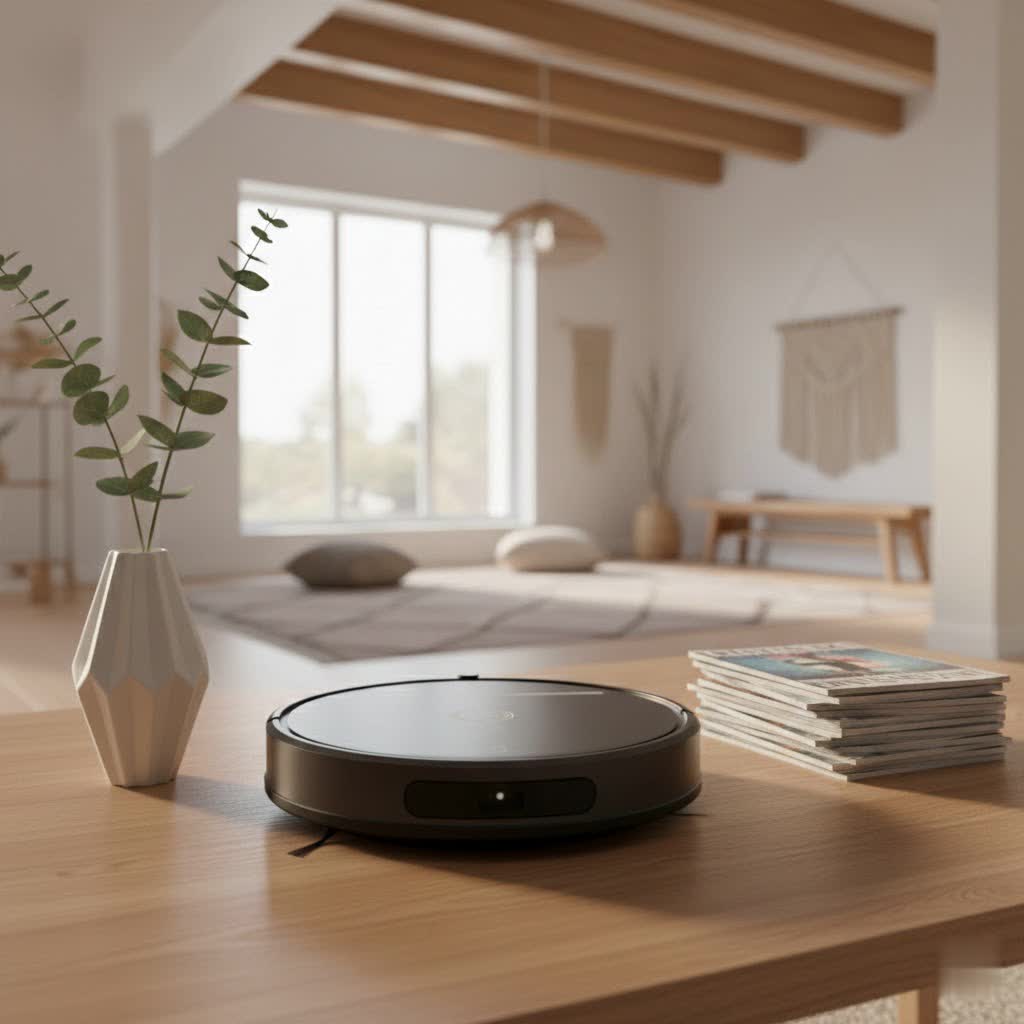
A robot vacuum is an autonomous cleaning device engineered to navigate and clean your floors automatically. A “robot vacuum for carpet” is a specialized version, built with enhanced features to effectively deep-clean fabric surfaces that often trap more dirt and debris than hard floors. These devices are equipped to handle various carpet types, from delicate rugs to thick, high-pile carpeting.
The primary benefit of integrating a robot vacuum into your home is the unparalleled convenience it offers. Instead of manually vacuuming multiple times a week, a robot vacuum can maintain cleanliness with scheduled runs, giving you back precious time. For homes with pets, children, or high foot traffic, a carpet-friendly robot vacuum means consistently clean floors and reduced allergens, contributing to a healthier living environment. The sheer consistency of daily vacuuming, even if less powerful than a manual deep clean, significantly reduces the buildup of dust, dander, and dirt over time.
Before diving into specific models, consider factors such as your carpet’s pile height, the presence of pets, your budget, and desired smart features. These considerations will guide you toward a robot vacuum that not only meets but exceeds your carpet cleaning expectations.
Types of Robot Vacuums Optimized for Carpets
Not all robot vacuums are created equal, especially when it comes to carpet cleaning. Their effectiveness hinges on several key design elements and technologies. Understanding these types will help you identify what matters most for your specific carpet needs.
Robot vacuums can be broadly categorized by their primary carpet-centric features:
- High-Suction Power Vacuums: These models prioritize raw suction power, measured in Pascals (Pa), to pull deeply embedded dirt, dust, and pet hair from carpet fibers. For medium to high-pile carpets, look for vacuums offering at least 5,000 Pa, with premium models boasting 10,000 Pa or more for exceptional deep cleaning.
- Pros: Excellent for stubborn dirt, pet hair, and thicker carpets.
- Cons: Can be louder at maximum settings, often consume more battery power.
- Advanced Brush System Vacuums: The brushroll is crucial for agitating carpet fibers and lifting debris. Many top-tier robot vacuums feature:
- Dual Rubber Brushrolls: These are highly effective for carpets, as they agitate deeply without tangling with long hair, making them ideal for pet owners. They are also easier to clean.
- Floating Brush Systems: These brushes automatically adjust their height to maintain optimal contact with varying carpet pile heights, ensuring consistent cleaning performance across different rug types.
- Pros: Superior hair pickup, less tangling, better agitation for deep cleaning.
- Cons: Some specialized brushes might be more expensive to replace.
- Hybrid Vacuum-Mop Combos with Smart Carpet Detection: These versatile robots offer both vacuuming and mopping capabilities. For carpeted homes, the critical feature is “mop lifting” or “carpet avoidance” technology. This allows the robot to automatically lift its mop pads when it detects carpet or avoid carpeted zones entirely during mopping cycles, preventing your rugs from getting wet.
- Pros: All-in-one cleaning solution for mixed flooring, intelligent protection for carpets.
- Cons: Can be pricier, mop pads still need manual cleaning/replacement for optimal hygiene.
- Threshold-Climbing & Navigation Masters: Carpets, especially those with thick padding or distinct edges, can create “thresholds” that weaker robots struggle to climb. Advanced models come with larger wheels or specialized climbing systems (e.g., up to 2.36 inches or 6 cm) and sophisticated LiDAR navigation to map your home precisely and navigate seamlessly over these obstacles without getting stuck.
- Pros: Smooth transition between floor types, less intervention needed, comprehensive coverage.
- Cons: High-end navigation features increase the overall cost.
Robot vacuums designed for homes with pets often combine powerful suction, dual rubber brushrolls, and advanced filtration (like HEPA filters) to effectively capture pet dander and allergens, making them a significant advantage for allergy sufferers.
Detailed Comparison Table: Best Robot Vacuums for Carpet
Here’s a comparison of some of the leading robot vacuums known for their exceptional carpet cleaning capabilities, featuring data from recent years (2024-2026 models):
| Brand | Model | Suction (Pa) | Runtime (Min) | Key Carpet Features | Price Range |
|---|---|---|---|---|---|
| Dreame | X50 Ultra | 20,000 – 30,000 | 220+ | Twin Rubber Brushrolls, ProLeap™ 2.36″ Climbing, Auto Mop Lift, Self-Emptying | Premium |
| Roborock | Saros 10R / S8 MaxV Ultra | 20,000 – 22,000 | 180+ | Dual Rubber Rollers, Carpet Boost, Auto Mop Lift, Multi-Pass Cleaning | Premium |
| Ecovacs | Deebot X8 Pro Omni | 18,000 | 250+ | Auto Carpet Recognition, Floating Brush, High Mop Lift, Self-Emptying | Upper-Mid |
| Shark | AI Ultra (AV2501AE/S) | 5,000 – 8,000 | 120 | PowerFins Brushroll, Lidar Navigation, Self-Emptying | Mid-Range |
| Eufy | L60 Robot Vacuum | 5,000 | 120 | BoostIQ (Carpet Boost), Strong Suction, Quiet Operation | Budget-Mid |
Note: Prices are qualitative and can vary based on retailer and promotions.
How to Choose the Right Robot Vacuum for Your Carpet Needs
Selecting the perfect robot vacuum involves a careful assessment of your specific environment and priorities.
- Budget: Robot vacuums for carpets range from budget-friendly options to high-end powerhouses. Determine how much you’re willing to invest, keeping in mind that higher prices often correlate with stronger suction, more advanced navigation, and additional convenience features like self-emptying docks.
- Carpet Type:
- Low-Pile Carpets: Most robot vacuums can handle low-pile carpets and area rugs effectively. Look for adaptive suction and decent brushrolls.
- Medium to High-Pile Carpets: These require significant suction power (5,000 Pa and above) and robust brush systems (preferably dual rubber brushrolls) to dislodge embedded dirt. Good climbing ability is also essential to navigate onto thicker rugs.
- Shag Carpets: These are the most challenging. You’ll need premium suction (10,000 Pa+), high clearance, and anti-tangle brush designs. Some robots might struggle with very deep shag.
- Pet Ownership: If you have pets that shed, prioritize models with strong suction, tangle-resistant rubber brushrolls (or dual brushrolls), and HEPA filtration to manage pet hair and dander effectively. Self-emptying docks are a game-changer for pet owners, as they significantly reduce the frequency of manual bin emptying.
- Desired Features:
- Self-Emptying: A must-have for hands-off convenience, allowing the robot to deposit collected dirt into a larger bag in its dock for weeks of autonomous cleaning.
- Mopping Functionality (for mixed floors): If you have both carpets and hard floors, a hybrid model with automatic mop lifting or carpet avoidance technology is crucial to prevent wetting your rugs.
- Smart Navigation & Mapping: LiDAR and AI vision systems ensure efficient, systematic cleaning paths, better obstacle avoidance (including cords and pet waste), and allow you to set virtual no-go zones or specific cleaning areas via an app.
- Runtime: Ensure the battery life is sufficient to clean your carpeted areas on a single charge. Longer runtimes are beneficial for larger homes or those with extensive carpeting.
Choosing wisely means marrying your home’s unique cleaning demands with the right robotic innovations.
Top 5 Robot Vacuums for Carpet
Let’s delve deeper into some of the most highly-regarded robot vacuums that excel at keeping your carpets spotless.
1. Dreame X50 Ultra
|
Our Picks for the Best Robot Vacuum in 2026
As an Amazon Associate I earn from qualifying purchases.
|
||
| Num | Product | Action |
|---|---|---|
| 1 | eufy C10 Robot Vacuum Self Emptying, 8 Weeks Hands Free, Advanced Smart Mapping with LiDAR Navigation, 2.85-Inch Slim Design, Powerful Suction, Edge Expansion Brush for Pet Hair, Carpet Detection |

|
| 2 | Tikom Robot Vacuum and Mop, 6000Pa Robotic Vacuum Cleaner with Self-Emptying Base, 90 Days Capacity, LiDAR Navigation, Home Mapping, Ideal for Pet Hair, Hard Floors, Carpet (L8000 Plus) |
|
| 3 | eufy Robot Vacuum E25, HydroJet System with Roller Mop, 20,000 Pa Turbo Suction, All-in-One Robot Vacuum and Mop Combo, Edge-to-Corner Cleaning, Zero-Tangle Design, AI Obstacle Avoidance (Upgraded) |
|
| 4 | eufy Robot Vacuum 11S MAX, Super Thin, Powerful Suction, Quiet, Self-Charging Robotic Vacuum Cleaner, Cleans Hard Floors to Medium-Pile Carpets, Black |
|
| 5 | ILIFE A30 Pro Robot Vacuum and Mop, Self Emptying Station for 60 Days, 5000Pa Suction, LiDAR Navigation, No-Go Zones, 2.4G WiFi/App/Alexa/Remote Control, Roller Brush for Carpet, Hard Floors, 110V |
|
| 6 | iRobot Roomba 105 Vac Robot Vacuum - Easy to use, Intense Power-Lifting Suction, LiDAR Navigation, Multi-Surface Cleaning, Cleans in Neat Rows, Self-Charging |
|
| 7 | Tikom Robot Vacuum and Mop Combo, 5000Pa Robotic Vacuum Cleaner, 150 Min Max, App & Remote Control, Ideal for Hard Floor, Carpet, Pet Hair, Self-Charge(G8000 Max) |
|
| 8 | roborock Saros 10R Robot Vacuum and Mop, 22,000 Pa Suction, Zero-Tangling, 3.14’’ Ultra Slim, FlexiArm Riser Technology for Carpet & Floor, Corner & Edge Cleaning, Self-Emptying, Hot Air Drying, Black |
|
| 9 | iRobot Roomba 105 Vac Robot Vacuum with AutoEmpty Dock - Self-Empties for 75 Days, Easy to use, Intense Power-Lifting Suction, LiDAR Navigation, Multi-Surface Cleaning, Cleans in Neat Rows |
|
| 10 | Robot Vacuum and Mop Combo,Equipped with Wireless Touch Button, Vacuum Robot Vacuum Cleaner and mop Combination, Silent, Advanced Obstacle Avoidance Suitable for Home Tiles Robot Vacuum and (White) |
|
The Dreame X50 Ultra stands out as a top performer for carpet cleaning, boasting an impressive suction power often reaching up to 30,000 Pa in its latest iterations. Its twin counter-rotating rubber brushrolls are designed to agitate carpet fibers deeply, effectively lifting large debris, fine dust, and pet hair. This model also features exceptional threshold-climbing capabilities, navigating over steps up to 2.36 inches (6 cm) with ease. For homes with mixed flooring, its automatic mop-lifting function ensures carpets remain dry during mopping cycles. The X50 Ultra’s advanced obstacle avoidance and precise LiDAR navigation make it a truly intelligent and efficient cleaner.
2. Roborock Saros 10R / S8 MaxV Ultra
Roborock’s premium offerings, like the Saros 10R and S8 MaxV Ultra, are renowned for their powerful suction (up to 22,000 Pa) and innovative dual rubber brush systems. These robots come equipped with “Carpet Boost” technology, automatically increasing suction when they detect carpet. Their sonic mopping and auto-lift mop pads ensure that carpets are vacuumed thoroughly without any dampness. With multi-pass cleaning modes, they provide deep, consistent coverage, making them excellent choices for heavily carpeted homes or those with shedding pets.
3. Ecovacs Deebot X8 Pro Omni
The Ecovacs Deebot X8 Pro Omni offers robust carpet cleaning performance with up to 18,000 Pa of suction and a floating brush system that adapts to different carpet heights. This model excels at pet hair removal and offers advanced carpet recognition, allowing it to adjust cleaning settings automatically. Its sophisticated Omni station provides a truly hands-off experience with self-emptying, automatic mop washing with hot water, and hot air drying for the mop pads.
4. Shark AI Ultra (AV2501AE/S)
A mid-range powerhouse, the Shark AI Ultra is praised for its better-than-average carpet cleaning performance and premium features at a competitive price. It uses a PowerFins brushroll designed for deep carpet agitation and excellent pet hair pickup. With precise LiDAR navigation, it systematically cleans room by room, avoiding obstacles. The self-emptying base adds significant convenience, making it a solid choice for busy households with carpets.
5. Eufy L60 Robot Vacuum
For those seeking a strong performer without the premium price tag, the Eufy L60 offers excellent value. With 5,000 Pa of suction and “BoostIQ” technology, it automatically increases power when it detects carpet, ensuring thorough cleaning. It’s known for its quiet operation and efficient navigation, making it a great option for apartments or smaller homes with low to medium-pile carpets. While it might not have all the bells and whistles of flagship models, its core carpet cleaning capability is impressive for its price point.
Tips for Using and Maintaining Your Robot Vacuum to Extend Its Life
To maximize your robot vacuum’s performance and longevity on carpets, follow these expert tips:
- Activate Carpet Boost and Deep Clean Modes: Most carpet-optimized robots have settings like “Carpet Boost” to automatically increase suction on carpet. For high-traffic or heavily soiled areas, enable “Multi-Pass” or “Deep Clean” modes via the app to ensure the robot makes multiple passes, providing a more thorough clean.
- Prioritize Max Suction for Carpeted Zones: For dedicated carpet cleaning sessions, especially in rooms with thicker rugs, set the robot to run at maximum suction. While noisier, the extra power helps dislodge deeply embedded dirt and dander.
- Manage Hybrid Mop-Vacuums Carefully: If your robot has a mopping function, ensure “Mop on Carpet = Off” or “Mop Lift = On” in the settings. This prevents damp pads from dragging across and potentially soaking your carpets. Many advanced models will automatically lift their mop pads, but it’s always wise to double-check.
- Prep Your Carpeted Areas: Before a cleaning cycle, remove any small obstacles like loose cords, toys, or clothing. For rugs with fringes, tuck them underneath to prevent them from getting tangled in the brushroll. Non-slip pads can also prevent lighter rugs from shifting during cleaning.
- Regular Brushroll Cleaning: Carpets, especially those with pet hair, can cause hair and debris to wrap around brushrolls. Regularly inspect and clean the brushrolls (and side brushes) using the included cleaning tool to maintain optimal performance. Rubber brushrolls are generally easier to detangle than bristle brushes.
- Empty Dustbin and Clean Filters Frequently: Carpet cleaning fills the dustbin faster than hard floor cleaning. Empty the dustbin after every few runs, and routinely clean or replace the HEPA filters to maintain strong suction and prevent dust re-emission.
- Maintain Battery Health: Charge your robot vacuum as recommended by the manufacturer. Avoid letting the battery completely drain for extended periods, as this can reduce its overall lifespan.
> “Investing in a robot vacuum capable of handling carpets has been a game-changer. The consistent daily cleaning, especially with pets, keeps my home feeling fresh without the daily grind of manual vacuuming.” – Sarah L., Robot Vacuum Owner
Conclusion
The evolution of robot vacuum technology has made these smart devices invaluable allies in maintaining a pristine home, particularly for those with carpets. From powerful suction and specialized brushrolls to intelligent navigation and mop-lifting capabilities, modern robot vacuums are designed to tackle the unique challenges posed by various carpet types. By carefully considering your specific needs—such as carpet pile height, presence of pets, and desired smart features—you can select a model that provides consistent, efficient cleaning. Embrace the convenience and enjoy cleaner carpets with the perfect robot vacuum.
What kind of carpet cleaning challenges are you hoping a robot vacuum can solve for you?
Frequently Asked Questions
Which robot vacuum is best for high-pile carpets?
For high-pile carpets, look for robot vacuums with exceptional suction power (10,000 Pa or higher is ideal), robust dual rubber brushrolls, and advanced climbing capabilities. Models like the Dreame X50 Ultra or Roborock Saros 10R are frequently recommended for their ability to deep-clean and navigate thick carpets effectively.
Can robot vacuums damage carpets?
No, most modern robot vacuums are designed with carpet-friendly features to prevent damage. They often use soft rubberized brushes and adjust suction power to avoid harming fibers. However, ensure that hybrid vacuum-mop models have a mop-lifting or carpet-avoidance feature to prevent wetting your carpets, which could cause damage or mildew over time.
How often should a robot vacuum clean carpets?
For optimal carpet cleanliness, especially in homes with pets or heavy foot traffic, running your robot vacuum daily is highly beneficial. This consistent, light cleaning prevents the deep buildup of dirt and allergens. For deep cleaning, you can schedule weekly runs using a “Max” suction or “Deep Clean” mode.
Do robot vacuums work on dark-colored carpets?
Some older or less sophisticated robot vacuums might struggle with very dark or patterned carpets. Their cliff sensors can sometimes mistake dark surfaces for drop-offs, causing them to avoid the area. However, many newer models with advanced navigation (like LiDAR and AI vision) are designed to accurately differentiate between carpet and cliffs, allowing them to clean dark carpets without issue.
