The dream of a sparkling clean home without lifting a finger is increasingly within reach, thanks to advancements in robot vacuum technology. Yet, with countless models flooding the market, how do you discern what genuinely works from mere marketing hype? This is where trusted reviewers like Wirecutter, known for their meticulous testing and pragmatic recommendations, become invaluable. They cut through the noise, offering insights into which robot vacuums deliver real value and performance.
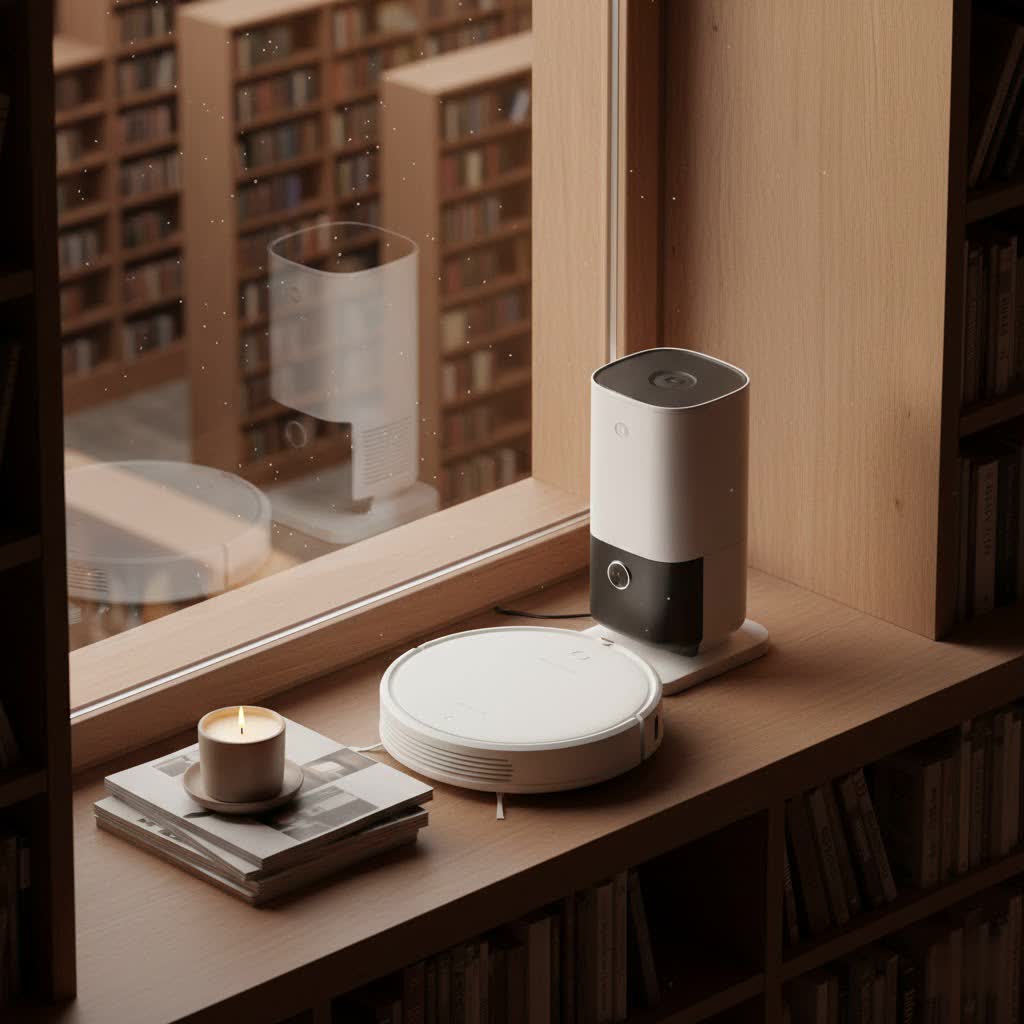
What is a Robot Vacuum and Why Consider Wirecutter’s View?
|
Our Picks for the Best Robot Vacuum in 2026
As an Amazon Associate I earn from qualifying purchases.
|
||
| Num | Product | Action |
|---|---|---|
| 1 | Robot Vacuum and Mop Combo,Equipped with Wireless Touch Button, Vacuum Robot Vacuum Cleaner and mop Combination, Silent, Advanced Obstacle Avoidance Suitable for Home Tiles Robot Vacuum and (White) |

|
| 2 | iRobot Roomba 105 Vac Robot Vacuum - Easy to use, Intense Power-Lifting Suction, LiDAR Navigation, Multi-Surface Cleaning, Cleans in Neat Rows, Self-Charging |
|
| 3 | eufy C10 Robot Vacuum Self Emptying, 8 Weeks Hands Free, Advanced Smart Mapping with LiDAR Navigation, 2.85-Inch Slim Design, Powerful Suction, Edge Expansion Brush for Pet Hair, Carpet Detection |
|
| 4 | Tikom Robot Vacuum and Mop, 6000Pa Robotic Vacuum Cleaner with Self-Emptying Base, 90 Days Capacity, LiDAR Navigation, Home Mapping, Ideal for Pet Hair, Hard Floors, Carpet (L8000 Plus) |
|
| 5 | roborock Saros 10R Robot Vacuum and Mop, 22,000 Pa Suction, Zero-Tangling, 3.14’’ Ultra Slim, FlexiArm Riser Technology for Carpet & Floor, Corner & Edge Cleaning, Self-Emptying, Hot Air Drying, Black |
|
| 6 | ILIFE A30 Pro Robot Vacuum and Mop, Self Emptying Station for 60 Days, 5000Pa Suction, LiDAR Navigation, No-Go Zones, 2.4G WiFi/App/Alexa/Remote Control, Roller Brush for Carpet, Hard Floors, 110V |
|
| 7 | Tikom Robot Vacuum and Mop Combo, 5000Pa Robotic Vacuum Cleaner, 150 Min Max, App & Remote Control, Ideal for Hard Floor, Carpet, Pet Hair, Self-Charge(G8000 Max) |
|
| 8 | iRobot Roomba 105 Vac Robot Vacuum with AutoEmpty Dock - Self-Empties for 75 Days, Easy to use, Intense Power-Lifting Suction, LiDAR Navigation, Multi-Surface Cleaning, Cleans in Neat Rows |
|
| 9 | eufy Robot Vacuum E25, HydroJet System with Roller Mop, 20,000 Pa Turbo Suction, All-in-One Robot Vacuum and Mop Combo, Edge-to-Corner Cleaning, Zero-Tangle Design, AI Obstacle Avoidance (Upgraded) |
|
| 10 | eufy Robot Vacuum 11S MAX, Super Thin, Powerful Suction, Quiet, Self-Charging Robotic Vacuum Cleaner, Cleans Hard Floors to Medium-Pile Carpets, Black |
|
A robot vacuum is an autonomous cleaning device designed to navigate your home, collecting dust, dirt, and debris from various floor types. These smart appliances offer the significant benefit of automating a routine chore, freeing up your time and maintaining a consistently cleaner living space. Compared to traditional vacuuming, a robot vacuum provides convenience, daily upkeep, and can reach under furniture that might otherwise be neglected. However, understanding their capabilities and limitations is crucial for managing expectations. Wirecutter, a product review website from The New York Times, has earned a reputation for its rigorous, hands-on testing and unbiased advice, making their insights a benchmark for many consumers seeking reliable product recommendations in the smart home category.
Wirecutter’s Philosophy on Robot Vacuums: Expectations vs. Reality
Wirecutter approaches robot vacuums with a pragmatic view, emphasizing that while these devices are excellent for routine, midweek cleanups, they are generally not a full replacement for a traditional, corded vacuum, especially when it comes to deep cleaning rugs and carpets. Their testing often highlights common challenges, such as robot vacuums getting tangled in cords, trapped in tight spaces, or occasionally missing patches of dirt.
A core aspect of Wirecutter’s evaluation is focusing on practical performance over an abundance of features. They contend that the strongest robot vacuums still don’t match the suction power of an $80 plug-in vacuum, and excessive suction in a robot can negatively impact battery life, leading to shorter cleaning sessions. This perspective guides users to set realistic expectations, understanding that a robot vacuum’s primary role is consistent maintenance, not an exhaustive deep clean.
Differentiating Robot Vacuums: Cheap vs. Expensive According to Wirecutter
Wirecutter’s analysis frequently distinguishes between more affordable and high-end robot vacuum models, primarily based on their navigation capabilities and cleaning effectiveness.
Cheaper robot vacuums often employ “bump-and-run” navigation, moving in a somewhat random pattern until they encounter an obstacle, then changing direction. While less efficient, this method can still be effective for spaces under 1,000 square feet, especially on bare floors or short carpets for picking up visible debris like crumbs and pet hair.
More expensive models typically feature advanced mapping navigation, allowing them to clean in systematic patterns, cover areas more thoroughly, and avoid obstacles more intelligently. These premium robots also tend to offer superior suction power and more effective brush rolls, making them better suited for thicker carpets and extracting deeply embedded dust and pet hair from fabric yarns.
In essence, Wirecutter suggests that cheaper robots are a good fit for smaller homes with mostly bare floors and perhaps a few rugs, possibly with some pets. Conversely, expensive robots are better suited for larger homes, those with thicker rugs, and more pets, or for individuals who might find the less efficient navigation of budget models frustrating.
Wirecutter’s Stance on Robot Vacuum-Mop Combos
Wirecutter has historically expressed reservations about robot vacuum-mop combination units. Their perspective, as frequently discussed and cited by users, suggests that these hybrid devices often require too much user intervention and do not perform either vacuuming or mopping tasks particularly well. They highlight that dedicated manual mops are often “infinitely more effective” than robot mop functions.
The argument is that these combo units represent a compromise. A robot designed for vacuuming can fully optimize its space for powerful suction and a wide brush roll, while a dedicated mopping robot can carry larger water tanks and employ more effective cleaning mechanisms. Combining both functions into one device often means sacrifices in performance for either task. Some Reddit users, however, disagree with this assessment, arguing that newer hybrid models have significantly improved and offer a “good enough” solution for routine maintenance, even if they don’t replace deeper manual cleaning. Despite these evolving user opinions, Wirecutter’s general advice has leaned towards recommending separate, specialized devices for optimal cleaning results.
Notable Wirecutter Robot Vacuum Mentions
While direct access to Wirecutter’s most current full review articles is restricted, discussions among robot vacuum enthusiasts frequently reference specific models that Wirecutter has either recommended or evaluated.
- Roborock S7 Max Ultra: This model has been noted by some users as receiving a “top spot” in Wirecutter’s (or NY Times Wirecutter magazine’s) recommendations, suggesting its strong performance in both vacuuming and mopping capabilities, despite Wirecutter’s general skepticism towards combo units.
- Eufy RoboVac 11S Max: Often cited as a “budget pick” by Wirecutter, this model appeals to those looking for a basic yet effective robot vacuum at an affordable price point, typically ranging from $140-$150.
- iRobot Roomba i3 EVO: This Roomba model has been mentioned as a “perfect lazy person robot vacuum” by Wirecutter, likely praised for its balance of automated convenience and reliable cleaning performance [2, previous search].
These examples reflect Wirecutter’s tendency to recommend both premium and budget-friendly options, ensuring a solution for various consumer needs and preferences.
How to Choose the Right Robot Vacuum, Wirecutter-Style
Choosing a robot vacuum that genuinely meets your needs, aligned with Wirecutter’s practical approach, involves careful consideration of several factors:
- Budget: Determine your spending limit. More affordable models are suitable for basic cleanup in smaller, less complex spaces, while higher budgets unlock advanced navigation, stronger suction, and smart features.
- Home Size & Layout: For larger homes or those with multiple rooms and intricate layouts, a robot with advanced mapping and navigation (like Lidar or vSLAM) is crucial for efficient and thorough cleaning. Smaller apartments might suffice with a simpler, bump-and-run model.
- Floor Types: Consider if you have mostly hard floors, low-pile carpets, high-pile rugs, or a mix. Robots vary significantly in their effectiveness across different surfaces. Models with stronger suction and specialized brush rolls are better for carpets.
- Pet Ownership: Homes with pets require robot vacuums with powerful suction, anti-tangle brush systems, and often larger dustbins or self-emptying docks to manage pet hair effectively.
- Desired Features: Beyond basic vacuuming, decide which smart features are essential. This could include self-emptying dustbins, integrated mopping (if you’re willing to accept the compromises Wirecutter notes), app control, virtual boundaries, or voice assistant compatibility.
By systematically evaluating these aspects, you can align your choice with Wirecutter’s emphasis on practical utility and avoid overspending on features you don’t need.
Maintenance Tips for Your Robot Vacuum to Extend Its Lifespan
Proper maintenance is key to ensuring your robot vacuum remains efficient and has a long operational life. Neglecting these simple steps can lead to decreased performance and premature wear.
- Regular Dustbin Emptying: Empty the dustbin after every few cleaning cycles, or daily if you have pets or a large home. Many modern robots feature self-emptying docks, reducing this manual task for weeks at a time.
- Clean Brushes and Filters: Remove and clean the main brush and side brushes regularly. Hair and debris can easily get tangled, reducing cleaning effectiveness. Tap out or rinse (if washable) the HEPA filter to maintain optimal suction and air quality. Replace filters every 1-3 months, depending on usage.
- Wipe Sensors: Use a clean, dry cloth or cotton swab to wipe down the robot’s sensors (cliff sensors, wall sensors, charging contacts). Dust buildup can impair navigation and charging.
- Battery Care: Follow manufacturer guidelines for battery charging. Avoid letting the battery completely drain for extended periods. Most robots are designed to return to their charging base automatically.
- Clear Obstacles: Before running the robot, clear small obstacles like cables, shoelaces, and small toys that could tangle the brushes or trap the robot.
These proactive maintenance habits will keep your robot vacuum performing at its best, extending its overall lifespan.
Conclusion
Wirecutter’s approach to robot vacuums underscores the importance of realistic expectations and matching features to genuine needs. While these automated cleaners offer immense convenience for daily tidiness, they are best viewed as complements to traditional cleaning methods rather than complete replacements. By understanding the distinctions between basic and advanced models, acknowledging the trade-offs of hybrid units, and prioritizing practical performance, consumers can make informed decisions. The ideal robot vacuum isn’t necessarily the most expensive or feature-rich, but rather the one that seamlessly integrates into your lifestyle, providing consistent cleanliness without adding to your household stress.
What features do you value most in a robot vacuum, and how do they align with a pragmatic approach to home cleaning?
Frequently Asked Questions
What is Wirecutter’s overall take on robot vacuums?
Wirecutter generally views robot vacuums as excellent tools for maintaining daily cleanliness and convenience, but not as full replacements for traditional vacuum cleaners, especially for deep cleaning carpets. They emphasize setting realistic expectations regarding performance and limitations.
Does Wirecutter recommend robot vacuum and mop combos?
Wirecutter has historically expressed skepticism about robot vacuum and mop combo units, often advising against them. They suggest these hybrids frequently require too much user intervention and do not perform either task as effectively as dedicated devices.
What are some of Wirecutter’s top robot vacuum picks?
Based on user discussions referencing Wirecutter’s reviews, the Roborock S7 Max Ultra has been mentioned as a top performer, while the Eufy RoboVac 11S Max is a noted budget-friendly option. The iRobot Roomba i3 EVO has also been highlighted for its practical convenience [4, 2 from previous search].
Is a cheap robot vacuum worth it, according to Wirecutter?
Yes, Wirecutter suggests that cheaper robot vacuums can be a worthwhile investment for smaller homes with mostly bare floors and fewer pets. While they might use simpler navigation, they can effectively pick up visible debris and pet hair for routine cleaning.
