The relentless march of daily chores can feel like a never-ending battle, especially when it comes to keeping floors spotless. For many, the dream of automated cleaning once seemed reserved for tech enthusiasts with limitless budgets. However, the landscape of home technology has evolved dramatically, bringing the convenience of a robot vacuum cleaner within reach of almost every household. But can an affordable model truly deliver on the promise of effortless cleanliness? This comprehensive guide will navigate the world of budget robot vacuums, revealing what you can realistically expect, the features that matter most, and how to choose a smart helper that fits your wallet and your home.
What is a Robot Vacuum and Why Consider a Budget Option?
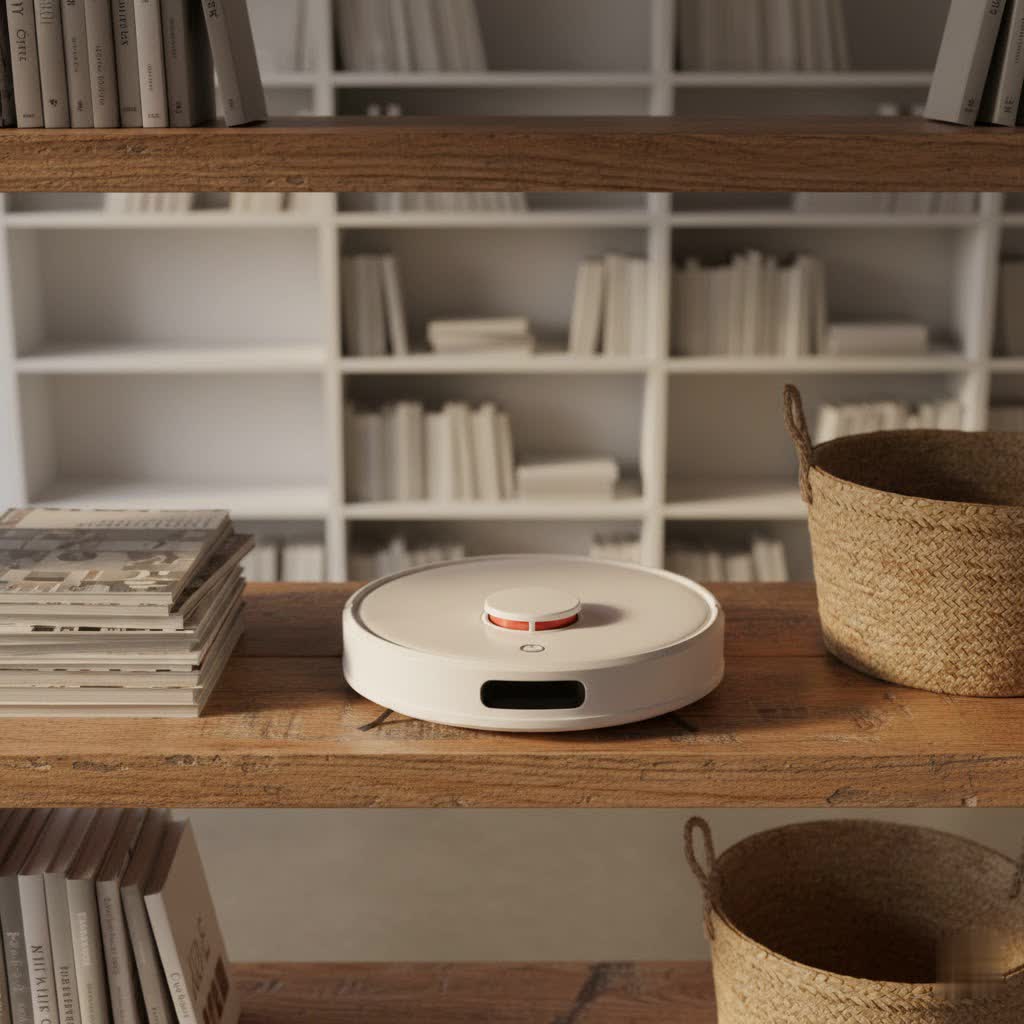
A robot vacuum is an autonomous device designed to intelligently navigate your home, sweeping and vacuuming floors to collect dust, dirt, and debris without manual intervention. These compact cleaners offer a hands-free approach to floor maintenance, freeing up valuable time and energy that would otherwise be spent on traditional vacuuming. The primary appeal of these devices lies in their sheer convenience and the consistent cleanliness they provide.
Opting for a budget robot vacuum means entering a category typically priced between $100 and $300, sometimes stretching up to $400 for models with enhanced features. While they may not boast every cutting-edge innovation found in premium counterparts, today’s affordable robot vacuums are far from basic. They represent an excellent entry point into smart home cleaning, offering a practical solution for daily upkeep without a significant financial outlay. Understanding the trade-offs and focusing on essential features can lead to a highly satisfying and cost-effective cleaning experience.
Key Features to Look For in a Budget Robot Vacuum
When exploring budget robot vacuums, it’s crucial to identify which features provide the most value for your specific needs. Not all affordable models are created equal, and prioritizing wisely will ensure you get the best performance for your money.
Suction Power
|
Our Picks for the Best Robot Vacuum in 2026
As an Amazon Associate I earn from qualifying purchases.
|
||
| Num | Product | Action |
|---|---|---|
| 1 | Robot Vacuum and Mop Combo,Equipped with Wireless Touch Button, Vacuum Robot Vacuum Cleaner and mop Combination, Silent, Advanced Obstacle Avoidance Suitable for Home Tiles Robot Vacuum and (White) |

|
| 2 | iRobot Roomba 105 Vac Robot Vacuum - Easy to use, Intense Power-Lifting Suction, LiDAR Navigation, Multi-Surface Cleaning, Cleans in Neat Rows, Self-Charging |
|
| 3 | Tikom Robot Vacuum and Mop, 6000Pa Robotic Vacuum Cleaner with Self-Emptying Base, 90 Days Capacity, LiDAR Navigation, Home Mapping, Ideal for Pet Hair, Hard Floors, Carpet (L8000 Plus) |
|
| 4 | Tikom Robot Vacuum and Mop Combo, 5000Pa Robotic Vacuum Cleaner, 150 Min Max, App & Remote Control, Ideal for Hard Floor, Carpet, Pet Hair, Self-Charge(G8000 Max) |
|
| 5 | eufy Robot Vacuum E25, HydroJet System with Roller Mop, 20,000 Pa Turbo Suction, All-in-One Robot Vacuum and Mop Combo, Edge-to-Corner Cleaning, Zero-Tangle Design, AI Obstacle Avoidance (Upgraded) |
|
| 6 | eufy Robot Vacuum 11S MAX, Super Thin, Powerful Suction, Quiet, Self-Charging Robotic Vacuum Cleaner, Cleans Hard Floors to Medium-Pile Carpets, Black |
|
| 7 | roborock Saros 10R Robot Vacuum and Mop, 22,000 Pa Suction, Zero-Tangling, 3.14’’ Ultra Slim, FlexiArm Riser Technology for Carpet & Floor, Corner & Edge Cleaning, Self-Emptying, Hot Air Drying, Black |
|
| 8 | ILIFE A30 Pro Robot Vacuum and Mop, Self Emptying Station for 60 Days, 5000Pa Suction, LiDAR Navigation, No-Go Zones, 2.4G WiFi/App/Alexa/Remote Control, Roller Brush for Carpet, Hard Floors, 110V |
|
| 9 | iRobot Roomba 105 Vac Robot Vacuum with AutoEmpty Dock - Self-Empties for 75 Days, Easy to use, Intense Power-Lifting Suction, LiDAR Navigation, Multi-Surface Cleaning, Cleans in Neat Rows |
|
| 10 | eufy C10 Robot Vacuum Self Emptying, 8 Weeks Hands Free, Advanced Smart Mapping with LiDAR Navigation, 2.85-Inch Slim Design, Powerful Suction, Edge Expansion Brush for Pet Hair, Carpet Detection |
|
Suction power, often measured in Pascals (Pa), indicates how effectively a vacuum can lift debris. While budget models typically offer less power than high-end units, a range of 1000-2500 Pa is often sufficient for light cleaning on hard floors and low-pile carpets. If you have pets or thicker carpets, aim for the higher end of this spectrum to ensure adequate pick-up of pet hair and embedded dirt. Keep in mind that brute force isn’t everything; efficient brush systems also play a significant role.
Navigation
This is often where budget and premium models diverge most noticeably.
- Random Navigation: Many entry-level robot vacuums use a “bump-and-go” system, cleaning in a random pattern until they encounter an obstacle. This can be less efficient, missing spots, and taking longer to cover an entire area.
- Gyroscope-based Navigation: A step up, these vacuums use internal gyroscopes to follow more methodical, zigzag patterns, offering more thorough coverage than random models.
- LIDAR Mapping: While rare in the lowest price points, some advanced budget models incorporate LIDAR (Light Detection and Ranging) for precise room mapping. This allows the robot to create a detailed map of your home, navigate efficiently, and even recognize virtual boundaries or “no-go zones” set via an app. This feature significantly enhances cleaning efficiency and reduces the chance of the robot getting stuck.
- Obstacle Avoidance & Cliff Sensors: All robot vacuums should have cliff sensors to prevent them from falling down stairs. Basic obstacle avoidance helps them navigate around furniture rather than constantly bumping into it, improving efficiency and protecting your belongings.
Battery Life and Run Time
The battery life determines how long a robot vacuum can operate on a single charge. For smaller homes or apartments, a battery life of 60-90 minutes is generally adequate. If you have a larger living space, look for models that can run for 90 minutes or longer to complete cleaning cycles without needing frequent recharges. Some robots feature “recharge and resume” functionality, allowing them to return to their dock, recharge, and then continue cleaning where they left off.
Dustbin Capacity and Self-Emptying
A larger dustbin means less frequent emptying, which is a key aspect of hands-free cleaning. Budget models usually have smaller dustbins compared to premium units. While self-emptying docks are a coveted premium feature, they are occasionally found in the upper end of the budget category, providing immense convenience by automatically transferring collected debris to a larger bin in the charging dock for weeks of maintenance-free operation. If a self-empty dock is outside your budget, ensure the manual dustbin is easy to access and clean.
Mopping Functionality
Many budget robot vacuums now offer hybrid vacuum and mop capabilities. However, it’s important to manage expectations. “Wet rag” style mopping is common, where a damp cloth is dragged across the floor. This is suitable for light maintenance and wiping up surface dust, but it won’t tackle stubborn stains or deep clean like a dedicated mop. Some advanced budget hybrids may feature vibrating mop pads or even auto-lifting pads to avoid wetting carpets, offering better performance for hard floors.
Smart Features and Connectivity
Even budget robot vacuums increasingly offer smart features:
- App Control: Many connect to Wi-Fi, allowing you to control the vacuum, schedule cleanings, view cleaning maps (if supported), and adjust settings from your smartphone.
- Voice Control: Integration with virtual assistants like Amazon Alexa or Google Assistant provides convenient voice commands.
- Remote Control: Some very basic models might not have Wi-Fi but come with a physical remote control, offering essential scheduling and control functions. If you value connectivity and smart home integration, ensure your chosen model supports Wi-Fi.
Brush Type
The type of brush roll significantly impacts cleaning performance, especially for pet owners. Rubber brush rolls are generally better at preventing hair tangles, making them ideal for homes with pets and easier to maintain. Bristle brushes are common and effective for general debris but can get tangled with long hair. Hybrid brushes combine both bristles and rubber for versatility.
Design
A slim profile (typically under 3.5 inches) allows the robot vacuum to navigate and clean under low-profile furniture like sofas and beds, ensuring a more thorough clean throughout your home.
Types of Budget Robot Vacuums for Different Needs
The budget robot vacuum market offers a variety of models tailored to specific household demands:
- For Hard Floors: Many budget models excel on hard surfaces like hardwood, tile, and laminate, efficiently picking up dust, crumbs, and light debris. Their simpler navigation is often sufficient for less cluttered hard-floor spaces.
- For Homes with Pets: Look for models with stronger suction (closer to 2000+ Pa) and rubber or tangle-free brush rolls to handle pet hair effectively and minimize maintenance.
- With Basic Mopping: If you have mostly hard floors and want light maintenance mopping, a hybrid vacuum-mop combo can be a good value. Just remember the limitations of basic mopping.
- With a Self-Empty Dock: A few budget-friendly options, like certain Shark Matrix or TP-Link Tapo models, now include self-empty docks, drastically reducing how often you need to interact with the device. This is a game-changer for convenience in the budget category.
- For Small Apartments: Very affordable, basic models with random navigation can be perfectly suitable for smaller, less complex layouts where coverage time isn’t a major concern.
Top Budget Robot Vacuums: A Detailed Comparison
Choosing the “best” budget robot vacuum depends on your specific priorities. Here’s a comparative overview of popular models frequently recommended for their value and performance in the budget category.
| Brand | Model | Price Range (USD) | Suction Power (Pa) | Battery Life (mins) | Notable Features |
|---|---|---|---|---|---|
| Eufy | RoboVac 11S/11S Max | $150 – $250 | 1300-2000 | 100-120 | Slim design, quiet operation, BoostIQ, remote control (11S) or app control (11S Max) |
| iRobot | Roomba 692/694/Vac | $180 – $280 | 1700-1800 | 90 | iRobot reliability, app/voice control, good dirt pickup, adaptable brushes |
| Roborock | Q5 Max+ / Q7 L5 | $250 – $400 | 2700-4200 | 180 | Strong suction, LIDAR mapping, app control with no-go zones, good for carpets (Q5 Max+), optional mopping (Q7 L5) |
| Wyze | Robot Vacuum | $200 – $300 | 2100 | 120-150 | LIDAR mapping, precise navigation, virtual walls, good for pet hair |
| Shark | ION Robot AV752 / Matrix RV2310AE | $150 – $300 | 1500-2500 | 120 | App control, good for pet hair (ION), LIDAR mapping and self-empty dock (Matrix) |
| Dreame | L10s Ultra (on sale) | $350 – $450 | 5300 | 180 | Advanced mopping (rotating pads, auto-lift), self-empty dock, advanced navigation (often on deep discount) |
| Ecovacs | Deebot N20 Plus | $200 – $300 | 2300 | 120 | Good carpet deep cleaning, pet hair pickup, includes mopping (basic) |
Note: Prices are approximate and can vary significantly based on sales and retailers.
Choosing the Right Budget Robot Vacuum: A Buyer’s Guide
Selecting the perfect budget robot vacuum involves a careful assessment of your home environment and priorities.
- Define Your Budget: Determine your maximum spending limit. This will help narrow down your options immediately.
- Assess Your Home Layout:
- Size: For small apartments, basic models with shorter battery life might suffice. Larger homes will benefit from longer run times and more efficient navigation.
- Clutter: If your home is very cluttered, look for better obstacle avoidance. If it’s open, simpler navigation is fine.
- Floor Types: Predominantly hard floors? Most budget models do well. Lots of carpet? Prioritize higher suction and capable brush rolls.
- Consider Pets: Pet hair demands stronger suction and rubberized, tangle-free brush rolls for effective cleaning and easier maintenance.
- Prioritize Features:
- Is mapping essential for methodical cleaning and no-go zones? Focus on models with gyroscope or LIDAR navigation.
- Do you crave maximum convenience? Look for self-emptying options, even if they nudge the budget limit.
- Is mopping a must-have? Understand that budget mopping is for light maintenance.
- Is app control important for scheduling and remote operation? Ensure Wi-Fi connectivity.
- Read Reviews and Wait for Sales: User reviews provide real-world insights into performance and common issues. Robot vacuums are frequently discounted, so patience can lead to significant savings on a better model.
> “Investing in a budget robot vacuum allowed me to reclaim hours each week. While it doesn’t replace deep cleaning, the daily tidiness it maintains is a game-changer for my busy family.” – Sarah L., Robot Vacuum User
Maximizing the Lifespan of Your Budget Robot Vacuum
Even budget robot vacuums are an investment, and proper care can significantly extend their lifespan and maintain performance.
- Regular Cleaning is Key:
- Empty the Dustbin: After every few runs (or daily if you have pets), empty the dustbin to prevent blockages and maintain suction power.
- Clean Brushes: Remove hair and debris tangled around the main brush roll and side brushes regularly. Rubber brushes often make this easier.
- Wipe Sensors: Keep the robot’s cliff sensors and navigation sensors clean with a dry cloth to ensure proper navigation and prevent falls.
- Clean/Replace Filters: Tap out or clean the filter (if washable) regularly. Replace HEPA filters every 1-3 months, depending on usage, to maintain air quality and suction.
- Battery Care: Charge the robot regularly and avoid letting the battery completely drain for extended periods, as this can reduce its overall lifespan.
- Clear Obstacles: Before each cleaning cycle, pick up loose cables, small toys, or anything that could tangle the brushes or trap the robot. This prevents damage and ensures an uninterrupted cleaning run.
- Troubleshooting Common Issues: Familiarize yourself with common error codes or issues (e.g., getting stuck, poor suction) and basic troubleshooting steps outlined in your user manual.
Conclusion
The evolution of robot vacuum technology has made automated cleaning accessible to a wider audience, proving that you don’t need to spend a fortune to enjoy cleaner floors. Budget robot vacuums, while often requiring some compromise on advanced features like sophisticated mapping or powerful self-emptying stations, offer tremendous value in terms of convenience and consistent daily upkeep. By understanding what features to prioritize based on your home’s unique needs and committing to routine maintenance, you can find an affordable robot vacuum that acts as a diligent helper, transforming your cleaning routine.
Are you ready to welcome a new cleaning assistant into your home without breaking the bank?
Frequently Asked Questions
Which budget robot vacuum is best for homes with pet hair?
For homes with pets, prioritize budget robot vacuums with strong suction power (ideally 2000 Pa or more) and rubber or hybrid brush rolls. Models like the Shark ION Robot AV752 or the Roborock Q5 Max+ are frequently recommended for their ability to manage pet hair effectively without excessive tangles.
Can budget robot vacuums really map my home?
While basic budget models typically use random “bump-and-go” navigation, some higher-end budget options now feature gyroscope-based navigation or even LIDAR mapping. LIDAR-equipped budget vacuums, such as the Wyze Robot Vacuum or Shark Matrix RV2310AE, can create precise home maps, allowing for more efficient cleaning paths and the setting of virtual boundaries.
How often do I need to empty a budget robot vacuum’s dustbin?
The frequency of emptying depends on your home’s size, how much debris accumulates, and whether you have pets. Most budget robot vacuums require emptying their dustbin every 1-3 cleaning cycles. If your model includes a self-emptying dock (a rarer feature in this price range), you might only need to empty the larger bin every few weeks.
Are budget robot vacuums with mopping functionality worth it?
Budget robot vacuums with mopping capabilities are generally best for light, maintenance-level wet cleaning on hard floors. They can effectively wipe up dust and light spills, but they won’t deep-clean stubborn stains. If you need powerful mopping for heavily soiled floors, a dedicated, higher-end robot mop or traditional mopping might be more suitable. However, for daily freshness, they offer good value.
