The dream of a perpetually clean home, effortlessly maintained, often comes with a hefty price tag when considering advanced robot vacuums. However, the landscape of home automation has evolved, and today, achieving a consistently tidy living space doesn’t have to break the bank. Many believe that “cheap” equals “ineffective” when it comes to these intelligent cleaners, but that’s a misconception. While budget-friendly robot vacuums naturally come with certain trade-offs compared to their premium counterparts, they offer remarkable value, significant time savings, and a welcome relief from daily sweeping and vacuuming. This guide will navigate the world of affordable robot vacuums, helping you understand what to look for, what to expect, and how to choose the perfect cost-effective cleaning companion for your home.
What is a Robot Vacuum and Why Consider an Affordable One?
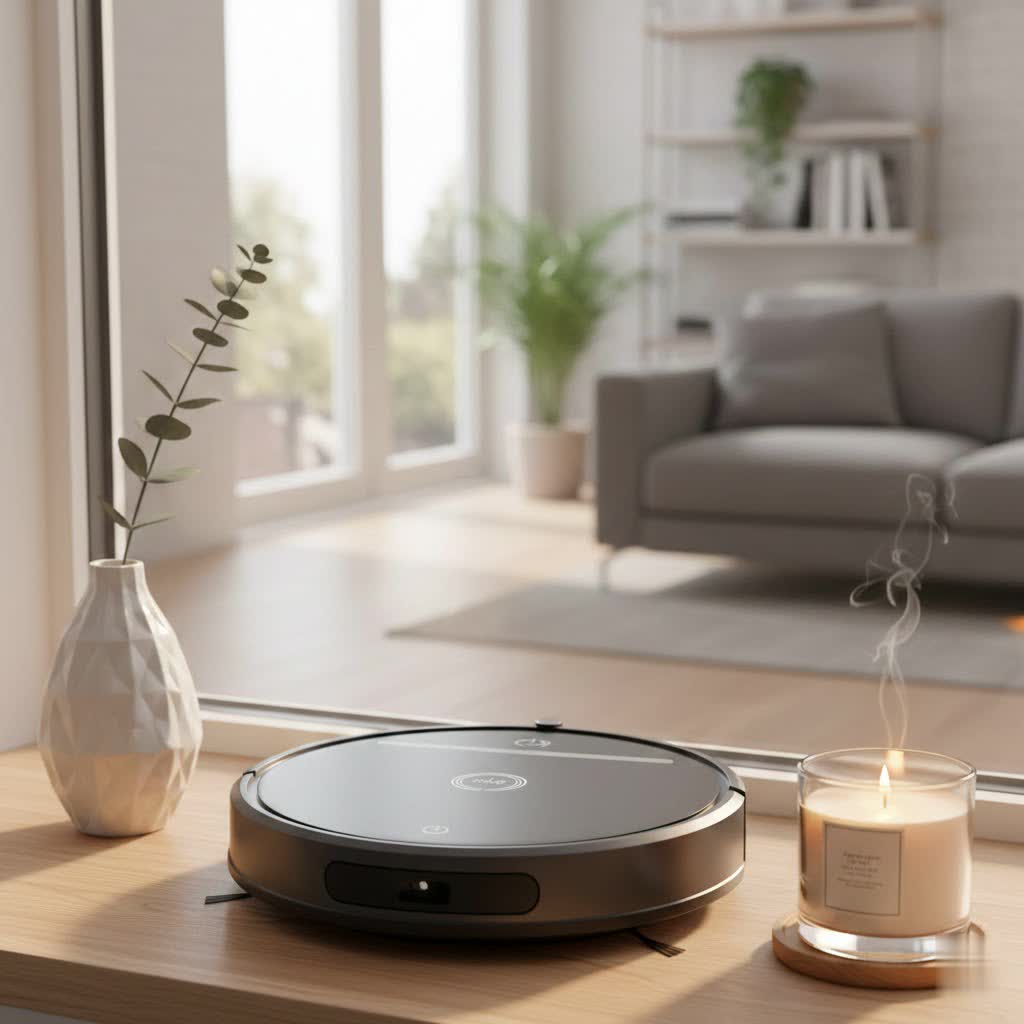
A robot vacuum is an autonomous device designed to clean floors with minimal human intervention. Equipped with sensors, brushes, and suction power, it navigates your home, collecting dust, dirt, and debris. The primary benefit of any robot vacuum is unparalleled convenience; it automates a tedious chore, freeing up your time for more enjoyable activities.
For many, the idea of owning a robot vacuum was once a luxury, but the market has matured, making these smart devices accessible to a wider audience. Opting for an affordable model allows you to enjoy the core benefits of automated cleaning—consistent floor maintenance and reduced manual effort—without a substantial financial investment. While a cheap robot vacuum might not boast every cutting-edge feature, it serves as an excellent entry point into smart home cleaning, proving that you don’t need to spend a fortune to keep your floors presentable. It’s about finding the sweet spot where cost meets performance for your specific needs.
Understanding Types of Robot Vacuums and Their Budget Implications
Robot vacuums come in various forms, each offering different levels of functionality and, consequently, varying price points. Understanding these types is crucial when navigating the budget segment.
The most affordable options are typically basic vacuum-only models. These focus solely on suction and brushing, making them ideal for homes primarily needing dry debris pickup. They often employ “bump-and-run” navigation, meaning they move until they encounter an obstacle, then change direction. This method is less efficient than advanced mapping but is perfectly adequate for smaller, less cluttered spaces.
Stepping up slightly in price, you’ll find vacuum and mop combo robots. These hybrids offer dual functionality, typically with a small water tank and a microfiber pad for light mopping alongside vacuuming. While they won’t tackle stubborn stains, they can provide a refreshing wipe on hard floors. Some advanced budget hybrids, like the MOVA S10, even feature automatic mop-lifting when transitioning to carpets, a premium feature previously unheard of in this price range.
A feature that significantly impacts convenience is a self-empty dock. Historically reserved for high-end models, a few budget-friendly options now include docks that automatically empty the robot’s dustbin, reducing manual intervention for weeks. These are usually a bit pricier within the “cheap” category but offer a considerable upgrade in autonomy. Navigation technology also influences cost; while basic models use gyroscopes or infrared sensors, more advanced budget robots are now incorporating LiDAR mapping for more efficient, methodical cleaning paths, even in the dark.
Key Factors to Consider When Buying a Cheap Robot Vacuum
Choosing the right affordable robot vacuum involves balancing cost with essential features and understanding where you can compromise without sacrificing effective cleaning.
First, define your budget. “Cheap” can mean different things to different people, but for robot vacuums, it generally refers to models under $400, with many excellent options available under $200-$300. This will narrow down your choices significantly.
Next, consider your home size and layout. For smaller apartments or homes with open floor plans, a basic bump-and-run model might suffice. However, for larger areas or multi-room layouts, a robot with better navigation (like those with LiDAR mapping) and a longer battery life (90-120 minutes or more) will be more efficient, reducing the need for multiple charging cycles or missed spots.
Floor types are another critical consideration. Most robot vacuums perform well on hard floors (hardwood, tile, laminate). If you have carpets or rugs, look for models with stronger suction power (measured in Pascals, Pa) and specialized brush rolls to lift embedded dirt and pet hair effectively. Some budget models excel in deep carpet cleaning, an unexpected bonus.
If you have pets, prioritize models known for good pet hair pickup. While smaller dustbins are common in cheaper models, some offer tangle-free brushes or slightly larger capacities, or even self-empty docks which are a game-changer for pet owners. Stronger suction is always beneficial for tackling pet dander.
Finally, think about desired features vs. absolute necessities. Do you need Wi-Fi connectivity and app control for scheduling and zone cleaning, or is a simple remote control enough? Is basic mopping a bonus, or do you require more robust wet cleaning? Are you willing to manually empty the dustbin and clean brushes regularly to save money? Understanding these trade-offs will help you prioritize what truly matters for your lifestyle.
Top Affordable Robot Vacuums: A Comparison for Smart Savers
The market for budget robot vacuums is surprisingly robust, offering impressive features for their price points. Here’s a look at what you can expect from different categories of affordable models.
| Category Example | Price Range (USD) | Typical Suction (Pa) | Run Time (min) | Key Features for Price | Ideal For |
|---|---|---|---|---|---|
| Entry-Level Basic | $100 – $180 | 1500-2000 | 60-90 | Bump-and-run navigation, remote control, compact design | Small apartments, hard floors, light debris, users seeking pure affordability |
| Value Hybrid | $180 – $250 | 2000-2500 | 90-120 | Gyro/Basic mapping, app control, basic vacuum & mop (fixed pad) | Medium homes, mixed floors, users wanting basic smart features and mopping |
| Advanced Budget | $250 – $350 | 2500-3000+ | 120-180 | LiDAR mapping, app/voice control, potential auto-empty or mop-lifting | Larger homes, mixed floors/carpets, pet owners, users valuing efficiency & convenience |
Top 5 Best Value Robot Vacuums You Can Buy
|
Our Picks for the Best Robot Vacuum in 2026
As an Amazon Associate I earn from qualifying purchases.
|
||
| Num | Product | Action |
|---|---|---|
| 1 | eufy Robot Vacuum 11S MAX, Super Thin, Powerful Suction, Quiet, Self-Charging Robotic Vacuum Cleaner, Cleans Hard Floors to Medium-Pile Carpets, Black |

|
| 2 | iRobot Roomba 105 Vac Robot Vacuum with AutoEmpty Dock - Self-Empties for 75 Days, Easy to use, Intense Power-Lifting Suction, LiDAR Navigation, Multi-Surface Cleaning, Cleans in Neat Rows |
|
| 3 | ILIFE A30 Pro Robot Vacuum and Mop, Self Emptying Station for 60 Days, 5000Pa Suction, LiDAR Navigation, No-Go Zones, 2.4G WiFi/App/Alexa/Remote Control, Roller Brush for Carpet, Hard Floors, 110V |
|
| 4 | Tikom Robot Vacuum and Mop, 6000Pa Robotic Vacuum Cleaner with Self-Emptying Base, 90 Days Capacity, LiDAR Navigation, Home Mapping, Ideal for Pet Hair, Hard Floors, Carpet (L8000 Plus) |
|
| 5 | roborock Saros 10R Robot Vacuum and Mop, 22,000 Pa Suction, Zero-Tangling, 3.14’’ Ultra Slim, FlexiArm Riser Technology for Carpet & Floor, Corner & Edge Cleaning, Self-Emptying, Hot Air Drying, Black |
|
| 6 | Robot Vacuum and Mop Combo,Equipped with Wireless Touch Button, Vacuum Robot Vacuum Cleaner and mop Combination, Silent, Advanced Obstacle Avoidance Suitable for Home Tiles Robot Vacuum and (White) |
|
| 7 | iRobot Roomba 105 Vac Robot Vacuum - Easy to use, Intense Power-Lifting Suction, LiDAR Navigation, Multi-Surface Cleaning, Cleans in Neat Rows, Self-Charging |
|
| 8 | Tikom Robot Vacuum and Mop Combo, 5000Pa Robotic Vacuum Cleaner, 150 Min Max, App & Remote Control, Ideal for Hard Floor, Carpet, Pet Hair, Self-Charge(G8000 Max) |
|
| 9 | eufy C10 Robot Vacuum Self Emptying, 8 Weeks Hands Free, Advanced Smart Mapping with LiDAR Navigation, 2.85-Inch Slim Design, Powerful Suction, Edge Expansion Brush for Pet Hair, Carpet Detection |
|
| 10 | eufy Robot Vacuum E25, HydroJet System with Roller Mop, 20,000 Pa Turbo Suction, All-in-One Robot Vacuum and Mop Combo, Edge-to-Corner Cleaning, Zero-Tangle Design, AI Obstacle Avoidance (Upgraded) |
|
- TP-Link Tapo RV30 Max Plus: Often available under $200, this model punches above its weight. It offers strong overall cleaning performance, especially for debris pickup, and comes with a self-empty dock, a feature rare at this price point. Its compact design is also a plus for fitting under furniture.
- MOVA S10: Retailing around $180, the MOVA S10 is a standout for its LiDAR mapping, which provides efficient, methodical cleaning paths. It also boasts impressive deep carpet cleaning capabilities and an electronic mop that can lift when detecting carpet, making it an exceptional vacuum-mop combo for its price.
- Dreametech D10+: Priced around $279, this robot offers excellent value. It delivers respectable carpet and hard floor performance, good path planning, and a perfect auto-empty score. It’s a solid all-rounder for those looking for robust cleaning without venturing into premium prices.
- Roborock Q5 Max+: While closer to the $360 mark, the Roborock Q5 Max+ is frequently cited as the best overall robot vacuum under $400. It excels in both carpet and hard floor pickup, boasts excellent hair pickup and tangle avoidance, and offers efficient path planning for quicker cleaning times.
- iLife V5s Pro: This very affordable hybrid robot vacuum is a great choice for those on a tight budget, often found for well under $200. It quietly excels at picking up pet hair on hard floors and offers light mopping functionality. While it uses bump-and-clean navigation, it does so gently, making it effective for basic daily tidying.
These models demonstrate that “cheap” doesn’t mean sacrificing core performance. You can find capable robot vacuums that offer powerful suction, smart navigation, and even hybrid cleaning functions, all within an accessible budget.
Maximizing Your Investment: Tips for Using and Maintaining a Cheap Robot Vacuum
To ensure your affordable robot vacuum provides consistent performance and lasts for years, proper usage and maintenance are key.
Firstly, regularly clean the dustbin and filters. Budget models often have smaller dustbins, so frequent emptying is crucial, especially if you have pets. Most filters are washable, but refer to your manual for specific instructions. Replacing filters periodically also maintains suction power. Secondly, keep brushes clear of tangles. Hair, especially pet hair, can wrap around roller brushes and side brushes. Regularly detangle them with the cleaning tool often provided with the robot to prevent reduced efficiency and motor strain.
Pre-cleaning your floors before a scheduled run is a simple yet effective tip. Pick up loose cables, small toys, and other clutter that could potentially trap or damage the robot. This ensures the robot can navigate smoothly and efficiently without getting stuck. Understanding your robot’s navigation type is also important; if it’s a bump-and-run model, setting up virtual barriers or closing doors to areas with many obstacles can improve its cleaning coverage.
For hybrid vacuum-mop models, clean the mop pad after each use and refill the water tank as needed. Basic mopping systems often require manual intervention to maintain effectiveness. Finally, care for the battery by ensuring the robot always returns to its charging dock. Avoid letting the battery completely drain for extended periods, as this can reduce its overall lifespan. By following these simple maintenance steps, you can significantly extend the life and effectiveness of your budget-friendly robot vacuum.
“Investing in a cheap robot vacuum was one of the best decisions for my home. It handles daily crumbs and dust, saving me so much time. The key is to manage expectations and do a little maintenance, which is a small price to pay for the convenience.” – Sarah M., Happy Robot Vacuum Owner
Conclusion
The pursuit of an effortlessly clean home no longer requires a premium budget. Affordable robot vacuums have evolved significantly, offering remarkable cleaning capabilities, smart features, and genuine convenience for a fraction of the cost. While you might forego some advanced luxuries like complex obstacle avoidance or comprehensive self-cleaning stations found in high-end models, the best cheap robot vacuums deliver where it counts: consistent, automated floor maintenance. By understanding your specific needs, prioritizing essential features, and committing to simple maintenance, you can find a cost-effective robot vacuum that truly enhances your daily life. It’s about making a smart, informed choice that brings the benefits of smart cleaning within reach.
Ready to reclaim your time and enjoy cleaner floors? Which budget-friendly robot vacuum feature are you most excited to try?
Frequently Asked Questions
Are cheap robot vacuums effective?
Yes, many cheap robot vacuums are highly effective for daily cleaning of dust, dirt, and pet hair on hard floors and even some carpets. Their effectiveness depends on factors like suction power, navigation type, and maintenance, but they can significantly reduce manual cleaning effort.
What features do I sacrifice with a budget model?
With a budget robot vacuum, you typically sacrifice features such as advanced obstacle avoidance, sophisticated self-empty and mop-cleaning docks, complex multi-floor mapping with “no-go zones,” and sometimes the strongest suction power or largest dustbin capacity.
Are cheap robot vacuums good for pet hair?
Many cheap robot vacuums can handle pet hair effectively, especially on hard floors. For homes with significant pet hair, look for models with strong suction (2000+ Pa), tangle-free brush rolls, and consider a model with an auto-empty dock if available in your budget to reduce frequent manual emptying.
How long do cheap robot vacuums last?
The lifespan of a cheap robot vacuum varies, but with proper care and regular maintenance (cleaning brushes, emptying bins, replacing filters), many can last 2-4 years or even longer. Durability can sometimes be a trade-off for lower cost, so consistent maintenance is crucial.
Can cheap robot vacuums map my house?
Some advanced budget robot vacuums now include smart mapping technologies like LiDAR or gyroscope-based navigation, allowing them to map your home for more efficient, systematic cleaning paths. However, very basic models may still rely on less efficient “bump-and-run” navigation.
