In today’s fast-paced world, maintaining a pristine home can feel like a never-ending chore. Thankfully, advancements in smart home technology have brought forth innovative solutions, with robot vacuums leading the charge. Among the many brands vying for a spot in your cleaning arsenal, Bissell stands out with its unique approach to automated floor care. Known for their powerful 2-in-1 vacuuming and mopping capabilities, Bissell robot vacuums promise to simplify your cleaning routine, offering a hands-free way to keep your floors spotless. This comprehensive guide will explore what makes Bissell robot vacuums a worthy addition to your home, delve into their popular models, help you choose the ideal one for your needs, and provide essential maintenance tips to ensure long-lasting performance.
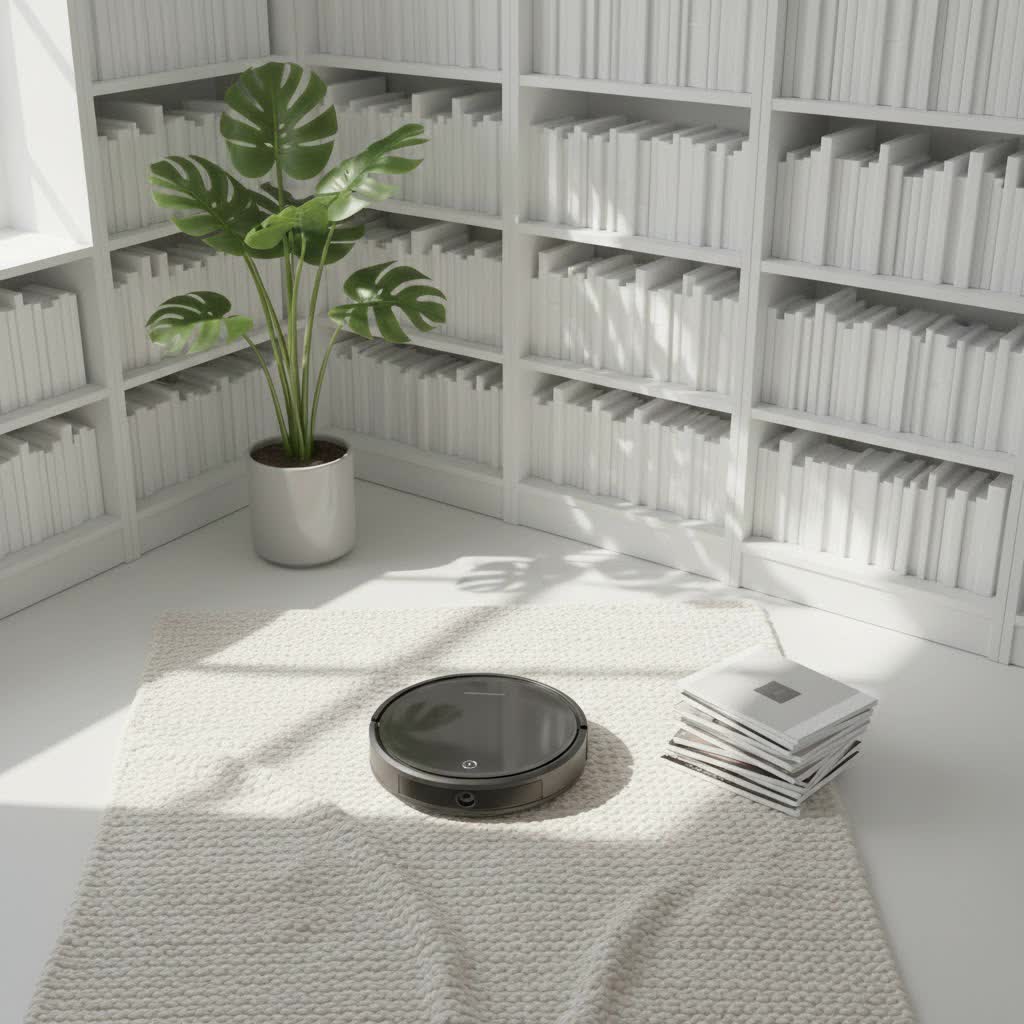
What is a Bissell Robot Vacuum? Why Do You Need One?
A Bissell robot vacuum is an intelligent, autonomous cleaning device designed to vacuum and, in many cases, mop your floors automatically. These devices navigate your home, systematically collecting dust, debris, and pet hair, often switching seamlessly between dry vacuuming and wet mopping. The core benefit of integrating a Bissell robotic vacuum into your home is the unparalleled convenience it offers, freeing up your time and energy for other activities.
Unlike traditional cleaning methods, robot vacuums provide consistent, daily tidiness without manual effort. Bissell models are particularly noted for their dual functionality, which means you can tackle both dry messes and sticky spills with a single device. Features like automatic carpet detection, which prevents wet mopping on rugs, add to their practicality. Before purchasing, consider factors such as your primary floor types, the presence of pets, your budget, and the level of smart features you desire. These considerations will help you align the robot’s capabilities with your household’s specific cleaning demands.
Popular Bissell Robot Vacuum Models
Bissell primarily focuses its robotic vacuum efforts on the SpinWave series, which emphasizes its signature 2-in-1 vacuuming and mopping capabilities. The Bissell SpinWave Wet and Dry Robotic Vacuum is a prominent model, celebrated for its ability to both vacuum dry debris and scrub hard floors effectively. It typically features two spinning microfiber pads that, when paired with Bissell’s proprietary cleaning solutions, can leave floors remarkably clean and streak-free.
An evolution in the series, the Bissell SpinWave R5, offers enhanced features and performance. While maintaining the vacuum and mop combo, it often comes with improvements in navigation and app control, allowing for more detailed scheduling and zone cleaning. Both models consistently highlight a “Soft Surface Avoidance Sensor,” a crucial technology that intelligently detects carpets and rugs, preventing wet mopping in those areas and protecting your soft furnishings. These Bissell robot vacuums are designed for households seeking a versatile cleaning solution that can handle everyday messes on various surfaces.
Bissell Robot Vacuums: A Detailed Comparison
When considering a Bissell robot vacuum, understanding its general specifications and how it stacks up against some popular competitors can provide valuable context. Bissell’s offerings, particularly the SpinWave series, are known for their strong mopping performance and value. Below is a comparison table that reflects typical characteristics of Bissell SpinWave models and provides benchmarks from other well-known brands.
| Brand | Model | Price (Approx.) | Suction (Pa) | Run Time (Min) | Key Features |
|---|---|---|---|---|---|
| Bissell | SpinWave (Typical) | $300 – $550 | 1500 – 2000 | 100 – 180 | 2-in-1 Vac & Mop, Spinning Mop Pads, Carpet Avoidance, App Control, Uses Cleaning Solutions |
| iRobot | Roomba i7+ (Example) | $600 – $800 | 1700+ | 75 | Self-emptying, Smart Mapping, Voice Control, Strong Vacuum |
| Ecovacs | Deebot Ozmo T8 AIVI | $500 – $700 | 1500 | 180 | Mopping, AI Obstacle Avoidance, Advanced Mapping, Self-emptying dock available |
| Xiaomi/Roborock | Roborock S7 (Example) | $400 – $600 | 2500+ | 180 | Sonic Mopping, Auto Mop-lifting, Advanced Mapping |
Note on Comparison: Bissell SpinWave models typically offer solid 2-in-1 functionality at a competitive price point, with their mopping capabilities often receiving high praise due to the dual spinning pads and ability to use cleaning solutions. While their vacuuming suction (e.g., 1500-2000Pa) is effective for daily upkeep on hard floors and low-pile carpets, it might not match the raw power of some vacuum-only specialists or premium hybrids like the Roborock S7 which boasts 2500Pa or more. Advanced features like full home mapping and voice control, common in higher-priced competitors, may be more limited or absent in some Bissell models, reflecting their focus on accessible multi-surface cleaning.
How to Choose the Right Bissell Robot Vacuum for Your Needs
Selecting the perfect Bissell robot vacuum involves a careful assessment of your home’s unique characteristics and your personal preferences. Tailoring your choice to these factors ensures you get the most out of your investment in automated cleaning.
-
Budget: Bissell robot vacuums generally offer excellent value, especially for their 2-in-1 vacuuming and mopping features. Determine how much you are willing to spend, keeping in mind that while Bissell provides robust functionality at its price point, ultra-premium features like advanced LiDAR mapping or self-emptying docks typically come with a higher cost from other brands.
-
Home Size and Layout: Consider the total area the robot needs to cover and the complexity of your home’s layout. Bissell SpinWave models offer a respectable battery life (often 100-180 minutes), suitable for most medium to large homes. For homes with many obstacles, remember that Bissell robots, particularly older models, have been noted to occasionally get stuck, requiring some pre-cleaning or supervision.
-
Type of Flooring: Bissell robot vacuums excel on hard floors such as tile, hardwood, and laminate, where their spinning mop pads can truly shine, removing dirt and sticky messes effectively. They perform well on low-pile carpets and rugs for vacuuming, but if your home primarily features thick, high-pile carpeting, a robot vacuum with significantly higher suction power (often found in dedicated vacuum-only models or more expensive hybrids) might be a better choice. The automatic carpet avoidance feature for mopping is a significant plus for mixed flooring homes.
-
Pet Ownership: For households with furry companions, a Bissell robot vacuum can be a great asset. They efficiently pick up pet hair and dander on hard surfaces and low-pile carpets in vacuum mode. The ability to use pet-specific cleaning solutions in mop mode also helps in tackling pet-related odors and messes, making them a suitable option for pet owners.
-
Desired Features: Evaluate which smart features are most important to you. All Bissell SpinWave models offer app control for scheduling and basic operation. If advanced features like precise room mapping with virtual no-go zones, voice assistant integration (Alexa/Google Assistant), or automatic dustbin emptying are high priorities, you might need to explore newer models or consider higher-end alternatives that integrate these technologies more extensively.
Top Bissell Robot Vacuum Models
While Bissell offers various cleaning products, their robot vacuum line is strongly represented by the SpinWave Wet and Dry Robotic Vacuum series, including models like the SpinWave R5. These models define Bissell’s presence in the robot vacuum market, offering a unique blend of affordability and dual-action cleaning.
The Bissell SpinWave Wet and Dry Robotic Vacuum is highly praised for its effective mopping function. It features two rotating mop pads that, when used with Bissell’s cleaning solutions, deliver a thorough scrub that often outperforms other robot mops in its price range. The device efficiently vacuums dry debris from hard floors and low-pile carpets with approximately 1500Pa of suction, making it ideal for daily maintenance. A standout feature is its Soft Surface Avoidance Sensor, which automatically detects and navigates around carpets during mopping cycles, preventing accidental wetting. However, some users have noted a lack of advanced mapping and occasional issues with getting stuck on obstacles.
The Bissell SpinWave R5 builds upon this foundation, offering improvements in navigation and app functionality. With a reported suction power of around 2000Pa, it provides a slightly more robust vacuuming experience, though it’s still best suited for hard floors and light carpet cleaning rather than deep-pile carpets. The R5 retains the excellent spinning mop pads and carpet detection, delivering a strong mopping performance. Its companion app allows for more customized cleaning schedules and zone creation, although setting up precise zones can sometimes require a bit of a learning curve. Battery life is also a strong point, with the R5 often exceeding 100 minutes in mixed use. Users appreciate its relatively quiet operation, making it less disruptive during daily activities. Despite its strengths, the R5, like its predecessors, can occasionally get bogged down by certain obstacles or thick rugs, indicating that some room preparation might be necessary for optimal performance.
Tips for Using and Maintaining Your Bissell Robot Vacuum to Extend Its Lifespan
Proper usage and regular maintenance are crucial for ensuring your Bissell robot vacuum continues to perform at its best and enjoys a long lifespan. Following these tips will help you maximize its efficiency and prevent common issues.
-
Regular Cleaning of Components:
- Dustbin: Empty the dustbin after every few cleaning sessions, or more frequently if you have pets or a particularly dusty home. Wash it with water if necessary and ensure it’s completely dry before reinserting.
- Brushes: Regularly check and clean the main brush roll and side brushes. Hair, string, and debris can easily get tangled, reducing cleaning effectiveness. Use the cleaning tool provided with your robot to cut away tangled hair.
- Mopping Pads: If your model includes mopping pads, remove and wash them after each mopping session. Bissell’s reusable pads are often machine-washable.
- Sensors: Keep the cliff sensors and other navigation sensors clean. Dust and dirt can interfere with the robot’s ability to navigate and detect obstacles, leading to it getting stuck or falling down stairs. Wipe them gently with a dry cloth.
-
Replacing Accessories:
- Filters: The robot’s filter captures fine dust and allergens. Check your manual for recommended replacement intervals (typically every 1-3 months, depending on usage). A clogged filter reduces suction power.
- Brushes: Side brushes and the main brush roll wear out over time. Replace them when they become visibly worn or damaged to maintain optimal cleaning.
-
Battery Care:
- Charging: Always allow your robot vacuum to return to its charging dock after a cleaning cycle to ensure it’s ready for the next one. Avoid letting the battery completely drain for extended periods, as this can reduce its overall lifespan.
- Storage: If you plan to store the robot for a long time, ensure the battery is fully charged, then turn off the device and store it in a cool, dry place.
-
Troubleshooting Common Issues:
- Getting Stuck: If your robot frequently gets stuck, try to identify and remove common obstacles like loose cables, thick rugs, or light furniture that it struggles to climb over.
- Connectivity Issues: If the app loses connection, try restarting the robot and your Wi-Fi router. If problems persist, removing and reinstalling the robot within the Bissell Connect app can often resolve them.
- Poor Performance: Ensure all brushes are clean, the dustbin is empty, and the filter is not clogged. Check that the cleaning mode is appropriate for the surface.
Conclusion
Bissell robot vacuums, particularly the versatile SpinWave series, offer a compelling solution for modern home cleaning. With their innovative 2-in-1 vacuuming and mopping capabilities, advanced carpet avoidance technology, and the ability to use specialized cleaning formulas, they stand out as excellent tools for maintaining sparkling hard floors and tidy low-pile carpets. While they may not always boast the most advanced mapping systems or highest suction power for deep carpets compared to some premium competitors, their value, ease of use, and effective mopping performance make them a smart choice for many households. By understanding your specific cleaning needs and committing to regular maintenance, a Bissell robot vacuum can significantly enhance your daily routine, providing consistent cleanliness with minimal effort. Are you ready to embrace a smarter way to clean your home?
Frequently Asked Questions
Which Bissell robot vacuum is best for homes with pets?
|
Our Picks for the Best Robot Vacuum in 2026
As an Amazon Associate I earn from qualifying purchases.
|
||
| Num | Product | Action |
|---|---|---|
| 1 | iRobot Roomba 105 Vac Robot Vacuum - Easy to use, Intense Power-Lifting Suction, LiDAR Navigation, Multi-Surface Cleaning, Cleans in Neat Rows, Self-Charging |

|
| 2 | roborock Saros 10R Robot Vacuum and Mop, 22,000 Pa Suction, Zero-Tangling, 3.14’’ Ultra Slim, FlexiArm Riser Technology for Carpet & Floor, Corner & Edge Cleaning, Self-Emptying, Hot Air Drying, Black |
|
| 3 | ILIFE A30 Pro Robot Vacuum and Mop, Self Emptying Station for 60 Days, 5000Pa Suction, LiDAR Navigation, No-Go Zones, 2.4G WiFi/App/Alexa/Remote Control, Roller Brush for Carpet, Hard Floors, 110V |
|
| 4 | eufy Robot Vacuum E25, HydroJet System with Roller Mop, 20,000 Pa Turbo Suction, All-in-One Robot Vacuum and Mop Combo, Edge-to-Corner Cleaning, Zero-Tangle Design, AI Obstacle Avoidance (Upgraded) |
|
| 5 | eufy Robot Vacuum 11S MAX, Super Thin, Powerful Suction, Quiet, Self-Charging Robotic Vacuum Cleaner, Cleans Hard Floors to Medium-Pile Carpets, Black |
|
| 6 | iRobot Roomba 105 Vac Robot Vacuum with AutoEmpty Dock - Self-Empties for 75 Days, Easy to use, Intense Power-Lifting Suction, LiDAR Navigation, Multi-Surface Cleaning, Cleans in Neat Rows |
|
| 7 | Robot Vacuum and Mop Combo,Equipped with Wireless Touch Button, Vacuum Robot Vacuum Cleaner and mop Combination, Silent, Advanced Obstacle Avoidance Suitable for Home Tiles Robot Vacuum and (White) |
|
| 8 | eufy C10 Robot Vacuum Self Emptying, 8 Weeks Hands Free, Advanced Smart Mapping with LiDAR Navigation, 2.85-Inch Slim Design, Powerful Suction, Edge Expansion Brush for Pet Hair, Carpet Detection |
|
| 9 | Tikom Robot Vacuum and Mop Combo, 5000Pa Robotic Vacuum Cleaner, 150 Min Max, App & Remote Control, Ideal for Hard Floor, Carpet, Pet Hair, Self-Charge(G8000 Max) |
|
| 10 | Tikom Robot Vacuum and Mop, 6000Pa Robotic Vacuum Cleaner with Self-Emptying Base, 90 Days Capacity, LiDAR Navigation, Home Mapping, Ideal for Pet Hair, Hard Floors, Carpet (L8000 Plus) |
|
Bissell SpinWave Wet and Dry Robotic Vacuums are generally well-suited for homes with pets. Their strong suction on hard floors and low-pile carpets efficiently tackles pet hair and dander. Additionally, the ability to use Bissell’s pet-specific cleaning solutions in mop mode helps in managing pet-related messes and odors effectively.
Can Bissell robot vacuums clean thick carpets?
Bissell robot vacuums, like the SpinWave series, are primarily designed for optimal performance on hard floors and low-pile carpets. While they can vacuum some lighter debris from typical carpets, their suction power (around 1500-2000Pa) is not typically as robust as dedicated vacuum-only robots or high-end hybrids built for deep cleaning thick or high-pile carpeting. For heavy-duty carpet cleaning, a more powerful vacuum might be necessary.
How often should I clean my Bissell robot vacuum?
For optimal performance, it is recommended to empty the dustbin after every few cleaning sessions, especially in homes with pets or high traffic. The main brush roll, side brushes, and mopping pads should be checked and cleaned weekly. Sensors and filters should be wiped down and replaced according to the manufacturer’s recommendations, typically every 1-3 months for filters, depending on usage.
