Stepping into a home with sparkling, freshly cleaned floors without lifting a finger sounds like a dream, doesn’t it? For many, this dream has become a reality thanks to the incredible advancements in robot vacuum mop technology. These intelligent devices are transforming how we approach daily chores, offering a seamless blend of convenience, efficiency, and smart functionality. If you’re tired of manual vacuuming and mopping, a robot vacuum mop could be the perfect solution to keep your home pristine with minimal effort.
What is a Vacuum Mop Robot? Why Do You Need One?
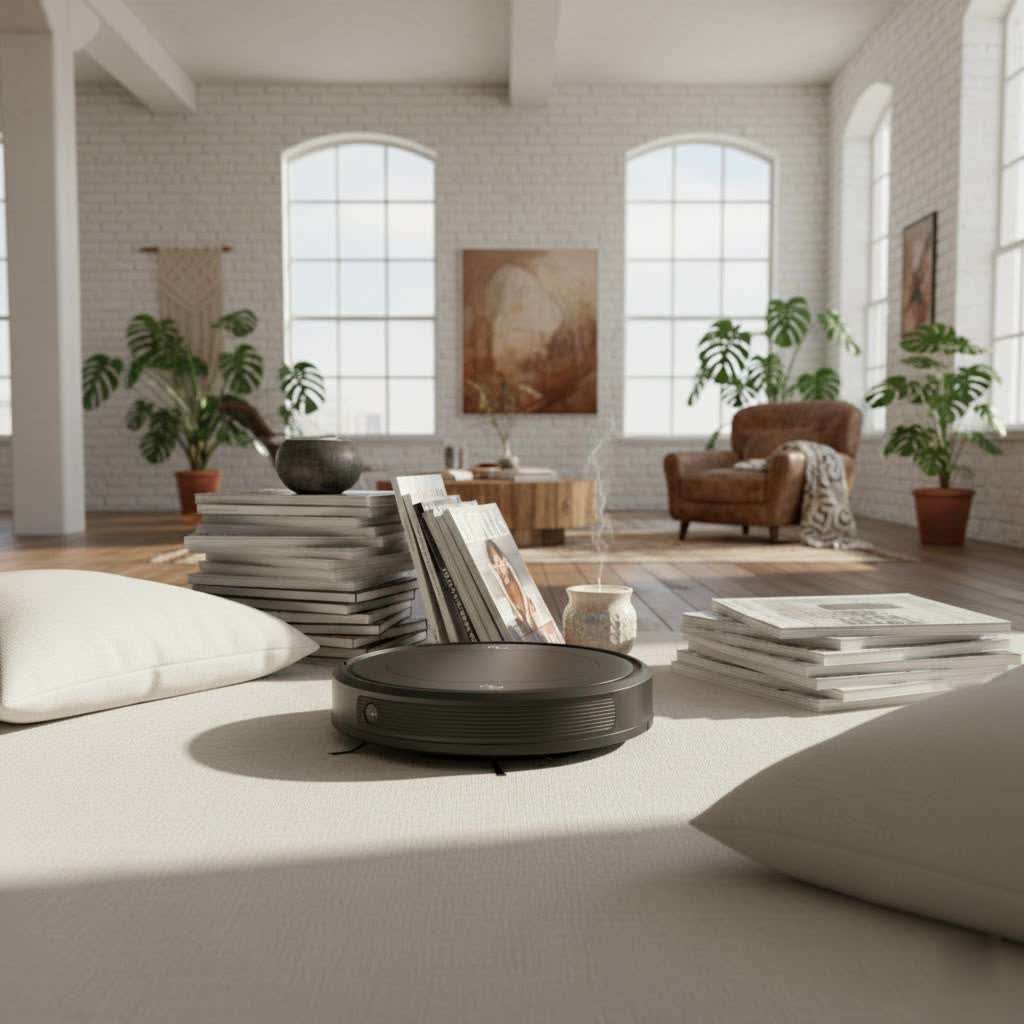
A robot vacuum mop is an advanced cleaning device designed to autonomously vacuum and mop your floors, integrating sensing, navigation, cleaning, and sometimes even automatic charging capabilities. Unlike traditional vacuum cleaners or mops that require constant human intervention, these robots use a combination of sensors, algorithms, and mechanical components to navigate your home, plan cleaning routes, and perform tasks without you having to lift a finger. They pick up dust, dirt, and pet hair, and then follow up with a mopping function, tackling sticky spills and grime.
The primary benefit of using a robot vacuum mop is the unparalleled convenience and time-saving it offers. Imagine coming home to clean floors every day, allowing you to reclaim valuable time for activities you love. These robots can be scheduled to clean at specific times, even when you’re away, ensuring continuous cleanliness. Compared to traditional cleaning methods, they provide consistent, daily upkeep that prevents dirt and dust from accumulating, contributing to a healthier living environment.
Before investing, consider your home’s layout, floor types, and specific cleaning needs. Factors like budget, the presence of pets, and desired smart features will guide your choice.
Popular Types of Vacuum Mop Robots on the Market
The robot vacuum mop market has evolved significantly, offering various types tailored to different needs and preferences. These devices can be classified based on their design, cleaning mechanisms, and advanced features.
One common distinction is by cleaning mechanism:
- Hybrid (2-in-1) Robots: These are the most popular, offering both vacuuming and mopping in one device. They typically vacuum first, then follow up with mopping, or perform both simultaneously.
- Dedicated Robot Mops: While less common for combination units, some robots specialize purely in mopping, leaving floors sparkling without the vacuuming component.
Key technological advancements further differentiate models:
- Self-Emptying Robot Vacuums: Many modern robot vacuum mops come with a self-emptying dock. After a cleaning session, the robot returns to its base, and the collected debris is automatically transferred into a larger bag or bin in the dock, reducing the frequency of manual dustbin emptying to weeks or even months. This significantly enhances the hands-free experience.
- Auto-Lifting Mop Pads: For homes with mixed flooring (hard floors and carpets), models with auto-lifting mop pads are crucial. These robots can detect carpets and automatically lift their mop pads to avoid wetting them while continuing to vacuum. Lift heights vary, with some premium models offering up to 20mm of lift, providing better protection for high-pile carpets.
- Robot Vacuums with Mopping Functionality and AI Obstacle Avoidance: Equipped with advanced sensors like LiDAR, vSLAM (visual Simultaneous Localization and Mapping), and sometimes even AI-powered cameras, these robots create precise maps of your home and identify and avoid obstacles such as pet waste, cords, and furniture. Some high-end models can even recognize over 200 objects and 40 types of stains, adjusting their cleaning strategy accordingly.
- Pet-Friendly Robot Vacuums: Designed for households with furry companions, these robots often feature stronger suction power, specialized tangle-free brushes (often rubberized), and larger dustbins to effectively manage pet hair and dander. Some also include features like liquid recognition to avoid pet accidents.
Each type offers distinct advantages. While self-emptying and mop-lifting models provide ultimate convenience for busy multi-surface homes, simpler hybrid models can still offer excellent daily maintenance for those on a tighter budget.
Detailed Comparison Table: Best Vacuum Mop Robots of 2024
Choosing the best robot vacuum mop can be challenging with so many options available. Here’s a comparison of some highly-rated models in 2024, highlighting their key specifications and features to help you make an informed decision:
| Brand | Model | Price (VNĐ) | Suction (Pa) | Run Time (min) | Notable Features |
|---|---|---|---|---|---|
| Roborock | Qrevo Curv | 18,000,000 | 18,500 | 180 | Auto-empty, auto-wash/dry mop, excellent navigation, high threshold crossing. |
| Ecovacs | Deebot X8 Pro Omni | 17,500,000 | 20,000 | 180+ | Roller mop, side brush/mop extension, auto detergent, AI obstacle avoidance, self-cleaning dock. |
| Dreame | L40 Ultra | 16,000,000 | 11,000+ | 180 | Extending mop pads/side brushes, fully featured dock, strong suction. |
| Eufy | Omni S2 | 19,000,000 | 30,000 | 150 | Electrolyzed water for sanitization, AI object/stain recognition, 1-inch threshold crossing. |
| iRobot | Roomba j9+ Combo | 15,500,000 | 1,700 | 75 | Dirt Detect technology, precision vision navigation, pet waste avoidance, auto-emptying. |
Note: Prices are approximate and can vary based on retailer and promotions.
How to Choose the Right Vacuum Mop Robot for Your Needs
Selecting the perfect robot vacuum mop involves a careful evaluation of your lifestyle, home environment, and desired features.
- Budget: Robot vacuum mops range widely in price, from entry-level models around 5,000,000 VNĐ to high-end devices exceeding 20,000,000 VNĐ. Determine how much you’re willing to spend, keeping in mind that more expensive models often offer superior navigation, suction, and convenience features like self-emptying docks.
- House Size and Layout: For larger homes, prioritize models with longer battery life (150+ minutes) to ensure it can complete a full cleaning cycle without needing to recharge. Smart mapping capabilities are also essential for efficient coverage in complex layouts, allowing the robot to remember floor plans and clean specific rooms.
- Floor Types: If your home has primarily hard floors (hardwood, tile, laminate), most robot vacuum mops will perform well. However, for homes with carpets and rugs, look for models with strong suction power (at least 6,000 Pa, with 10,000 Pa or more recommended for pet hair on carpet) and auto-lifting mop pads to prevent wetting your carpets during mopping. Rubberized main brushes are often better for both hard floors and pet hair.
- Presence of Pets: Pet owners should seek robot vacuum mops specifically designed for pet hair. These typically boast high suction power, tangle-free brush rolls (often rubber or a hybrid design), and larger dustbins or self-emptying docks to handle increased hair volume. Advanced object avoidance is also a plus to steer clear of pet accidents.
- Desired Features: Consider which smart features are most important to you.
- Self-emptying and Self-cleaning: For maximum convenience, look for docks that not only empty the dustbin but also wash and dry the mop pads.
- Navigation and Mapping: LiDAR or vSLAM systems offer precise navigation, efficient cleaning paths, and the ability to set virtual boundaries and no-go zones via an app.
- Mopping Effectiveness: Evaluate the mopping mechanism—spinning pads or roller mops tend to offer a more thorough scrub than simple drag-and-wipe systems. Hot water washing and hot air drying for mop pads prevent odors and bacteria growth.
- Smart Home Integration: Compatibility with voice assistants like Alexa or Google Assistant allows for hands-free control.
- Obstacle Avoidance: AI-powered obstacle detection helps prevent the robot from getting stuck or damaging itself or your belongings.
Top 5 Robot Vacuum Mops Popular Today
In today’s competitive market, several robot vacuum mop models stand out for their exceptional performance, innovative features, and user satisfaction.
- Roborock Qrevo Curv: This model is frequently praised for its robust vacuuming and impressive mopping capabilities, delivering up to 18,500 Pa of suction. It features excellent navigation, reliable obstacle avoidance, and a self-emptying and self-washing/drying dock, making it a truly hands-off solution. Its ability to cross high thresholds is also a significant advantage for homes with varying floor levels.
- Ecovacs Deebot X8 Pro Omni: An all-rounder, the Deebot X8 Pro Omni excels with a powerful 20,000 Pa suction and an effective roller mop that cleans itself. Its ability to extend side brushes and mop into corners ensures thorough edge cleaning. AI obstacle avoidance and automatic detergent dispensing further enhance its appeal, offering a comprehensive and smart cleaning experience.
- Dreame L40 Ultra: Known for its innovative design, the Dreame L40 Ultra boasts extending mop pads and side brushes that reach deep into edges and corners, areas often missed by other robots. It features strong suction and a fully equipped dock that handles self-emptying and mop maintenance, providing a high level of autonomy for busy households.
- Eufy Omni S2: This cutting-edge model offers an astonishing 30,000 Pa peak suction power and an innovative feature that electrolyzes tap water for sanitizing floors, killing 99.99% of common household germs. Its advanced AI can identify numerous objects and stains, intelligently adjusting its cleaning performance and path. The ability to cross 1-inch thresholds adds to its versatility.
- iRobot Roomba j9+ Combo: A trusted name in robot vacuums, the Roomba j9+ Combo combines powerful vacuuming with effective mopping. It’s particularly renowned for its precision vision navigation and superior pet waste avoidance, a critical feature for pet owners. The Clean Base Automatic Dirt Disposal ensures you don’t have to think about emptying the bin for weeks.
These models represent the pinnacle of current robot vacuum mop technology, each offering unique strengths to cater to different home cleaning needs.
Tips for Using and Maintaining Your Vacuum Mop Robot for Extended Lifespan
To ensure your robot vacuum mop continues to perform at its best for years to come, regular maintenance is key. Neglecting upkeep can lead to reduced suction, navigation issues, and a shorter lifespan.
Regular Cleaning Routine:
- Empty the Dustbin: For robots without self-emptying docks, empty the dustbin after every cleaning cycle to maintain optimal suction power. Even with self-emptying docks, occasionally check the robot’s internal dustbin.
- Clean Mop Pads: If your robot doesn’t have an auto-cleaning dock, manually wash the mop pads after each use with warm water and mild detergent. Allow them to air dry completely to prevent odors and the spread of dirt.
- Clean Brushes: Weekly, remove the main brush and side brushes. Use a cleaning tool or scissors to cut and remove any tangled hair, strings, or debris. Tangled brushes reduce cleaning efficiency and can strain the motor.
- Wipe Sensors: Use a dry, soft microfiber cloth to gently wipe all sensors (cliff sensors, navigation sensors, LiDAR sensor). Dirt or dust on sensors can impair navigation and obstacle avoidance.
- Check Wheels: Periodically inspect the wheels for tangled hair or debris. Clean them to ensure smooth movement and prevent the robot from getting stuck.
|
Our Picks for the Best Robot Vacuum in 2026
As an Amazon Associate I earn from qualifying purchases.
|
||
| Num | Product | Action |
|---|---|---|
| 1 | iRobot Roomba 105 Vac Robot Vacuum - Easy to use, Intense Power-Lifting Suction, LiDAR Navigation, Multi-Surface Cleaning, Cleans in Neat Rows, Self-Charging |

|
| 2 | eufy Robot Vacuum 11S MAX, Super Thin, Powerful Suction, Quiet, Self-Charging Robotic Vacuum Cleaner, Cleans Hard Floors to Medium-Pile Carpets, Black |
|
| 3 | Tikom Robot Vacuum and Mop, 6000Pa Robotic Vacuum Cleaner with Self-Emptying Base, 90 Days Capacity, LiDAR Navigation, Home Mapping, Ideal for Pet Hair, Hard Floors, Carpet (L8000 Plus) |
|
| 4 | ILIFE A30 Pro Robot Vacuum and Mop, Self Emptying Station for 60 Days, 5000Pa Suction, LiDAR Navigation, No-Go Zones, 2.4G WiFi/App/Alexa/Remote Control, Roller Brush for Carpet, Hard Floors, 110V |
|
| 5 | roborock Saros 10R Robot Vacuum and Mop, 22,000 Pa Suction, Zero-Tangling, 3.14’’ Ultra Slim, FlexiArm Riser Technology for Carpet & Floor, Corner & Edge Cleaning, Self-Emptying, Hot Air Drying, Black |
|
| 6 | Robot Vacuum and Mop Combo,Equipped with Wireless Touch Button, Vacuum Robot Vacuum Cleaner and mop Combination, Silent, Advanced Obstacle Avoidance Suitable for Home Tiles Robot Vacuum and (White) |
|
| 7 | eufy Robot Vacuum E25, HydroJet System with Roller Mop, 20,000 Pa Turbo Suction, All-in-One Robot Vacuum and Mop Combo, Edge-to-Corner Cleaning, Zero-Tangle Design, AI Obstacle Avoidance (Upgraded) |
|
| 8 | eufy C10 Robot Vacuum Self Emptying, 8 Weeks Hands Free, Advanced Smart Mapping with LiDAR Navigation, 2.85-Inch Slim Design, Powerful Suction, Edge Expansion Brush for Pet Hair, Carpet Detection |
|
| 9 | Tikom Robot Vacuum and Mop Combo, 5000Pa Robotic Vacuum Cleaner, 150 Min Max, App & Remote Control, Ideal for Hard Floor, Carpet, Pet Hair, Self-Charge(G8000 Max) |
|
| 10 | iRobot Roomba 105 Vac Robot Vacuum with AutoEmpty Dock - Self-Empties for 75 Days, Easy to use, Intense Power-Lifting Suction, LiDAR Navigation, Multi-Surface Cleaning, Cleans in Neat Rows |
|
Replacing Accessories:
- Filters: Clean or replace filters regularly according to the manufacturer’s recommendations (typically every 1-2 months for cleaning, every 3-6 months for replacement). Clogged filters drastically reduce suction power and air quality.
- Mop Pads and Brushes: Replace worn-out mop pads and brushes every few months, depending on usage. Frayed brushes or worn pads are less effective at cleaning.
Battery Care:
- Proper Charging: Allow your robot to complete full charging cycles. Keep the charging contacts on both the robot and the dock clean and free of grime to ensure a strong connection.
- Avoid Deep Discharge: Try not to let the battery completely drain frequently, as this can reduce its overall lifespan.
Troubleshooting Common Issues:
- Reduced Suction: Often caused by a full dustbin or clogged filter/brushes.
- Erratic Movement/Getting Stuck: Usually due to dirty sensors or debris in the wheels.
- Poor Mopping: Dirty mop pads or insufficient water in the tank can lead to streaky floors.
- Short Battery Life: Ensure proper charging and clean charging contacts.
Following these simple maintenance steps will keep your robot vacuum mop running efficiently, providing you with consistently clean floors and maximizing your investment.
“Investing in a robot vacuum mop was one of the best decisions for my busy family. It keeps our floors spotless daily, saving us so much time and effort.” – Sarah L., Robot Vacuum Owner
Conclusion
Robot vacuum mops have truly revolutionized home cleaning, offering an unparalleled level of convenience and efficiency. By seamlessly integrating vacuuming and mopping functions, these smart devices free up your valuable time, ensuring your floors remain consistently pristine. From advanced navigation and powerful suction to innovative self-cleaning docks and intelligent obstacle avoidance, today’s models cater to a wide range of needs and preferences. While considering factors like budget, home layout, and specific features, choosing the right robot vacuum mop can transform your daily routine.
Ready to experience the future of home cleaning? Explore the latest robot vacuum mop models and find the perfect companion to maintain a cleaner, healthier home with minimal effort. What feature are you most excited to see in your next robot vacuum mop?
Frequently Asked Questions
Which robot vacuum mop is best for homes with babies or allergies?
For homes with babies or allergy sufferers, prioritize robot vacuum mops with strong suction power (over 8,000 Pa), HEPA filtration systems to capture fine dust and allergens, and efficient mopping capabilities. Models with advanced obstacle avoidance are also beneficial to avoid toys or spills, ensuring a safer cleaning environment.
How often should a robot vacuum mop be run?
The ideal frequency depends on your home’s activity level, presence of pets, and floor types. For general maintenance, running your robot vacuum mop daily or every other day is often recommended to prevent dust and debris buildup. In homes with pets or high traffic, daily use of the vacuum function and several times a week for mopping can keep floors consistently clean.
