Imagine a home where sparkling clean floors are a daily reality, yet you rarely lift a finger for vacuuming. This isn’t a futuristic dream; it’s the convenience offered by the latest generation of self-emptying robot vacuums. For years, robot vacuums promised automation, but the constant need to empty their small dustbins often felt like trading one chore for another. Now, with innovative self-emptying technology, that last manual step has largely been eliminated, offering a truly hands-off cleaning experience.
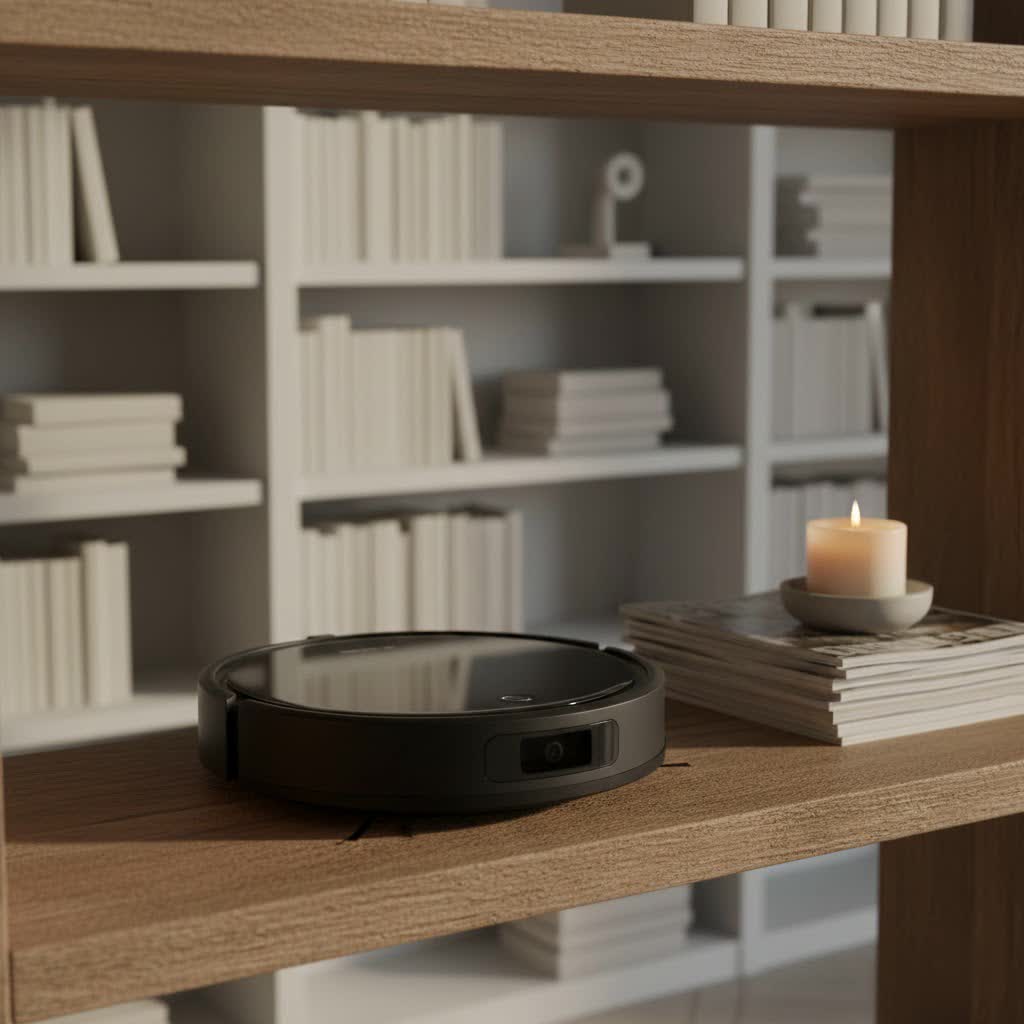
This comprehensive guide will walk you through everything you need to know about self-emptying robot vacuums, from how they work to choosing the perfect model for your lifestyle. We’ll explore their benefits, popular types, and delve into detailed insights on top models, helping you reclaim your time and enjoy consistently cleaner floors.
What is a Self-Emptying Robot Vacuum? Why Do You Need One?
A self-emptying robot vacuum is an advanced cleaning device that automatically transfers the dirt, dust, and debris it collects from its internal dustbin into a larger capacity container located within its charging dock. When the robot concludes a cleaning cycle or its internal bin reaches capacity, it autonomously returns to its base, where a powerful suction mechanism pulls the accumulated debris into a sealed bag or a larger bagless bin in the station. This innovative system significantly reduces the frequency of manual intervention, transforming daily dustbin emptying into a task you might only need to perform every 30 to 90 days, depending on usage and base station design.
The primary appeal of these machines lies in their unparalleled convenience. For busy individuals, pet owners, or those with allergies, the benefits are substantial:
- Uninterrupted Cleaning: The robot can complete multiple cleaning sessions without needing human assistance to empty its bin, ensuring continuous performance across larger homes or during extended cleaning schedules.
- Enhanced Hygiene: The sealed dust bags or enclosed bins within the base station minimize exposure to dust, pet dander, and other allergens, making it a game-changer for allergy sufferers.
- Time-Saving Automation: By automating the most frequent maintenance task, these robots free up valuable time, allowing you to focus on more important activities or simply relax.
- Consistent Suction Power: Regular robot vacuums can lose efficiency as their dustbins fill. Self-emptying models maintain optimal suction by offloading debris, ensuring thorough cleaning every time.
While the initial investment for a self-emptying robot vacuum is typically higher than for traditional models, the long-term benefits in terms of convenience, hygiene, and time-saving often make them a worthwhile upgrade for modern households.
Types of Self-Emptying Robot Vacuums On the Market
The market for self-emptying robot vacuums has diversified significantly, offering models tailored to various needs and preferences. These can broadly be categorized by their core functionalities and design philosophies:
- Vacuum-Only Self-Emptying Robots: These are dedicated to dry vacuuming and automatically dispose of collected debris. They are ideal for homes with predominantly carpeted floors or those who prefer to mop separately. Their design is often simpler, focusing solely on powerful suction and efficient dirt collection.
- 2-in-1 Vacuum and Mop Hybrids with Self-Emptying: These versatile robots offer both vacuuming and mopping capabilities. The self-emptying feature handles the dry debris, while many advanced models also include features like automatic mop washing and drying, water refilling, and even detergent dispensing at their base stations. This offers a comprehensive floor cleaning solution, saving even more manual effort.
- Pet-Focused Self-Emptying Robots: Designed with furry friends in mind, these models often boast stronger suction power, specialized tangle-free brush rolls to handle pet hair, and advanced obstacle avoidance technology that can cleverly navigate around pet toys or even accidental pet waste. Their larger dustbin capacities in the base are also a plus for homes with heavy shedding.
- Compact Self-Emptying Robots: For smaller apartments or homes with tight spaces, compact self-emptying models offer a smaller footprint without sacrificing the convenience of automatic dirt disposal. While they may have smaller internal dustbins or less powerful mopping features, their maneuverability and ability to fit into narrow areas are significant advantages.
Each type comes with its own set of advantages. Vacuum-only models might offer maximum suction for carpets, while 2-in-1 hybrids provide unparalleled hands-off convenience for both hard floors and carpets. Pet-focused models address specific challenges, and compact versions are perfect for optimizing cleaning in smaller living environments.
Top Self-Emptying Robot Vacuums: Detailed Insights
Choosing the best self-emptying robot vacuum depends on your specific needs, from floor types to budget. Here’s a closer look at some top models, highlighting their strengths and ideal users:
Ecovacs Deebot X8 Pro Omni: The Ultimate Hybrid Cleaner
|
Our Picks for the Best Robot Vacuum in 2026
As an Amazon Associate I earn from qualifying purchases.
|
||
| Num | Product | Action |
|---|---|---|
| 1 | eufy Robot Vacuum 11S MAX, Super Thin, Powerful Suction, Quiet, Self-Charging Robotic Vacuum Cleaner, Cleans Hard Floors to Medium-Pile Carpets, Black |

|
| 2 | eufy Robot Vacuum E25, HydroJet System with Roller Mop, 20,000 Pa Turbo Suction, All-in-One Robot Vacuum and Mop Combo, Edge-to-Corner Cleaning, Zero-Tangle Design, AI Obstacle Avoidance (Upgraded) |
|
| 3 | ILIFE A30 Pro Robot Vacuum and Mop, Self Emptying Station for 60 Days, 5000Pa Suction, LiDAR Navigation, No-Go Zones, 2.4G WiFi/App/Alexa/Remote Control, Roller Brush for Carpet, Hard Floors, 110V |
|
| 4 | eufy C10 Robot Vacuum Self Emptying, 8 Weeks Hands Free, Advanced Smart Mapping with LiDAR Navigation, 2.85-Inch Slim Design, Powerful Suction, Edge Expansion Brush for Pet Hair, Carpet Detection |
|
| 5 | Robot Vacuum and Mop Combo,Equipped with Wireless Touch Button, Vacuum Robot Vacuum Cleaner and mop Combination, Silent, Advanced Obstacle Avoidance Suitable for Home Tiles Robot Vacuum and (White) |
|
| 6 | iRobot Roomba 105 Vac Robot Vacuum with AutoEmpty Dock - Self-Empties for 75 Days, Easy to use, Intense Power-Lifting Suction, LiDAR Navigation, Multi-Surface Cleaning, Cleans in Neat Rows |
|
| 7 | roborock Saros 10R Robot Vacuum and Mop, 22,000 Pa Suction, Zero-Tangling, 3.14’’ Ultra Slim, FlexiArm Riser Technology for Carpet & Floor, Corner & Edge Cleaning, Self-Emptying, Hot Air Drying, Black |
|
| 8 | Tikom Robot Vacuum and Mop Combo, 5000Pa Robotic Vacuum Cleaner, 150 Min Max, App & Remote Control, Ideal for Hard Floor, Carpet, Pet Hair, Self-Charge(G8000 Max) |
|
| 9 | iRobot Roomba 105 Vac Robot Vacuum - Easy to use, Intense Power-Lifting Suction, LiDAR Navigation, Multi-Surface Cleaning, Cleans in Neat Rows, Self-Charging |
|
| 10 | Tikom Robot Vacuum and Mop, 6000Pa Robotic Vacuum Cleaner with Self-Emptying Base, 90 Days Capacity, LiDAR Navigation, Home Mapping, Ideal for Pet Hair, Hard Floors, Carpet (L8000 Plus) |
|
The Ecovacs Deebot X8 Pro Omni is a top-tier 2-in-1 robot that excels at both vacuuming and mopping. It boasts an impressive 18,000Pa suction power, capable of tackling deep-seated dirt and debris. Its innovative roller mop design minimizes cross-contamination, and the side brush and mop extend into corners for thorough cleaning. The X8 Pro Omni’s base station is a marvel of self-maintenance, not only emptying the dustbin but also washing and drying the mop pads, refilling the robot’s water tank, and even cleaning its own mop washing tray. It also functions as a roving home security camera and features a built-in voice assistant (Yiko) for easy control. This model is ideal for meticulous cleaners and pet owners who want an almost entirely hands-off solution, even offering obstacle avoidance to navigate around pet toys.
iRobot Roomba j9+: Best for Pet Accident Avoidance
The iRobot Roomba j9+ stands out for its intelligent navigation and pet-friendly features. It offers strong suction power and features a Pet Owner Official Promise (POOP) guarantee, ensuring it avoids solid pet waste within a year of purchase. Equipped with a built-in camera and machine learning, it expertly recognizes and routes around obstacles. Its self-emptying base collects up to 60 days of debris in an allergen-sealed bag, minimizing contact with dust. The j9+ is perfect for pet owners seeking reliable obstacle avoidance and Roomba enthusiasts looking for robust vacuuming performance and smart home integration.
TP-Link Tapo RV30 Max Plus: The Best Budget-Friendly Option
For those seeking self-emptying convenience without a hefty price tag, the TP-Link Tapo RV30 Max Plus is an excellent choice. This model combines effective vacuuming and mopping with LiDAR navigation and a self-emptying base that can hold up to two months of debris. It performs well in particle pickup tests and supports virtual walls, scheduling, and voice control via Alexa and Google Assistant. While its mopping might not be as aggressive as premium models, it offers systematic and thorough cleaning, making it ideal for first-time buyers and budget-conscious shoppers who want core self-emptying functionality.
Dreame X30 Ultra: Pinnacle of Self-Maintenance
The Dreame X30 Ultra pushes the boundaries of robot vacuum autonomy. Beyond self-emptying, it can automatically remove, install, wash, and dry its mop pads, and even cleans its own washboard within the base station. Its mop arms extend 1.57 inches to reach deep into corners, and a unique feature allows the robot to remove its mop pads entirely when cleaning high-pile carpets, preventing them from getting wet. With 8,300Pa suction on carpets, it’s a powerhouse for dry debris. This model is perfect for maintenance-avoiders and those with precious rugs who demand the highest level of self-sufficiency and carpet protection.
How to Choose the Right Self-Emptying Robot Vacuum for Your Needs
Selecting the ideal self-emptying robot vacuum involves evaluating several factors against your household’s specific requirements. Consider these key aspects to make an informed decision:
- Budget: Self-emptying robot vacuums range widely in price. Determine how much you’re willing to invest. While budget models offer basic self-emptying, higher-end units provide advanced navigation, superior cleaning performance, and extensive self-maintenance features like automatic mop washing and drying.
- Home Size and Layout: For larger homes, prioritize models with longer battery life (e.g., 120+ minutes) and efficient mapping systems to ensure full coverage. Multi-level homes will benefit from robots that can store multiple maps and climb higher thresholds.
- Floor Types: If you have mostly hard floors, models with good mopping capabilities are advantageous. For homes with significant carpeting, look for strong suction power (over 2500Pa is a good benchmark, but functional airflow is also key) and self-lifting or removable mop pads to prevent wetting carpets.
- Presence of Pets: Pet owners should seek models with powerful suction to handle hair, tangle-free brush rolls, and advanced obstacle avoidance to navigate around pet toys or accidents. Models with a pet waste evasion guarantee offer extra peace of mind.
- Desired Features:
- Mopping Functionality: Do you need a 2-in-1 vacuum and mop? Do you want features like auto mop washing, drying, and water refilling?
- Navigation and Mapping: LiDAR or AI-powered navigation creates accurate maps for efficient cleaning, allowing for virtual boundaries and no-go zones.
- Obstacle Avoidance: Crucial for cluttered homes, some robots can identify and avoid small objects like cables and socks.
- Smart Home Integration: App control, scheduling, and voice assistant compatibility (Alexa, Google Assistant) offer seamless integration into your smart home ecosystem.
- Noise Level: While the emptying process can be loud, check reviews for the robot’s operational noise during regular cleaning if quietness is a priority.
- Maintenance Considerations (Bagged vs. Bagless): Most self-emptying docks use sealed dust bags, which are hygienic but incur recurring costs. Some brands like Shark offer bagless systems, eliminating bag purchases but requiring manual emptying of the larger bin, which might expose you to allergens.
By carefully assessing these factors, you can narrow down your options and select a self-emptying robot vacuum that truly simplifies your cleaning routine.
Tips for Using and Maintaining Your Self-Emptying Robot Vacuum to Maximize Lifespan
To ensure your self-emptying robot vacuum continues to perform optimally and serves you for years, regular maintenance is key. While these devices are designed for convenience, a little attention goes a long way:
- Regular Cleaning of Robot Components: Even with self-emptying capabilities, the robot’s internal components need occasional manual cleaning.
- Brushes: Detangle hair and debris from the main brush roll and side brushes regularly. Many modern robots feature anti-tangle designs, but occasional checks are still necessary.
- Filters: Clean or replace the robot’s internal filter according to the manufacturer’s recommendations. This is crucial for maintaining suction power and air quality.
- Sensors: Wipe down the robot’s cliff sensors and navigation sensors with a dry cloth to prevent errors and ensure efficient movement.
- Emptying or Replacing the Base Station Dust Bag/Bin:
- Bagged Systems: When the dust bag in the base station is full (typically every 30-90 days), the robot’s app will usually alert you. Simply remove the sealed bag and replace it with a new one. Investing in official replacement bags is often recommended for proper fit and sealing.
- Bagless Systems: If your model has a bagless base (like some Shark models), you’ll need to manually empty the larger dustbin in the base station, usually once a month.
- Battery Care: To prolong battery life, avoid letting the robot’s battery completely drain too often. Allow it to return to its charging dock after each cleaning cycle. If you plan to store the robot for an extended period, ensure it is fully charged and store it in a cool, dry place.
- Mop Pad Maintenance (for 2-in-1 models): If your robot mops, regularly clean or replace the mop pads. For models with self-washing bases, ensure the water tanks are filled and the dirty water tank is emptied. Clean the mop washing tray in the base periodically to prevent gunk buildup.
- Troubleshooting Common Issues: Familiarize yourself with basic troubleshooting. Common issues like a robot getting stuck, navigation errors, or reduced suction can often be resolved by clearing obstructions, cleaning sensors, or checking the app for specific error codes.
Adhering to these maintenance tips will keep your self-emptying robot vacuum performing at its best, providing you with a consistently clean home with minimal effort.
“A self-emptying robot vacuum isn’t just about cleaning; it’s about reclaiming your time and peace of mind. It’s a true set-it-and-forget-it solution that simplifies daily life.”
Conclusion
The evolution of robot vacuums to include self-emptying capabilities represents a significant leap forward in home automation. These intelligent devices offer a level of convenience and hygiene previously unimaginable, transforming the mundane task of floor cleaning into an almost entirely hands-free experience. By automatically disposing of collected debris, they free you from daily dustbin emptying, minimize exposure to allergens, and ensure consistent cleaning performance.
Whether you’re battling pet hair, managing a busy schedule, or simply seeking a smarter way to maintain a spotless home, a self-emptying robot vacuum offers a compelling solution. From versatile 2-in-1 vacuum and mop hybrids to budget-friendly options and models designed for ultimate self-maintenance, there’s a perfect device to match every need and preference. By understanding their features and investing a little time in maintenance, you can enjoy beautifully clean floors with unparalleled ease.
Are you ready to experience the next level of effortless home cleaning?
Frequently Asked Questions
Which self-emptying robot vacuum is best for homes with babies or allergy sufferers?
For homes with babies or allergy sufferers, models with robust filtration systems (like HEPA-certified filters) and sealed dust bags in the self-emptying base are highly recommended. Features like advanced obstacle avoidance (e.g., pet waste evasion) are also beneficial for safety. Look for models that emphasize strong suction to capture allergens effectively, such as the iRobot Roomba j9+ or certain Ecovacs Deebot models.
How often do I need to replace the dust bag in a self-emptying robot vacuum’s base station?
The frequency of replacing the dust bag in a self-emptying base station typically ranges from every 30 to 90 days. This largely depends on factors such as how often the robot cleans, the size of your home, and the amount of debris (e.g., pet hair, dust) it collects. The robot’s companion app will usually notify you when the bag is full and needs replacement.
Can self-emptying robot vacuums also mop?
Yes, many high-end self-emptying robot vacuums are 2-in-1 hybrid models that can both vacuum and mop. Beyond self-emptying for dry debris, some advanced docking stations also feature automatic mop washing and drying, water tank refilling, and even detergent dispensing, providing a comprehensive hands-free floor cleaning experience.
