Imagine a clean home without the constant hum or whir of a traditional vacuum interrupting your work, sleep, or family time. For years, powerful cleaning often meant noisy disruption. However, with remarkable advancements in smart home technology, the quiet robot vacuum has emerged as a game-changer, offering a serene solution to daily cleaning. If you’re tired of sacrificing peace for pristine floors, this comprehensive guide will help you navigate the world of silent cleaning companions, ensuring you choose the best robot vacuum to maintain tranquility in your living space.
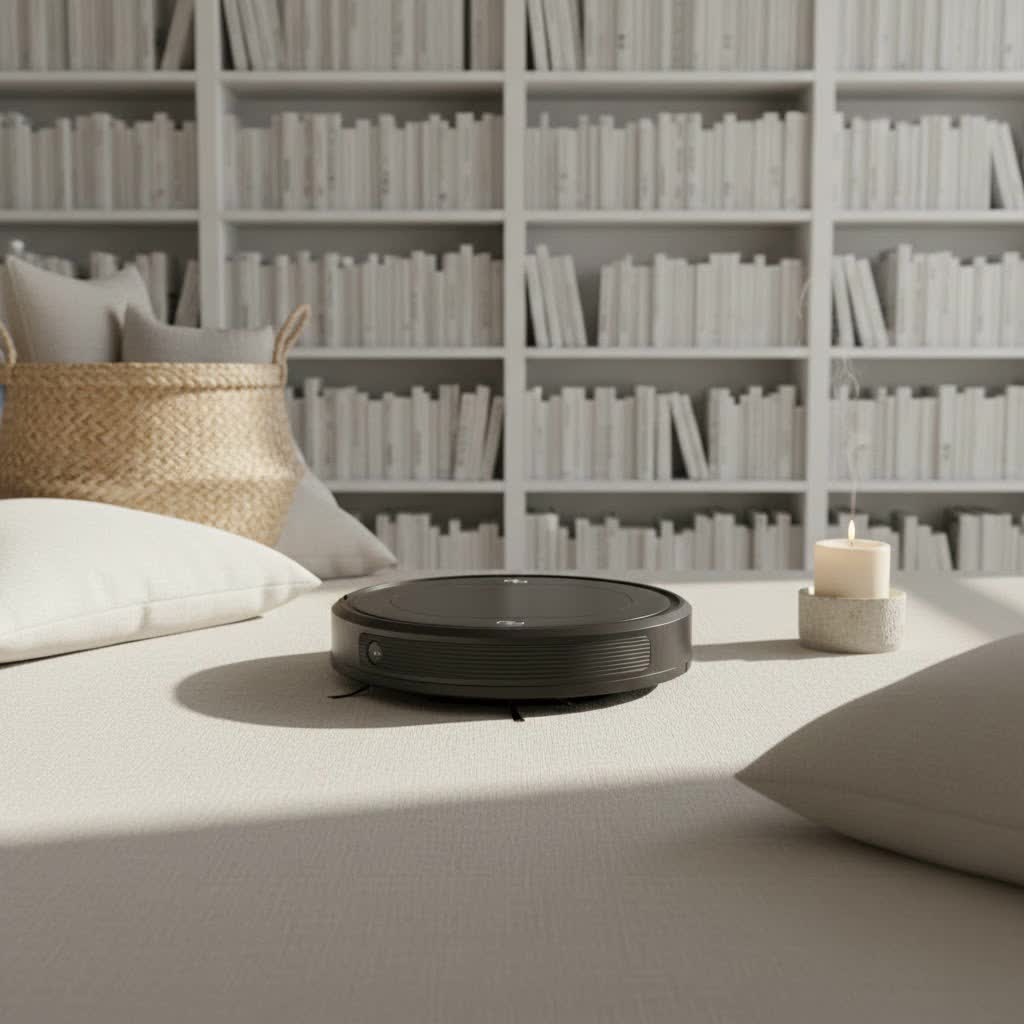
What is a Quiet Robot Vacuum? Why You Need One?
|
Our Picks for the Best Robot Vacuum in 2026
As an Amazon Associate I earn from qualifying purchases.
|
||
| Num | Product | Action |
|---|---|---|
| 1 | eufy Robot Vacuum E25, HydroJet System with Roller Mop, 20,000 Pa Turbo Suction, All-in-One Robot Vacuum and Mop Combo, Edge-to-Corner Cleaning, Zero-Tangle Design, AI Obstacle Avoidance (Upgraded) |

|
| 2 | Tikom Robot Vacuum and Mop, 6000Pa Robotic Vacuum Cleaner with Self-Emptying Base, 90 Days Capacity, LiDAR Navigation, Home Mapping, Ideal for Pet Hair, Hard Floors, Carpet (L8000 Plus) |
|
| 3 | eufy Robot Vacuum 11S MAX, Super Thin, Powerful Suction, Quiet, Self-Charging Robotic Vacuum Cleaner, Cleans Hard Floors to Medium-Pile Carpets, Black |
|
| 4 | roborock Saros 10R Robot Vacuum and Mop, 22,000 Pa Suction, Zero-Tangling, 3.14’’ Ultra Slim, FlexiArm Riser Technology for Carpet & Floor, Corner & Edge Cleaning, Self-Emptying, Hot Air Drying, Black |
|
| 5 | ILIFE A30 Pro Robot Vacuum and Mop, Self Emptying Station for 60 Days, 5000Pa Suction, LiDAR Navigation, No-Go Zones, 2.4G WiFi/App/Alexa/Remote Control, Roller Brush for Carpet, Hard Floors, 110V |
|
| 6 | Robot Vacuum and Mop Combo,Equipped with Wireless Touch Button, Vacuum Robot Vacuum Cleaner and mop Combination, Silent, Advanced Obstacle Avoidance Suitable for Home Tiles Robot Vacuum and (White) |
|
| 7 | iRobot Roomba 105 Vac Robot Vacuum - Easy to use, Intense Power-Lifting Suction, LiDAR Navigation, Multi-Surface Cleaning, Cleans in Neat Rows, Self-Charging |
|
| 8 | eufy C10 Robot Vacuum Self Emptying, 8 Weeks Hands Free, Advanced Smart Mapping with LiDAR Navigation, 2.85-Inch Slim Design, Powerful Suction, Edge Expansion Brush for Pet Hair, Carpet Detection |
|
| 9 | iRobot Roomba 105 Vac Robot Vacuum with AutoEmpty Dock - Self-Empties for 75 Days, Easy to use, Intense Power-Lifting Suction, LiDAR Navigation, Multi-Surface Cleaning, Cleans in Neat Rows |
|
| 10 | Tikom Robot Vacuum and Mop Combo, 5000Pa Robotic Vacuum Cleaner, 150 Min Max, App & Remote Control, Ideal for Hard Floor, Carpet, Pet Hair, Self-Charge(G8000 Max) |
|
A quiet robot vacuum is precisely what it sounds like: an autonomous cleaning device designed to operate with minimal noise output. While traditional upright vacuums often blare at 70-80 decibels (dB), making conversation difficult, a truly quiet robot vacuum typically operates below 60 dB, often in the 40-55 dB range, akin to a soft hum or a normal conversation.
The benefits of integrating a quiet robot vacuum into your home are numerous. For households with remote workers, young children, or pets, a low-noise cleaner ensures daily routines remain undisturbed. It allows for flexible cleaning schedules, even late at night or early in the morning, without startling pets or waking sleeping babies. This unobtrusive nature means you can enjoy a clean home environment without sacrificing your peace and quiet. Before investing, consider your specific needs: do you prioritize absolute silence over maximum suction, or are you seeking a balanced blend of both?
Understanding Robot Vacuum Noise Levels (dB Explained)
To truly appreciate a quiet robot vacuum, it’s essential to understand what decibels (dB) represent. Decibels measure sound intensity, with higher numbers indicating louder noise. For perspective:
- 30 dB: A whisper
- 40-50 dB: A quiet office or refrigerator hum
- 60 dB: A normal conversation or ambient street noise
- 70-80 dB: A traditional upright vacuum cleaner, or a ringing telephone
- 85 dB: Prolonged exposure can lead to hearing damage
Most robot vacuums operate between 55 and 70 dB during their primary vacuuming mode. However, models specifically engineered for quietness can dip into the low 50s, or even as low as 43 dB for certain specialized models.
It’s important to note that noise levels can vary depending on the cleaning function. While standard vacuuming might be quiet, the powerful suction required for self-emptying docks can momentarily spike noise levels to 70-81 dB, though these bursts typically last only 5-15 seconds. Similarly, integrated mopping functions or brush roll activity can also contribute to the overall sound, often ranging from 60-67 dB for mop pad cleaning.
Factors That Contribute to a Robot Vacuum’s Quiet Operation
Several engineering and design choices contribute to a robot vacuum’s ability to operate silently:
- Brushless Motors: Unlike older brushed motors, brushless motors generate less friction and heat, resulting in significantly quieter operation and improved durability. This technology is a hallmark of high-quality, low-noise models.
- Noise Reduction Design: Manufacturers often incorporate soundproofing materials, optimized airflow pathways, and vibration-dampening components into the vacuum’s construction. These elements work in concert to absorb and minimize audible impact.
- Anti-Tangle Technology: Hair and debris entanglement around brush rolls can cause motors to strain, leading to increased noise. Advanced anti-tangle brush designs prevent this issue, ensuring consistent and quiet performance, especially in homes with pets.
- Efficient Navigation and Obstacle Detection: Robots with sophisticated navigation systems (like LiDAR or AI obstacle avoidance) move more smoothly and deliberately, reducing collisions and abrupt movements that generate jarring noises. This intelligent movement ensures a quieter, more efficient cleaning path.
- Floor Type Impact: The surface being cleaned also influences perceived noise. Hard surfaces like tile or hardwood can amplify sound, while carpets and rugs tend to muffle it, making the vacuum seem quieter.
Comparison Table: Top Quiet Robot Vacuums of 2024/2025
Choosing the perfect quiet robot vacuum often involves balancing noise levels with cleaning power and features. Here’s a comparison of some top contenders known for their hushed performance:
| Brand | Model | Noise Level (dB) | Suction (Pa) | Key Features | Estimated Price |
|---|---|---|---|---|---|
| Narwal | S20 Pro | 43 | 12,000 | Dual self-cleaning rollers, AI DirtSense | Mid-range |
| Eufy | Auto-Empty C10 | 51 | 4,000 | 60-day auto-empty bin, ultra-slim, point-laser nav | Mid-range |
| Narwal | Freo Z Ultra | 53 | 12,000 | Vacuum & mop, self-cleaning, AI obstacle detection | Premium |
| Eufy | RoboVac G30 | 55 | 2,000 | BoostIQ Technology, Smart Dynamic Navigation | Budget-Mid |
| Ecovacs | Deebot OZMO T8 AIVI | 58 | 1,500 | Vacuum & mop, AI obstacle detection, camera | Premium |
| Roborock | S8 Max Ultra | 58 | (High) | Sonic mopping, anti-tangle brushes, self-cleaning dock | Premium |
| SwitchBot | Mini Robot Vacuum K10+ | 48 | (Moderate) | Smallest size, auto-empty dock, smart mapping | Mid-range |
Note: Suction power (Pa) and specific noise levels can vary based on cleaning mode and floor type. Prices are estimates and subject to change.
How to Choose the Right Quiet Robot Vacuum for Your Needs
Selecting the ideal quiet robot vacuum requires a thoughtful assessment of your household’s specific demands:
- Budget: Determine your comfort zone for spending. Entry-level quiet models offer basic functionality at lower noise levels, while premium options provide advanced features, higher suction, and even quieter operation.
- Home Size and Layout: For larger homes, look for robots with longer battery life and efficient mapping systems to ensure thorough coverage. Smaller spaces might benefit from more compact, agile models.
- Floor Types: If your home has a mix of hard floors and carpets, choose a robot that can automatically adjust suction power and brush height for optimal cleaning on both. Carpeted areas tend to muffle noise, while hard floors may amplify it.
- Pets and Children: Households with pets often need stronger suction and specialized anti-tangle brushes to handle hair effectively. The quietness is crucial here to avoid disturbing sensitive family members.
- Desired Features: Prioritize features that enhance convenience and address your pain points. Do you need a self-emptying bin to minimize interaction? A mopping function for hard floors? App control, voice commands, and “no-go zones” add to a seamless user experience.
- Real-World Noise Performance: Lab-tested decibel ratings are a good starting point, but real-world conditions with pet hair, thresholds, and varying floor types can impact actual noise. Look for reviews that specifically mention quiet performance in diverse home environments.
Top 5 Quiet Robot Vacuums Reviewed
Based on their balance of quiet operation, cleaning performance, and innovative features, here are five highly-regarded quiet robot vacuums:
- Narwal S20 Pro: At an astonishing 43 dB, the Narwal S20 Pro is a leader in quiet cleaning. It features dual self-cleaning rollers and an AI DirtSense system that intelligently adjusts suction to minimize noise. Its focus on low-noise hard floor cleaning makes it ideal for apartments or open-plan living where peace is paramount.
- Pros: Exceptionally quiet, strong suction, dual self-cleaning rollers.
- Cons: Primarily focused on hard floors, may not be as robust on thick carpets.
- Eufy Auto-Empty C10: Operating at just 51 dB, the Eufy C10 combines quiet efficiency with smart convenience. Its ultra-slim design allows it to navigate under low furniture, and a large 3L self-emptying dust bag reduces maintenance to once every 60 days. With 4,000 Pa suction and laser navigation, it delivers powerful yet hushed cleaning.
- Pros: Very quiet, convenient self-emptying, slim profile, good suction.
- Cons: Self-emptying bin can be briefly loud.
- Roborock S8 Max Ultra: This premium model boasts a quiet operation around 58 dB on hard floors and maintains its low noise even on rugs, thanks to its advanced anti-tangle brushes and sealed housing. It offers sonic mopping, powerful vacuuming, and a comprehensive self-cleaning dock, making it a powerful and discreet choice for pet owners.
- Pros: Excellent for pet hair, maintains quiet on carpets, advanced mopping, full-featured dock.
- Cons: Higher price point, self-emptying/mop cleaning cycles can be noisy.
- Ecovacs Deebot OZMO T8 AIVI: With a noise level of 58 dB, the T8 AIVI offers a harmonious blend of vacuuming and mopping. It features AI obstacle detection and smart navigation, allowing it to move efficiently and quietly around your home while delivering powerful cleaning. Its 2-in-1 functionality is a space-saving bonus.
- Pros: Quiet operation, vacuum and mop combo, AI obstacle avoidance, smart mapping.
- Cons: Suction power slightly lower than some competitors.
- SwitchBot Mini Robot Vacuum K10+: This compact model is known for its whisper-quiet 48 dB operation, making it one of the most silent options available. Its small stature allows it to clean tight spaces and under low furniture with ease. Despite its size, it includes smart mapping and an auto-empty dock for convenience.
- Pros: Extremely quiet, very compact for small spaces, convenient auto-empty dock.
- Cons: Smaller dustbin capacity, potentially less suited for very large homes or deep pile carpets.
Tips for Using and Maintaining Your Quiet Robot Vacuum To Extend Its Lifespan
To ensure your quiet robot vacuum continues to operate at its best (and quietest) for years to come, regular maintenance is key:
- Routine Cleaning: Regularly empty the dustbin, clean or replace filters, and remove any hair or debris tangled in the main and side brushes. Clogged components can strain the motor, increasing noise.
- Replace Accessories: Filters, brushes, and mopping pads wear out over time. Replace them according to the manufacturer’s recommendations (typically every 3-6 months) to maintain optimal cleaning performance and reduce operational noise.
- Battery Care: Follow charging guidelines. Avoid letting the battery fully drain too often, and store the robot in a cool, dry place when not in use to prolong battery life.
- Troubleshooting Noise: If your robot suddenly becomes loud, check for blockages in the suction path or around the brushes. Ensure all parts are securely fitted. A common cause of increased noise is debris caught in the wheels or brush roll.
- Strategic Scheduling: Utilize your robot’s scheduling features. Running it when you’re out of the house ensures a clean home without any perceived noise, even if it operates at slightly higher dB levels.
“A quiet robot vacuum has been a revelation for my home. I can run it during my work calls without any disruption, and my pets are no longer startled by cleaning cycles. It truly brings peace to my daily routine.” – Sarah L., Robot Vacuum User
Conclusion
The quest for a truly quiet robot vacuum is no longer a futuristic dream but a tangible reality for modern homeowners. By understanding decibel levels, recognizing the engineering that enables silent operation, and choosing a model that aligns with your specific needs, you can transform your cleaning experience. Investing in a quiet robot vacuum means more than just spotless floors; it’s an investment in the tranquility and comfort of your home. Ready to embrace a new era of peaceful cleaning? Which quiet robot vacuum will become your next silent cleaning hero?
Frequently Asked Questions
Is a quiet robot vacuum less powerful?
Not necessarily. Modern quiet robot vacuums, especially those with brushless motors and optimized airflow designs, are engineered to balance strong suction power with low noise levels. Many models can achieve impressive cleaning results without being disruptive.
What decibel level is considered quiet for a robot vacuum?
A robot vacuum is generally considered quiet if it operates below 60 dB, which is comparable to a normal conversation. Some premium models can even achieve whisper-quiet levels below 50 dB.
Can I run a quiet robot vacuum at night?
Yes, many quiet robot vacuums are specifically designed for nighttime operation. Their low noise levels, often below 55 dB, mean they can clean while you sleep without causing disturbances.
Why are self-emptying docks so loud?
Self-emptying docks are typically loud (70-81 dB) because they use powerful suction to quickly transfer debris from the robot’s dustbin to a larger bag or bin. While intense, this noise is very brief, usually lasting only 5 to 15 seconds.
What’s the best quiet robot vacuum for pet hair?
For pet hair, look for quiet robot vacuums with strong suction (high Pa), tangle-resistant or anti-tangle brush rolls, and effective filtration systems. Models like the Roborock S8 Max Ultra are engineered to manage pet hair effectively while maintaining low noise levels, even on carpets.
