In the dynamic world of facility management, maintaining cleanliness in large commercial spaces can be a significant challenge. Manual cleaning is labor-intensive and time-consuming, while traditional vacuums offer limited autonomy. This is where the Makita robot vacuum steps in, offering a robust, industrial-grade solution designed to automate cleaning tasks and dramatically boost productivity in demanding environments. For businesses seeking to optimize their cleaning operations, understanding the unique capabilities of Makita’s robotic cleaners is crucial.
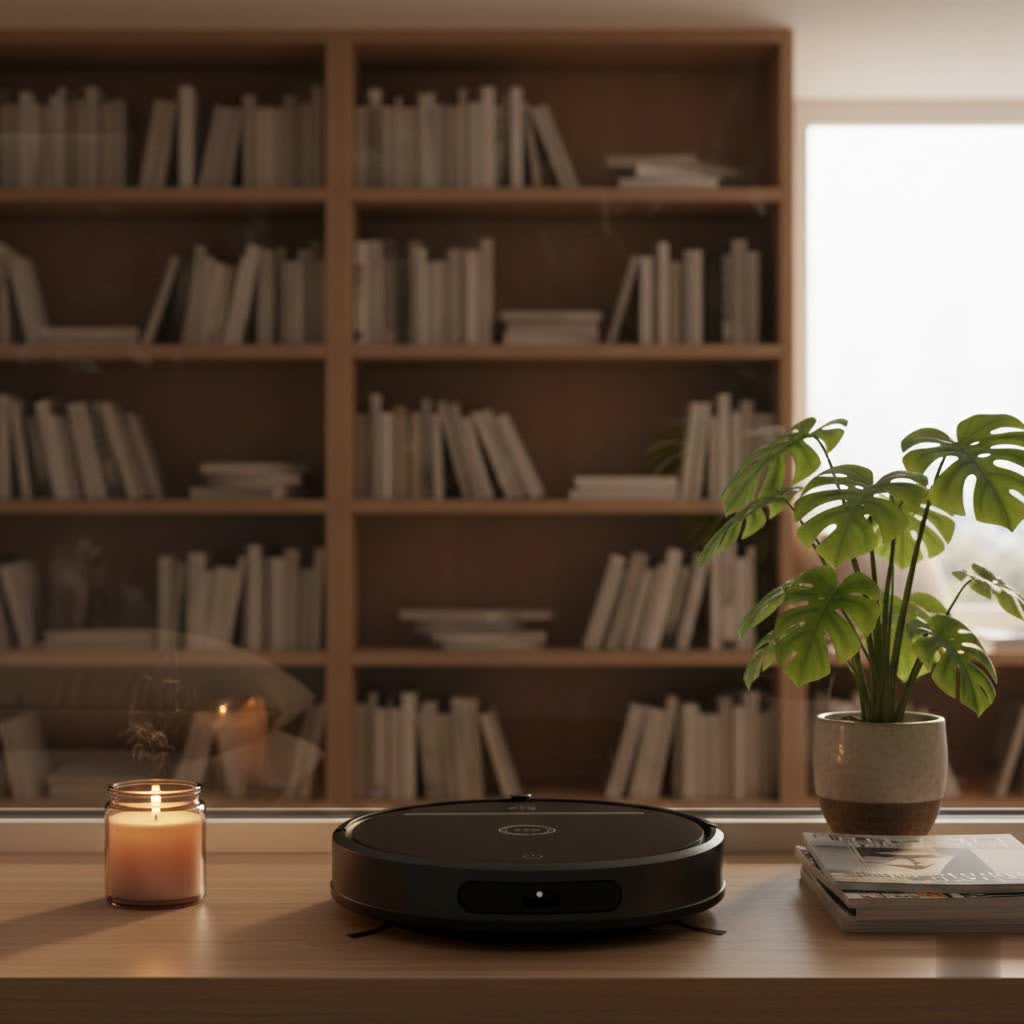
What is a Makita Robot Vacuum and Why Consider One for Your Business?
A Makita robot vacuum is an autonomous cleaning device specifically engineered for commercial and industrial applications, unlike consumer-grade robot vacuums. These heavy-duty machines leverage Makita’s renowned 18V LXT battery platform to deliver powerful, cordless cleaning across expansive floor areas. Businesses should consider investing in a Makita robot vacuum to significantly reduce manual labor costs and free up staff for more specialized tasks. The “set it and forget it” nature of these robots ensures consistent cleaning performance, even in environments with extensive square footage, leading to improved facility appearance and hygiene with minimal human intervention.
Key benefits for businesses include:
- Reduced Labor Costs: Automating floor cleaning allows staff to focus on other critical duties.
- Increased Productivity: Robots can clean during off-hours, ensuring spaces are pristine when staff arrive.
- Cordless Freedom: Operating on powerful 18V LXT batteries eliminates the hassle and safety risks of cords in large areas.
- Consistent Cleaning: Programmed routes and robust cleaning systems ensure thorough coverage every time.
|
Our Picks for the Best Robot Vacuum in 2026
As an Amazon Associate I earn from qualifying purchases.
|
||
| Num | Product | Action |
|---|---|---|
| 1 | Robot Vacuum and Mop Combo,Equipped with Wireless Touch Button, Vacuum Robot Vacuum Cleaner and mop Combination, Silent, Advanced Obstacle Avoidance Suitable for Home Tiles Robot Vacuum and (White) |

|
| 2 | eufy C10 Robot Vacuum Self Emptying, 8 Weeks Hands Free, Advanced Smart Mapping with LiDAR Navigation, 2.85-Inch Slim Design, Powerful Suction, Edge Expansion Brush for Pet Hair, Carpet Detection |
|
| 3 | eufy Robot Vacuum 11S MAX, Super Thin, Powerful Suction, Quiet, Self-Charging Robotic Vacuum Cleaner, Cleans Hard Floors to Medium-Pile Carpets, Black |
|
| 4 | iRobot Roomba 105 Vac Robot Vacuum with AutoEmpty Dock - Self-Empties for 75 Days, Easy to use, Intense Power-Lifting Suction, LiDAR Navigation, Multi-Surface Cleaning, Cleans in Neat Rows |
|
| 5 | Tikom Robot Vacuum and Mop, 6000Pa Robotic Vacuum Cleaner with Self-Emptying Base, 90 Days Capacity, LiDAR Navigation, Home Mapping, Ideal for Pet Hair, Hard Floors, Carpet (L8000 Plus) |
|
| 6 | roborock Saros 10R Robot Vacuum and Mop, 22,000 Pa Suction, Zero-Tangling, 3.14’’ Ultra Slim, FlexiArm Riser Technology for Carpet & Floor, Corner & Edge Cleaning, Self-Emptying, Hot Air Drying, Black |
|
| 7 | iRobot Roomba 105 Vac Robot Vacuum - Easy to use, Intense Power-Lifting Suction, LiDAR Navigation, Multi-Surface Cleaning, Cleans in Neat Rows, Self-Charging |
|
| 8 | eufy Robot Vacuum E25, HydroJet System with Roller Mop, 20,000 Pa Turbo Suction, All-in-One Robot Vacuum and Mop Combo, Edge-to-Corner Cleaning, Zero-Tangle Design, AI Obstacle Avoidance (Upgraded) |
|
| 9 | ILIFE A30 Pro Robot Vacuum and Mop, Self Emptying Station for 60 Days, 5000Pa Suction, LiDAR Navigation, No-Go Zones, 2.4G WiFi/App/Alexa/Remote Control, Roller Brush for Carpet, Hard Floors, 110V |
|
| 10 | Tikom Robot Vacuum and Mop Combo, 5000Pa Robotic Vacuum Cleaner, 150 Min Max, App & Remote Control, Ideal for Hard Floor, Carpet, Pet Hair, Self-Charge(G8000 Max) |
|
Before making a purchase, businesses should assess their specific needs, including the size and type of floor area, the nature of debris, and the desired level of autonomous operation.
Key Makita Robot Vacuum Models: DRC200Z vs. DRC300
Makita currently offers two primary robot vacuum models: the DRC200Z and the newer, more advanced DRC300. Both are formidable tools in commercial cleaning, but they cater to slightly different operational needs. The DRC200Z, an earlier iteration, is recognized for its straightforward, powerful cleaning, designed for large, relatively unobstructed dry areas. It relies on basic sensor technology and a remote control for operation, embodying Makita’s reputation for rugged, no-nonsense tools.
The DRC300, on the other hand, represents a significant leap in “smart” commercial cleaning. It integrates cutting-edge LiDAR and camera sensors, offering sophisticated mapping capabilities and smartphone app connectivity. This evolution allows the DRC300 to navigate complex environments with greater precision, making it suitable for multi-room offices or warehouses with varying layouts and obstacles. While both models excel at heavy-duty dirt collection, the DRC300 provides a more intelligent and flexible cleaning experience, aligning with modern demands for advanced automation in facility management.
Detailed Comparison: Makita DRC200Z vs. DRC300
Understanding the differences between the Makita DRC200Z and DRC300 is essential for selecting the optimal commercial cleaning solution. Both leverage Makita’s robust battery system and cleaning power but diverge significantly in their navigation and smart features. The DRC200Z is a workhorse, ideal for straightforward, large-area dry cleaning, prioritizing power and endurance over complex interaction. The DRC300, however, brings advanced intelligence, making it suitable for environments requiring precision and adaptability.
| Feature | Makita DRC200Z | Makita DRC300 |
|---|---|---|
| Target Use | Commercial, large dry areas, workshops | Commercial, large dry areas, offices, warehouses |
| Navigation | Bumper, ultrasonic sensors, Random/Pattern modes, boundary tape | LiDAR, camera, ultrasonic, bumper sensors; Mapping Pattern/Free modes, app-controlled boundary lines |
| Mapping | Basic (no intelligent mapping) | Advanced LiDAR/camera mapping (up to 5 rooms, 100,000+ sq ft) |
| Connectivity | Remote control (no Wi-Fi/app) | Remote control, dedicated smartphone app, Wi-Fi |
| Dust Bin Capacity | 2.5 Liters | 3.0 – 3.5 Liters |
| Battery System | Two 18V LXT batteries (sold separately) | Two 18V LXT batteries (often included in kits) |
| Runtime (approx.) | Up to 3.5 hours (with 4.0Ah/5.0Ah x2) | Up to 200 minutes (with 5.0Ah x2) |
| Filter System | Standard | HEPA filtration |
| Smart Features | Limited (timer via remote) | Auto-homing, zone cleaning, instant reports via app |
| Best For | Basic, robust cleaning of large, open hard floors | Smart, efficient cleaning of multi-room commercial spaces with varied obstacles |
Choosing the Right Makita Robot Vacuum for Your Commercial Needs
Selecting the ideal Makita robot vacuum hinges on a clear understanding of your commercial space’s specific demands. Consider the total floor area and the complexity of its layout. For vast, open spaces like warehouses or large halls with minimal obstructions, the DRC200Z might suffice with its powerful, no-frills cleaning. If your environment includes multiple rooms, numerous obstacles, or requires precise zone cleaning, the DRC300’s advanced LiDAR mapping and app control become invaluable.
Next, assess the types of dust and debris common in your facility. While both models offer strong suction for general dry debris, the DRC300’s HEPA filtration system provides superior capture of fine dust particles, a critical factor for environments where air quality is paramount. Your budget will also play a role; remember that Makita often sells its robotic vacuums as “tool-only” units, meaning batteries and chargers are separate purchases, which can add to the initial investment. Finally, always remember that these vacuums are optimized for hard floors and low-pile commercial carpets, and while robust, they may struggle with plush, thick-pile carpeting.
Top Features and Performance of Makita Robot Vacuums
Makita robot vacuums are engineered for rigorous commercial performance, setting them apart in the autonomous cleaning market. A cornerstone of their effectiveness is the powerful three-stage cleaning system, which combines large side brushes, a main brush, and strong vacuum suction to capture both fine dust and substantial debris efficiently. This robust system ensures thorough cleaning across various hard floor surfaces and low-pile carpets.
Their extended runtime, often exceeding three hours when equipped with dual 18V LXT batteries, is a significant advantage for large commercial spaces, allowing them to cover thousands of square feet on a single charge. This exceptional endurance is complemented by their durability and robustness, designed to withstand the demands of industrial environments. Furthermore, Makita’s robot vacuums seamlessly integrate with the existing 18V LXT battery platform, offering convenience for businesses already invested in Makita power tools. The newer DRC300 model further enhances performance with advanced navigation technology, utilizing LiDAR and camera sensors for intelligent mapping, precise obstacle detection, and efficient, systematic cleaning pathways.
> “Investing in a Makita robot vacuum has transformed our workshop’s cleanliness. The sheer cleaning power and long battery life mean we can keep the floors spotless with minimal effort, allowing our team to focus on their craft.” – Michael Chen, Workshop Manager
Maintenance Tips for Your Makita Robot Vacuum
To ensure your Makita robot vacuum operates at peak efficiency and enjoys a long lifespan, regular maintenance is essential. Start by routinely emptying the large dust bin, as a full bin can reduce suction power. The side brushes and main brush should also be inspected and cleaned regularly to remove entangled hair or debris, which can impede their rotation and effectiveness. For models like the DRC300 with HEPA filtration, adherence to the recommended filter replacement schedule is crucial for maintaining optimal air quality and suction.
Battery care is equally important: always use Makita-approved chargers and batteries, charge them correctly, and avoid letting them completely drain for extended periods to preserve battery health. Finally, keep the robot’s various sensors (bumper, ultrasonic, cliff, LiDAR) clean and free from dust or obstructions to ensure accurate navigation and collision avoidance. Should any issues arise, consult the user manual for troubleshooting steps, often relating to sensor blockages or brush entanglements, which are typically easy to resolve.
Conclusion
Makita robot vacuums represent a powerful and efficient solution for commercial and industrial cleaning challenges. Designed with Makita’s signature durability and powered by the versatile 18V LXT battery system, models like the DRC200Z and the advanced DRC300 offer businesses the ability to automate routine floor maintenance across vast areas. While the DRC200Z provides rugged, straightforward cleaning, the DRC300 elevates automation with intelligent mapping and app connectivity, catering to more complex environments. By carefully considering your operational needs and prioritizing robust features like powerful suction, extended runtime, and advanced navigation, businesses can significantly enhance productivity and maintain pristine premises. Is a Makita robot vacuum the right powerful addition to your commercial cleaning arsenal?
Frequently Asked Questions
Which Makita robot vacuum is best for a large, open warehouse?
For a large, open warehouse with minimal complex obstacles, the Makita DRC200Z is an excellent choice. Its powerful suction, long runtime, and robust design are well-suited for covering expansive hard floor areas efficiently, prioritizing endurance and debris collection over advanced mapping.
Can Makita robot vacuums handle different types of commercial flooring?
Yes, Makita robot vacuums are designed to perform effectively on a variety of commercial floor types, including hard surfaces like concrete, tile, and laminate, as well as low-pile commercial carpets. However, they are generally not recommended for thick-pile residential carpeting, where they may struggle with navigation and movement.
Do Makita robot vacuums require a charging dock?
No, Makita robot vacuums, particularly the DRC200Z, do not use an automatic charging dock like many residential models. They rely on manual battery charging using Makita’s 18V LXT battery chargers. The DRC300 offers automatic homing once cleaning is complete or batteries are low, but the batteries still require manual swapping for charging.
How often do I need to empty the dustbin on a Makita robot vacuum?
Makita robot vacuums are equipped with large dust bins (2.5 L for DRC200Z, 3.0-3.5 L for DRC300) designed for commercial volumes of debris. The frequency of emptying depends on the size of the area being cleaned and the amount of dirt, but their generous capacity means less frequent emptying compared to smaller, residential robot vacuums.
