Imagine a life where clean floors are a given, without lifting a finger to vacuum or empty a dustbin for weeks on end. For years, the dream of automated home cleaning felt just out of reach, often involving daily dustbin emptying or getting tangled in cords. But with the advent of self-emptying robot vacuums, that dream is now a sparkling reality. As a technician with over a decade of experience in the robot vacuum industry, I’ve witnessed firsthand the revolutionary strides these devices have made, transforming them from mere gadgets into indispensable household assistants. This comprehensive guide will navigate you through the world of self-emptying robot vacuums, sharing insights and practical advice to help you find the perfect model that truly elevates your home cleaning experience.
What is a Self-Emptying Robot Vacuum? Why Do You Need One?
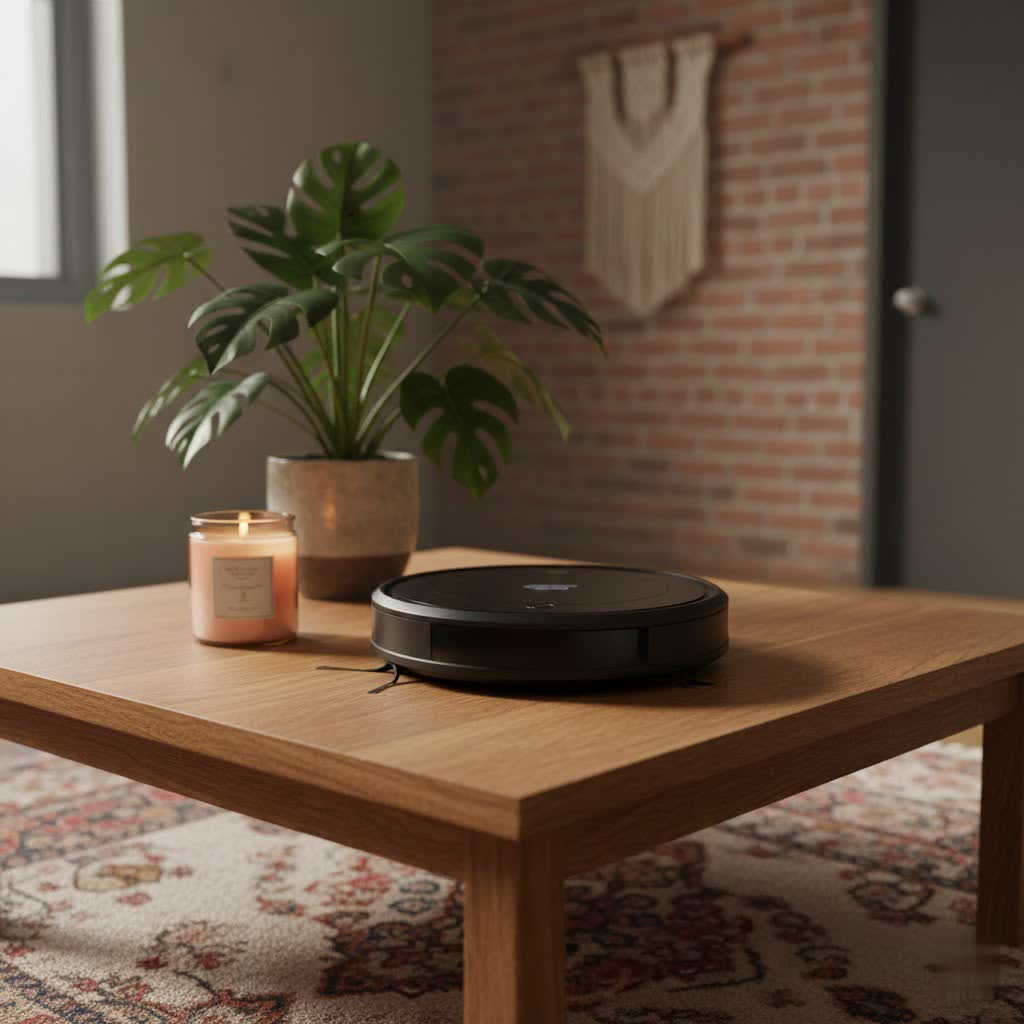
A self-emptying robot vacuum is an advanced cleaning device designed to not only autonomously vacuum your floors but also to empty its own internal dustbin into a larger capacity container housed within its charging dock. This innovative feature significantly reduces manual intervention, allowing the robot to operate for weeks, sometimes even months, before you need to interact with the collected debris.
The convenience offered by a self-emptying robot vacuum is unparalleled. For busy individuals or those with limited mobility, it eliminates the tedious daily task of dustbin emptying. This hands-free operation ensures consistent cleaning performance, as the robot always starts with an empty bin, ready to tackle dirt and debris efficiently. Furthermore, for allergy sufferers, the sealed disposal system in the dock minimizes exposure to dust, pollen, and pet dander, providing significant relief. In homes with pets, these robots are a game-changer, efficiently managing shedding without requiring frequent manual emptying. They embody the true “set it and forget it” cleaning philosophy, giving you back valuable time and peace of mind.
Before investing, consider your home’s size, your budget, the types of flooring you have, and any specific needs like pet hair or allergies. These factors will guide your choice towards a model that offers the best blend of performance and value.
Types of Self-Emptying Robot Vacuums on the Market
The self-emptying robot vacuum market has diversified rapidly, offering various types tailored to different needs and budgets:
- Basic Self-Emptying Vacuums: These models primarily focus on vacuuming and automatically emptying their dustbin into a dock. They are excellent for those seeking core vacuuming automation without extra frills.
- 2-in-1 Vacuum and Mop Hybrids: A popular choice, these robots combine vacuuming with a mopping function. More advanced versions of these hybrids feature docks that not only self-empty but also wash and dry the mop pads, and even refill the robot’s water tank, providing an almost entirely hands-off cleaning experience for both vacuuming and mopping.
- Specialized Models:
- For Pet Owners: Designed with stronger suction and tangle-free brushes to handle significant pet hair, often with advanced object avoidance to navigate around pet toys or accidents.
- With Advanced Navigation: Utilizing LiDAR, 3D mapping, and AI obstacle avoidance, these robots meticulously map your home, learn layouts, and skillfully navigate around clutter, furniture, and even small objects.
- With Auto-Lifting Mop Pads: A premium feature that automatically raises the mop pads when the robot detects carpet, preventing wetting and allowing seamless transition between hard floors and carpets.
Each type offers distinct advantages, and understanding these differences will help you pinpoint the technology that best aligns with your lifestyle.
Comparison of Popular Self-Emptying Robot Vacuums (Illustrative)
|
Our Picks for the Best Robot Vacuum in 2026
As an Amazon Associate I earn from qualifying purchases.
|
||
| Num | Product | Action |
|---|---|---|
| 1 | ILIFE A30 Pro Robot Vacuum and Mop, Self Emptying Station for 60 Days, 5000Pa Suction, LiDAR Navigation, No-Go Zones, 2.4G WiFi/App/Alexa/Remote Control, Roller Brush for Carpet, Hard Floors, 110V |

|
| 2 | Tikom Robot Vacuum and Mop Combo, 5000Pa Robotic Vacuum Cleaner, 150 Min Max, App & Remote Control, Ideal for Hard Floor, Carpet, Pet Hair, Self-Charge(G8000 Max) |
|
| 3 | iRobot Roomba 105 Vac Robot Vacuum with AutoEmpty Dock - Self-Empties for 75 Days, Easy to use, Intense Power-Lifting Suction, LiDAR Navigation, Multi-Surface Cleaning, Cleans in Neat Rows |
|
| 4 | Tikom Robot Vacuum and Mop, 6000Pa Robotic Vacuum Cleaner with Self-Emptying Base, 90 Days Capacity, LiDAR Navigation, Home Mapping, Ideal for Pet Hair, Hard Floors, Carpet (L8000 Plus) |
|
| 5 | eufy C10 Robot Vacuum Self Emptying, 8 Weeks Hands Free, Advanced Smart Mapping with LiDAR Navigation, 2.85-Inch Slim Design, Powerful Suction, Edge Expansion Brush for Pet Hair, Carpet Detection |
|
| 6 | roborock Saros 10R Robot Vacuum and Mop, 22,000 Pa Suction, Zero-Tangling, 3.14’’ Ultra Slim, FlexiArm Riser Technology for Carpet & Floor, Corner & Edge Cleaning, Self-Emptying, Hot Air Drying, Black |
|
| 7 | eufy Robot Vacuum 11S MAX, Super Thin, Powerful Suction, Quiet, Self-Charging Robotic Vacuum Cleaner, Cleans Hard Floors to Medium-Pile Carpets, Black |
|
| 8 | iRobot Roomba 105 Vac Robot Vacuum - Easy to use, Intense Power-Lifting Suction, LiDAR Navigation, Multi-Surface Cleaning, Cleans in Neat Rows, Self-Charging |
|
| 9 | Robot Vacuum and Mop Combo,Equipped with Wireless Touch Button, Vacuum Robot Vacuum Cleaner and mop Combination, Silent, Advanced Obstacle Avoidance Suitable for Home Tiles Robot Vacuum and (White) |
|
| 10 | eufy Robot Vacuum E25, HydroJet System with Roller Mop, 20,000 Pa Turbo Suction, All-in-One Robot Vacuum and Mop Combo, Edge-to-Corner Cleaning, Zero-Tangle Design, AI Obstacle Avoidance (Upgraded) |
|
| Feature | Mid-Range Self-Empty Only | Premium 2-in-1 Hybrid | Advanced Pet-Friendly Hybrid | Budget-Friendly Self-Empty |
|---|---|---|---|---|
| Suction Power | 2,000-3,000 Pa | 4,000-5,000 Pa | 5,000-8,000 Pa | 1,800-2,500 Pa |
| Battery Life | 90-120 minutes | 150-180 minutes | 180-240 minutes | 60-90 minutes |
| Navigation | Gyro/Basic Mapping | LiDAR & Advanced Mapping | LiDAR, AI Obstacle Avoidance | Bumper Sensors/Basic Nav |
| Mop Function | No | Yes (with auto-wash/dry dock) | Yes (with auto-wash/dry, auto-lift) | No |
| Dustbin Capacity (Dock) | 30-45 days | 60 days | 60+ days | 20-30 days |
| Key Features | App control, schedule cleaning | Zoned cleaning, virtual walls, voice control, auto-empty, auto-mop clean | Pet-friendly brushes, real-time object avoidance, auto-detergent dispense, self-cleaning dock | App control, basic mapping, auto-empty |
| Price Range | ~$400 – $600 | ~$800 – $1200 | ~$1200 – $1800+ | ~$300 – $450 |
Note: Prices and specifications are illustrative and can vary widely based on brand, model year, and retailer.
Guide to Choosing the Right Self-Emptying Robot Vacuum for Your Needs
Selecting the ideal self-emptying robot vacuum involves evaluating several key factors to match its capabilities with your household’s demands:
- Budget: Self-emptying robot vacuums are a premium investment, with prices ranging from a few hundred to over a thousand dollars. Determine a realistic budget, remembering that higher-priced models often come with advanced features like comprehensive mopping systems and superior navigation. Consider long-term costs like replacement bags for bagged docks.
- Home Size and Layout: For larger homes, prioritize models with longer battery life (150+ minutes) and advanced mapping capabilities (LiDAR) to ensure thorough coverage. Complex layouts with many rooms or obstacles benefit greatly from superior navigation and obstacle avoidance.
- Floor Type: Most robot vacuums adapt to various surfaces. For homes with predominantly hard floors (hardwood, tile, laminate), a model with moderate suction is often sufficient. If you have carpets, especially high-pile, look for stronger suction power (measured in Pascals, Pa) and specialized brushes for deep cleaning. Hybrid vacuum-mop robots are excellent for mixed flooring.
- Pets and Allergies: Pet owners should seek robots with strong suction, tangle-free rubber brushes (which prevent hair from wrapping), and advanced obstacle avoidance to steer clear of pet messes. For allergy sufferers, self-emptying docks are crucial as they minimize contact with allergens. Look for models with HEPA filters and sealed bag systems in the dock.
- Desired Features: Beyond core vacuuming and self-emptying, consider additional features:
- Mopping Functionality: For homes that need both vacuuming and mopping.
- Advanced Navigation & Obstacle Avoidance: For cluttered homes or those with children/pets.
- Smart Home Integration: Compatibility with voice assistants (Alexa, Google Assistant) and comprehensive app control for scheduling, zone cleaning, and virtual boundaries.
- Noise Level: While the robot itself can be quiet, the self-emptying process can be loud, so consider this if you have sensitive ears or plan to run it at night.
By carefully assessing these aspects, you can make an informed decision that brings true convenience and cleanliness to your home.
Top 5 Self-Emptying Robot Vacuums for a Hands-Free Home
Based on market trends, user feedback, and technological advancements, here are the categories of self-emptying robot vacuums that consistently impress:
- The Ultimate All-in-One Hybrid: These premium models offer the pinnacle of automated cleaning. They not only vacuum and self-empty but also mop with advanced features like automatic mop washing, hot air drying, and water tank refilling at the dock. They feature incredibly strong suction, sophisticated LiDAR and AI navigation for obstacle avoidance, and comprehensive app controls. Ideal for large homes with mixed flooring and high demands for convenience, these robots truly deliver a “set it and forget it” experience for both vacuuming and mopping.
- Best for Pet Owners: Engineered with powerful suction (often 5000 Pa or more) and specialized multi-surface rubber brushes that resist tangles, these robots excel at picking up pet hair from both hard floors and carpets. Their advanced AI vision systems are trained to recognize and avoid pet waste, providing peace of mind. The large capacity self-empty docks are also crucial for managing significant pet shedding.
- Smartest Navigation & Obstacle Avoidance: These robots are marvels of engineering, utilizing cutting-edge LiDAR, 3D mapping, and real-time AI to navigate complex environments with remarkable precision. They can identify and steer clear of common household obstacles like cables, shoes, and even pet bowls, drastically reducing instances of getting stuck. This makes them perfect for busy, often cluttered homes where manual “pre-cleaning” is a hassle.
- Best Value for Money: While self-emptying robots are generally a higher investment, certain models strike an excellent balance between cost and performance. These robots typically offer solid vacuuming, reliable self-emptying, and decent navigation (often LiDAR-based) without the most extravagant mopping or AI features. They provide significant hands-free convenience at a more accessible price point, making them a great entry into the self-emptying world.
- Longest Battery Life & Largest Capacity: Designed for expansive homes or properties with multiple levels, these robots boast extended battery runtimes (often 3-4 hours) and oversized self-empty dustbins (sometimes holding up to 60-90 days of debris). They ensure complete cleaning cycles without needing mid-session recharges or frequent dock maintenance, providing maximum autonomy for large spaces.
> “Investing in a self-emptying robot vacuum transformed my daily routine. The sheer convenience of not having to think about vacuuming for weeks at a time is truly liberating.” – Sarah L., Robot Vacuum Enthusiast
Tips for Using and Maintaining Your Self-Emptying Robot Vacuum to Extend Its Lifespan
Proper care and maintenance are crucial to ensure your self-emptying robot vacuum continues to perform optimally and serves you for years.
- Regular Cleaning:
- Dustbin & Filters: Even with self-emptying, occasionally check and wipe down the robot’s internal dustbin. The filters (especially HEPA filters) should be cleaned regularly – either by brushing or rinsing, depending on the model – to maintain strong suction and air quality.
- Brushes: Hair, particularly pet hair, can get tangled in the main roller brush and side brushes. Use the cleaning tool often supplied with the robot to cut and remove trapped hair. Clean the side brushes for optimal edge cleaning.
- Sensors & Charging Contacts: Wipe the robot’s navigation sensors (cliff sensors, obstacle sensors) and the charging contacts on both the robot and the dock with a dry cloth to prevent errors and ensure proper docking and charging.
- Replace Consumables: Over time, filters, side brushes, and main brushes wear out. Check your robot’s manual for recommended replacement schedules, typically every 3-6 months for filters and side brushes, and 6-12 months for main brushes. For bagged docks, remember to replace the dust bags as needed (usually every 30-60 days).
- Battery Care: Avoid letting the robot’s battery completely drain frequently. Allow it to return to its dock to charge between cleaning cycles. If storing the robot for an extended period, ensure it’s fully charged and then periodically recharge it to maintain battery health.
- Troubleshooting Common Issues: If your robot isn’t performing as expected (e.g., not emptying, getting stuck, poor suction), consult the user manual and the companion app. Many issues can be resolved with simple steps like clearing blockages, cleaning sensors, or restarting the device. Regular software updates provided by manufacturers can also improve performance and add new features.
- Clear the Area: While advanced robots have excellent obstacle avoidance, a quick tidying of floors (picking up small toys, cables, or loose clothes) before a cleaning run will always yield better results and prevent the robot from getting stuck.
By following these simple maintenance tips, you can maximize the efficiency and longevity of your self-emptying robot vacuum.
Conclusion
Self-emptying robot vacuums have truly revolutionized home cleaning, offering an unprecedented level of convenience and autonomy. From their ability to automatically dispose of collected debris for weeks on end to integrating sophisticated mopping functions and intelligent navigation, these devices reclaim valuable time and maintain a consistently clean environment with minimal effort from your side. They are particularly beneficial for busy households, pet owners, and allergy sufferers, providing hands-free operation and improved hygiene.
Choosing the best self-emptying robot vacuum involves considering your specific needs, budget, and home characteristics. With the right model, you’re not just buying a cleaning appliance; you’re investing in a smarter, cleaner home and a more relaxed lifestyle. Ready to experience the ultimate hands-free cleaning?
Frequently Asked Questions
Which self-emptying robot vacuum is best for a home with multiple pets?
For homes with multiple pets, prioritize models with strong suction power (5000+ Pa), tangle-free rubber brushes, and advanced AI obstacle avoidance designed to recognize and steer clear of pet waste. Look for large capacity self-empty docks and HEPA filters for allergy relief. The most advanced hybrid models often fit this description, providing both vacuuming and mopping capabilities.
How often do I need to empty the dock of a self-emptying robot vacuum?
The frequency of emptying the dock depends on its capacity and the amount of debris in your home. Most self-emptying docks can hold anywhere from 30 to 60 days of dust and debris, with some larger capacities extending up to 90 days or more. Homes with pets or high foot traffic may require more frequent emptying, but significantly less often than manually emptying the robot’s internal dustbin.
Are self-emptying robot vacuums worth the higher price compared to standard robot vacuums?
For many users, yes, the added convenience of a self-emptying robot vacuum justifies the higher price. The ability to avoid daily dustbin emptying, especially for allergy sufferers or pet owners, is a significant time-saver and hygiene benefit. While the initial investment is greater, the long-term hands-free experience often proves to be well worth it.
Can self-emptying robot vacuums also mop?
Yes, many of the top self-emptying robot vacuums are 2-in-1 hybrid models that can both vacuum and mop. The most advanced of these come with sophisticated docking stations that not only self-empty but also automatically wash and dry the mop pads, and some even refill the robot’s water tank, offering comprehensive hands-free floor cleaning.
What should I do if my self-emptying robot vacuum gets stuck frequently?
If your robot vacuum gets stuck often, first ensure your home is free of common obstacles like loose cables, small toys, or thick rugs. Clean the robot’s navigation sensors and check its brushes for tangles. For persistent issues, verify that your robot’s mapping is accurate and consider using virtual boundaries or no-go zones in problem areas through the companion app. Some advanced models with AI obstacle avoidance are designed to minimize this issue.
