Keeping your home spotless can feel like a never-ending chore, especially with busy schedules, energetic pets, or active families. Imagine a world where your floors are consistently clean without you lifting a finger. That’s the promise of the robot vacuum, a revolutionary device transforming how we approach daily tidiness. These smart cleaners offer an effortless solution to common household messes, granting you back precious time and energy. This comprehensive guide will navigate you through the world of robot vacuums, helping you understand their capabilities, compare top models, and ultimately find the best buy to suit your home’s unique needs.
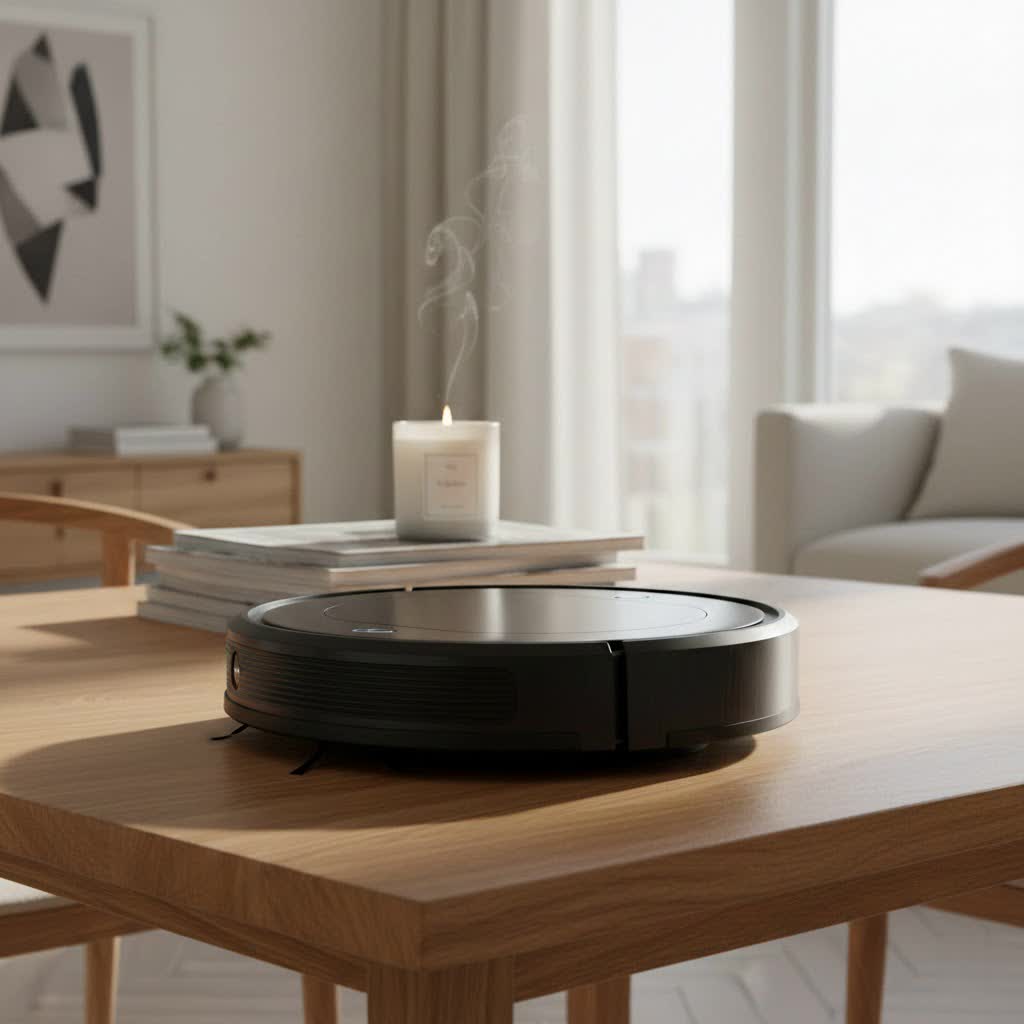
Robot Vacuum: What Is It and Why Do You Need One?
A robot vacuum is an autonomous cleaning device designed to independently navigate and clean your home’s floors. Utilizing sensors, mapping technology, and powerful suction, these devices tirelessly collect dust, dirt, debris, and pet hair, often operating on a schedule you set or at the touch of a button. They come equipped with brushes and powerful motors to tackle various floor types, from hard floors to carpets.
Compared to traditional vacuuming, a robot vacuum offers unparalleled convenience. It frees up your time, allowing you to focus on more important tasks or simply relax, knowing your floors are being maintained. For many, it’s a game-changer, providing daily maintenance that keeps dust and allergens at bay, preventing them from building up. Before investing, consider your home’s size, floor types, presence of pets, and desired level of automation to ensure you select the perfect companion for your cleaning routine.
Popular Robot Vacuum Types on the Market
The robot vacuum market is diverse, offering a range of models tailored to different needs and budgets. Understanding the various types can help you pinpoint the ideal cleaner for your household.
Robot vacuums can be classified by their features and technology. Entry-level models typically use basic navigation sensors, bumping into obstacles and changing direction, while more advanced units employ sophisticated LiDAR (laser) or camera-based mapping systems for precise, efficient cleaning paths and intelligent obstacle avoidance.
- Standard Robot Vacuums: These are primarily designed for dry vacuuming. They are excellent for everyday dust and debris pickup on various floor types. Their main advantage is straightforward operation and often a more accessible price point.
- Robot Vacuums with Mopping Function: A popular 2-in-1 solution, these devices can both vacuum and wet mop. They save space and offer comprehensive floor care. Look for models with electronic water flow control, vibrating or spinning mop pads, or even auto-lifting mop pads that prevent wetting carpets.
- Self-Emptying Robot Vacuums: These models come with a specialized docking station that automatically empties the robot’s dustbin into a larger sealed bag or bin. This feature significantly extends the time between manual interactions, often allowing for weeks or even months of hands-free cleaning, though it typically comes at a higher price.
- Robot Vacuums for Pet Owners: Designed with pet hair in mind, these robots usually feature stronger suction power (often 2000 Pa and above), specialized tangle-free brushes, and advanced filtration (like HEPA filters) to capture pet dander and allergens effectively. Some premium models even offer advanced obstacle avoidance to steer clear of pet waste.
Each type offers distinct advantages, with price points varying based on the sophistication of features and technology. Deciding which combination of features is most valuable to you will guide your selection.
Detailed Comparison Table of the Best Robot Vacuum Models 2024
|
Our Picks for the Best Robot Vacuum in 2026
As an Amazon Associate I earn from qualifying purchases.
|
||
| Num | Product | Action |
|---|---|---|
| 1 | Tikom Robot Vacuum and Mop Combo, 5000Pa Robotic Vacuum Cleaner, 150 Min Max, App & Remote Control, Ideal for Hard Floor, Carpet, Pet Hair, Self-Charge(G8000 Max) |

|
| 2 | eufy Robot Vacuum E25, HydroJet System with Roller Mop, 20,000 Pa Turbo Suction, All-in-One Robot Vacuum and Mop Combo, Edge-to-Corner Cleaning, Zero-Tangle Design, AI Obstacle Avoidance (Upgraded) |
|
| 3 | Tikom Robot Vacuum and Mop, 6000Pa Robotic Vacuum Cleaner with Self-Emptying Base, 90 Days Capacity, LiDAR Navigation, Home Mapping, Ideal for Pet Hair, Hard Floors, Carpet (L8000 Plus) |
|
| 4 | eufy C10 Robot Vacuum Self Emptying, 8 Weeks Hands Free, Advanced Smart Mapping with LiDAR Navigation, 2.85-Inch Slim Design, Powerful Suction, Edge Expansion Brush for Pet Hair, Carpet Detection |
|
| 5 | ILIFE A30 Pro Robot Vacuum and Mop, Self Emptying Station for 60 Days, 5000Pa Suction, LiDAR Navigation, No-Go Zones, 2.4G WiFi/App/Alexa/Remote Control, Roller Brush for Carpet, Hard Floors, 110V |
|
| 6 | eufy Robot Vacuum 11S MAX, Super Thin, Powerful Suction, Quiet, Self-Charging Robotic Vacuum Cleaner, Cleans Hard Floors to Medium-Pile Carpets, Black |
|
| 7 | iRobot Roomba 105 Vac Robot Vacuum - Easy to use, Intense Power-Lifting Suction, LiDAR Navigation, Multi-Surface Cleaning, Cleans in Neat Rows, Self-Charging |
|
| 8 | iRobot Roomba 105 Vac Robot Vacuum with AutoEmpty Dock - Self-Empties for 75 Days, Easy to use, Intense Power-Lifting Suction, LiDAR Navigation, Multi-Surface Cleaning, Cleans in Neat Rows |
|
| 9 | Robot Vacuum and Mop Combo,Equipped with Wireless Touch Button, Vacuum Robot Vacuum Cleaner and mop Combination, Silent, Advanced Obstacle Avoidance Suitable for Home Tiles Robot Vacuum and (White) |
|
| 10 | roborock Saros 10R Robot Vacuum and Mop, 22,000 Pa Suction, Zero-Tangling, 3.14’’ Ultra Slim, FlexiArm Riser Technology for Carpet & Floor, Corner & Edge Cleaning, Self-Emptying, Hot Air Drying, Black |
|
Here’s a comparison of some highly-rated robot vacuums, showcasing their key specifications and features to help you assess the best fit for your home.
| Brand | Model | Price (Approx. USD) | Suction Power (Pa) | Operating Time | Key Features |
|---|---|---|---|---|---|
| Roborock | Qrevo Curv | $800 – $1000 | 18,500 | 180 minutes | Superb suction & mopping, auto-lift mop, self-dock |
| iRobot | Roomba Combo j7+ | $700 – $900 | 1700 | 75 minutes | Self-emptying, smart mapping, obstacle avoidance |
| Eufy | X10 Pro Omni | $600 – $800 | 8,000 | 120 minutes | Self-emptying, strong vacuuming & mopping |
| Ecovacs | Deebot X8 Pro Omni | $500 – $700 | 6,000 | 180 minutes | Effective roller mop, self-maintenance features |
| Eufy | BoostIQ RoboVac 11S Max | $150 – $250 | 2,000 | 100 minutes | Slim design, BoostIQ, quiet operation |
Note: Prices are approximate and can vary based on retailers and promotions.
How to Choose the Right Robot Vacuum for Your Needs
Selecting the perfect robot vacuum requires a thoughtful assessment of your specific household requirements and preferences. With so many options available, a targeted approach will help you find the “best buy” for your investment.
- Budget: Determine how much you are willing to spend. Entry-level models offer basic cleaning, while mid-range options balance features and cost. Premium robots provide advanced mapping, self-emptying, and superior cleaning performance at a higher price point.
- Home Size and Layout: For smaller homes or apartments, a basic model with a shorter battery life might suffice. Larger, multi-level homes will benefit from robots with longer battery life, “recharge and resume” functionality, and advanced mapping (LiDAR) to efficiently cover extensive areas.
- Floor Type: Most robot vacuums perform well on hard floors (hardwood, tile, laminate). If you have carpets or rugs, look for models with strong suction power (over 2000 Pa) and specialized brushes designed to lift dirt from deeper pile. Some mop-enabled robots can even detect carpets and lift their mop pads to avoid wetting them.
- Pets: Pet owners should prioritize models with powerful suction to handle pet hair, tangle-free brush rolls to prevent clogs, and effective filtration (like HEPA) to manage allergens. Advanced obstacle avoidance is also a plus for avoiding pet accidents.
- Desired Features: Consider which smart features would enhance your cleaning experience.
- Self-emptying: For ultimate convenience and less frequent interaction.
- Mopping: For a combined vacuuming and mopping solution.
- Mapping & Navigation: LiDAR for precise cleaning paths and virtual no-go zones.
- Voice Control & App Integration: For easy scheduling and remote operation.
- Obstacle Avoidance: Crucial for homes with small objects, cords, or challenging layouts.
By carefully evaluating these factors, you can narrow down your choices and select a robot vacuum that truly meets your cleaning demands.
Top 5 Robot Vacuums to Consider Today
When it comes to the “best buy” in robot vacuums, several models consistently impress with their performance, features, and overall value. Here are five top contenders that stand out in the current market:
- Roborock Qrevo Curv: Often hailed as an overall top performer, the Roborock Qrevo Curv delivers exceptional vacuuming and mopping capabilities. It features an impressive 18,500 Pa suction power, an auto-lifting mop for carpet transitions, and a sophisticated self-emptying and mop-washing dock. Its reliable navigation and user-friendly app make it a fantastic investment for comprehensive floor care, despite its premium price.
- Pros: Outstanding suction, excellent mopping with auto-lift, comprehensive self-maintenance dock, precise navigation.
- Cons: Higher price point, relatively taller profile.
- iRobot Roomba Combo j7+: This iRobot model offers a powerful combination of vacuuming and mopping with the added convenience of a self-emptying base. It excels in intelligent obstacle avoidance, recognizing and actively steering clear of common household items like cords and pet waste. The j7+ learns your home’s layout, allowing for personalized cleaning schedules and zone cleaning.
- Pros: Excellent obstacle avoidance, reliable self-emptying, effective vacuuming and mopping, strong app control.
- Cons: Mopping performance can be less aggressive than dedicated mop robots, battery life could be longer.
- Eufy X10 Pro Omni: A strong all-rounder, the Eufy X10 Pro Omni provides robust vacuuming and effective mopping, making it a great hybrid solution. Its self-empty and self-wash dock ensures minimal intervention, and its strong suction power efficiently tackles debris and pet hair. It’s often praised for offering a premium experience at a slightly more accessible price than some high-end competitors.
- Pros: Good balance of vacuuming and mopping, self-emptying and mop-washing, strong suction, good value for features.
- Cons: May struggle with very large debris on carpets, obstacle avoidance is good but not always perfect.
- Ecovacs Deebot X8 Pro Omni: For those seeking a truly hands-off experience, the Deebot X8 Pro Omni is a top contender. It boasts an effective roller mop that cleans itself as it works, strong vacuum performance, and advanced self-maintenance features within its docking station. Its AI obstacle avoidance ensures a thorough clean without getting stuck.
- Pros: Top-tier 2-in-1 performance, excellent self-maintenance, good obstacle avoidance, efficient mapping.
- Cons: Can be an investment, occasionally nudges smaller obstacles.
- Eufy BoostIQ RoboVac 11S Max: If budget is a primary concern, the Eufy BoostIQ RoboVac 11S Max is an excellent “best buy” for its value. This slim robot offers surprisingly powerful suction for its price, utilizing BoostIQ technology to automatically increase suction on dirtier areas. Its low profile allows it to easily glide under furniture, making it ideal for smaller homes or as a supplementary cleaner.
- Pros: Very affordable, slim design, good suction for the price, quiet operation.
- Cons: Lacks advanced mapping, no mopping function, manual dustbin emptying.
> “Investing in a robot vacuum was one of the best decisions I’ve made for my home. The daily maintenance keeps my floors consistently clean, and I barely have to think about it anymore!” – Maria S., Happy Robot Vacuum User
Tips for Using and Maintaining Your Robot Vacuum to Extend Its Lifespan
To ensure your robot vacuum provides years of efficient cleaning, proper usage and regular maintenance are crucial. These simple steps can significantly prolong its lifespan and maintain optimal performance.
- Regular Cleaning:
- Empty the Dustbin: Empty the dustbin after every few cleaning cycles, or daily if you have pets or a heavily soiled home. Self-emptying models reduce this frequency.
- Clean Brushes: Regularly check and remove tangled hair, string, and debris from the main brush roll and side brushes. Many brushes are designed to be easily removable for this purpose.
- Wipe Sensors: Use a clean, dry cloth or cotton swab to gently wipe clean the robot’s cliff sensors, bumper sensors, and charging contacts. Dirt buildup can impair navigation and charging.
- Clean Filters: Tap out or brush off the HEPA filter (if applicable) weekly. Replace filters every 1-3 months, depending on usage, to maintain air quality and suction power.
- Replace Accessories: Brushes and filters wear out over time. Follow the manufacturer’s recommendations for replacing side brushes (every 3-6 months), main brush rolls (every 6-12 months), and filters.
- Battery Care:
- Charge Correctly: Always return your robot to its charging dock after cleaning. Avoid letting the battery completely drain for extended periods, as this can reduce its overall lifespan.
- Storage: If storing the robot for a long time, ensure it’s fully charged and then turn it off. Check and recharge it every few months.
- Troubleshooting Common Issues:
- Robot Not Working/Stuck: Ensure there are no obstacles (cables, small toys) blocking its path. Check if brushes are tangled or if sensors are dirty.
- Poor Suction: Clean the dustbin and filter. Check the brush roll for blockages.
- Not Charging: Ensure the robot is correctly seated on the charging dock and that the contacts on both the robot and the dock are clean.
By adhering to these maintenance tips, your robot vacuum will continue to be a valuable asset in keeping your home pristine.
In conclusion, investing in the Best Buy Robot Vacuum is a step towards a cleaner home and a more convenient lifestyle. From powerful suction to intelligent navigation and advanced mopping capabilities, today’s robot vacuums offer a solution for nearly every household need and budget. By understanding the types, features, and maintenance requirements, you can confidently choose a model that provides exceptional value and performance, transforming your cleaning routine. Which robot vacuum will you choose to empower your home with effortless cleanliness?
Frequently Asked Questions
Which robot vacuum is best for homes with babies?
For homes with babies, prioritize a robot vacuum with excellent obstacle avoidance (to navigate around toys and crawling spaces), quiet operation, and strong filtration like a HEPA filter to manage dust and allergens. Models with effective mopping capabilities can also be beneficial for tackling spills and sticky messes, ensuring a hygienic environment for your little ones.
How often should a robot vacuum be run?
The ideal frequency depends on your home’s traffic, pets, and dust levels. For general maintenance, running your robot vacuum daily or every other day is recommended to prevent dust buildup. If you have pets or allergies, daily operation is often beneficial. Many robots allow you to schedule cleanings, making it effortless to maintain consistent cleanliness.
Do robot vacuums work well on carpets?
Yes, many modern robot vacuums are designed to work effectively on carpets. For optimal performance on carpets, look for models with high suction power (e.g., 2000 Pa or more), specialized brush rolls that agitate carpet fibers, and automatic carpet boost features that increase suction when a carpet is detected.
Can robot vacuums replace a traditional vacuum cleaner entirely?
While robot vacuums are excellent for daily maintenance and routine cleaning, they generally do not entirely replace traditional vacuum cleaners for deep cleaning or tackling large messes. Traditional vacuums still offer superior suction for extensive carpet cleaning, cleaning stairs, or handling significant spills. Many people use both: a robot for daily upkeep and a traditional vacuum for deeper, less frequent cleaning.
What is the difference between LiDAR and camera navigation?
LiDAR (Light Detection and Ranging) navigation uses lasers to create highly accurate maps of your home, allowing for precise and efficient cleaning paths even in the dark. Camera-based navigation uses optical cameras to build a visual map but can struggle in low-light conditions. LiDAR is generally considered more accurate and reliable for mapping and navigation.
