In today’s fast-paced world, finding time for household chores can be a challenge. That’s where the Automatic Vacuum Robot steps in, revolutionizing the way we keep our homes spotless. These intelligent devices offer a hands-free solution to daily cleaning, transforming dusty floors into pristine surfaces with minimal effort. If you’ve ever dreamt of returning to a clean home without lifting a finger, an automatic vacuum robot might be the perfect addition to your family. This comprehensive guide will navigate you through the world of robotic cleaners, helping you understand their capabilities, compare top models, and choose the ideal companion for your living space.
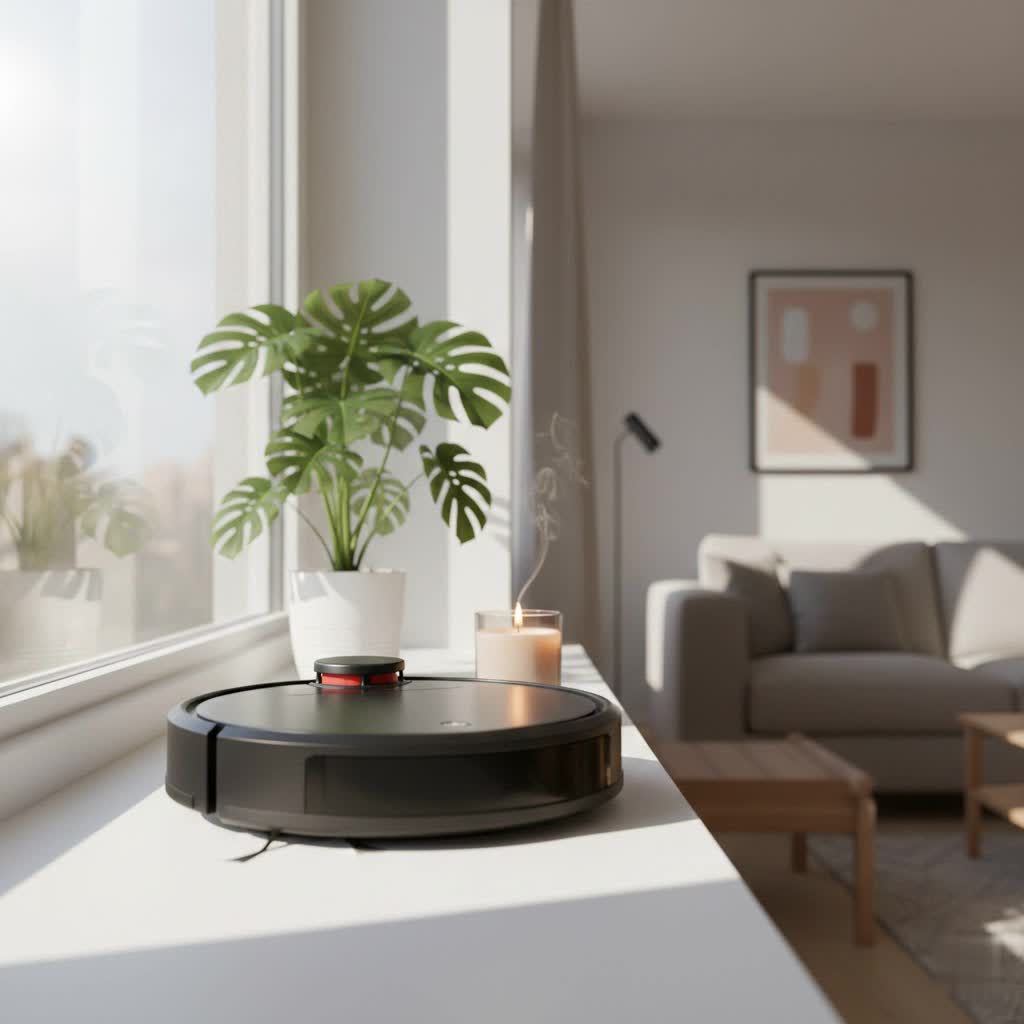
What is an Automatic Vacuum Robot? Why Do You Need One?
An automatic vacuum robot is an autonomous device designed to clean floors without direct human intervention. Equipped with an array of sensors, brushes, and suction mechanisms, these compact machines navigate your home, collect dirt, dust, and debris, and then return to their charging dock when their work is done. They are far more than mere gadgets; they are smart cleaning assistants that integrate seamlessly into modern smart homes.
The primary benefit of using an automatic vacuum robot is the unparalleled convenience it offers. Imagine setting a schedule and having your floors cleaned daily, while you’re at work, asleep, or simply enjoying your free time. Beyond saving time and effort, these robots excel at reaching under low-lying furniture where traditional vacuums struggle, preventing dust accumulation and potentially improving indoor air quality. For households with pets or young children, they are invaluable for managing daily hair, crumbs, and dirt, ensuring a consistently tidy environment.
Before investing, consider your home’s layout, floor types, and specific cleaning challenges. Do you have thick carpets, multiple pets, or a large multi-story house? Understanding these factors will guide you toward the model best suited for your needs.
Types of Automatic Vacuum Robots on the Market
The automatic vacuum robot market has diversified significantly, offering various types tailored to different cleaning demands and budgets.
- Vacuum-Only Robots: These are the foundational models, focused solely on dry vacuuming. They are ideal for homes with mostly carpets or for users who prefer to mop separately. Their simplicity often translates to lower costs, making them a great entry point into robotic cleaning.
- Vacuum and Mop Hybrids: Designed for comprehensive floor care, these 2-in-1 robots can vacuum and mop, sometimes simultaneously. They typically feature a dustbin for dry debris and a water tank for wet cleaning. Some advanced models boast vibrating or spinning mop pads for a more thorough scrub, and even automatic mop-lifting mechanisms to avoid wetting carpets.
- Self-Emptying Robots: A major leap in convenience, these robots automatically transfer collected debris from their internal dustbin to a larger bin in their charging dock. This means you only need to empty the dock’s large bag or container every few weeks or even months, significantly reducing hands-on maintenance.
- Self-Cleaning & Self-Maintaining Dock Robots: The pinnacle of automation, these high-end models take self-emptying a step further. Their docks not only empty the dustbin but also wash and dry the mop pads, and some even refill the robot’s water tank, making them almost entirely hands-off for extended periods.
- Pet-Specific Robots: Engineered with pet owners in mind, these robots typically feature stronger suction power, specialized tangle-free brush rolls (often rubberized), and larger dustbins to handle abundant pet hair and dander. Many also include advanced object avoidance to navigate around pet toys or accidents.
Advanced navigation technologies are a hallmark of modern robots. LiDAR (Light Detection and Ranging) sensors create precise 3D maps of your home, enabling efficient, systematic cleaning paths. vSLAM (Visual Simultaneous Localization and Mapping) uses cameras to build visual maps and track the robot’s location. Combined with AI obstacle avoidance, these robots can identify and navigate around small objects like shoes, cables, and even pet waste, preventing them from getting stuck or spreading messes. Some innovative designs even feature retractable LiDAR towers or specialized arms to reach tight corners or under low furniture more effectively.
Detailed Comparison Table: Best Automatic Vacuum Robots 2024
Choosing the right automatic vacuum robot can be daunting with so many options available. Here’s a comparison of some of the best models on the market in 2024, highlighting their key specifications and standout features.
| Brand | Model | Price (USD est.) | Suction (Pa) | Runtime (min) | Notable Features |
|---|---|---|---|---|---|
| iRobot | Roomba j9+ | $600 | 2200 | 90 | Pet waste avoidance, Self-emptying dock, Dirt Detect |
| Ecovacs | Deebot X8 Pro Omni | $800 | 8000 | 150 | Vacuum & mop hybrid, Auto-lift roller mop, AI avoidance |
| Roborock | Qrevo Curv | $1000 | 18500 | 200 | Spinning mop, Auto-wash/dry/empty dock, Carpet boost |
| Dreame | L50 Ultra | $900 | 11000 | 180 | Mop-lifting, Self-cleaning/empty dock, Advanced AI |
| Eufy | X10 Pro Omni | $650 | 8000 | 120 | Self-emptying, Self-washing/drying mop, Obstacle avoidance |
This table provides a snapshot, but deeper dives into features are crucial for a final decision.
How to Choose the Right Automatic Vacuum Robot for Your Needs
Selecting the perfect automatic vacuum robot involves evaluating several key factors to ensure it aligns with your lifestyle and home environment.
- Budget: Automatic vacuum robots range widely in price, from entry-level models under $200 to premium systems exceeding $1500. Determine how much you’re willing to invest, keeping in mind that higher price points often unlock advanced features like self-emptying docks, superior navigation, and comprehensive mopping capabilities.
- Home Size and Layout: For larger homes or multi-room layouts, prioritize robots with longer battery life (180+ minutes) and “recharge and resume” functionality, which allows the robot to return to its dock, recharge, and pick up cleaning where it left off. Advanced mapping (LiDAR or vSLAM) is crucial for efficient coverage in complex spaces.
- Floor Type: Most robots handle hard floors (hardwood, tile, laminate) effectively. If you have carpets or rugs, look for models with strong suction power (over 2500 Pa is a good starting point) and brush rolls designed for carpet agitation. Some robots automatically boost suction on carpets and can even lift their mop pads to avoid wetting them.
- Pets: Pet owners should seek robots with high suction, tangle-free rubber brush rolls to prevent hair wrap, and large dustbins or self-emptying features to cope with increased debris. AI obstacle avoidance is particularly beneficial for navigating around pet toys or preventing unfortunate encounters with pet waste.
- Desired Features:
- Self-emptying: Minimizes how often you interact with the robot.
- Mopping: Offers a 2-in-1 cleaning solution for hard floors.
- Smart Mapping: Allows for customized cleaning zones, no-go areas, and targeted room cleaning.
- Obstacle Avoidance: Essential for cluttered homes to prevent the robot from getting stuck or causing damage.
- Smart Home Integration: Compatibility with voice assistants (Alexa, Google Assistant) or smartphone apps for convenient control and scheduling.
Take the time to assess what features will genuinely simplify your cleaning routine and provide the best return on your investment.
Top 5 Automatic Vacuum Robots Popular Today
The market is brimming with innovative automatic vacuum robots, each offering a unique blend of features and performance. Here are five highly-rated models that consistently stand out:
- Roborock Qrevo Curv: Often lauded as one of the best all-around performers, the Roborock Qrevo Curv excels in both vacuuming and mopping. With powerful suction (up to 18,500 Pa) and dual spinning mop pads that auto-lift, it handles pet hair and tough stains on hard floors with ease. Its advanced navigation and comprehensive self-empty, self-wash, and self-dry docking station make it an exceptionally hands-off choice for busy households. It navigates obstacles well and transitions smoothly over thresholds.
- Ecovacs Deebot X8 Pro Omni: This hybrid vacuum and mop is a strong contender for those seeking an intelligent, low-maintenance cleaning solution. The X8 Pro Omni features an effective roller mop that cleans itself, strong suction, and advanced AI obstacle avoidance. Its self-maintenance capabilities are excellent, with a docking station that empties dust, washes mops, and dries them. While highly capable, some users note its auto-generated maps may occasionally require minor manual adjustments.
- Dreame L50 Ultra: Combining impressive suction (up to 11,000 Pa) with sophisticated mopping, the Dreame L50 Ultra offers a premium cleaning experience. Its mop-lifting function is particularly useful for homes with mixed flooring, ensuring carpets stay dry. The L50 Ultra’s self-cleaning and self-emptying dock, coupled with advanced AI navigation, provides extensive autonomy. It’s designed for thorough cleaning, reaching tight spots and managing varied floor types effectively.
- iRobot Roomba j9+: The Roomba j9+ is renowned for its robust suction and exceptional ability to avoid common household obstacles, including pet waste. This makes it a highly reliable choice for pet owners who want peace of mind. Its user-friendly app and self-emptying dock contribute to a hassle-free cleaning experience. While its suction may not match some competitors, its consistent performance and reliable navigation make it a popular and trustworthy option.
- Eufy X10 Pro Omni: Offering significant features at a more accessible price point, the Eufy X10 Pro Omni is a compelling option for value-conscious buyers. It boasts solid suction power and a comprehensive self-emptying, self-washing, and self-drying mop dock. Its small obstacle avoidance capabilities are impressive for its class, making it a great hybrid cleaner that minimizes manual intervention without breaking the bank.
Each of these robots represents the forefront of automatic cleaning technology, delivering convenience and efficiency to modern homes.
“Investing in a high-quality automatic vacuum robot has completely transformed my cleaning routine. It’s like having an extra pair of hands that never gets tired!” – Jane Doe, Robot Vacuum Enthusiast
Tips for Using and Maintaining Your Automatic Vacuum Robot To Extend Its Lifespan
While automatic vacuum robots are designed for convenience, a little care and regular maintenance can significantly extend their lifespan and ensure optimal performance.
- Regular Cleaning:
- Empty the Dustbin: For models without self-emptying docks, empty the dustbin after every cleaning session to prevent clogging and maintain suction power. Even with self-emptying docks, giving the onboard bin a wash every few months is recommended.
- Clean Brushes: Remove and clean the main brush and side brushes weekly. Hair, pet fur, and debris can easily get tangled, reducing cleaning effectiveness. Use scissors or a small brush (often included) to cut and remove trapped strands. If rubber brushes are present, they can often be washed.
- Wipe Sensors: Dirt and dust buildup on sensors (cliff, anti-collision, LiDAR) can interfere with navigation. Gently wipe all sensors with a soft, dry microfiber cloth weekly to ensure accurate mapping and obstacle avoidance.
- Replace Accessories: Filters, side brushes, and main brushes are wear-and-tear items. Check your robot’s manual for recommended replacement intervals (typically every 1-3 months for filters, and 3-6 months for brushes) to maintain peak performance and air quality. Washable filters should be cleaned regularly according to manufacturer guidelines, but disposable filters must never get wet.
- Battery Care: Proper battery care is vital. Allow the robot to complete full charging cycles. If your robot has an auto-dock, ensure the charging contacts on both the robot and the dock are clean. Avoid leaving the battery completely depleted for extended periods, as this can shorten its lifespan.
- Troubleshooting Common Issues:
- Reduced suction: Clean the filter, empty the dustbin, and check for blockages in the air ducts.
- Erratic movement/getting stuck: Clean all sensors, check wheels for debris, and ensure no loose cables or small objects are obstructing its path.
- Short battery life: Ensure the charging dock is properly connected and clean, and consider if the battery needs replacement after several years of use.
Setting a simple maintenance schedule (daily dustbin check, weekly brush/sensor clean, monthly deep clean/filter check, quarterly part inspection) can keep your robot running smoothly for years.
Conclusion
Automatic vacuum robots have undeniably transformed home cleaning, offering an unparalleled level of convenience and efficiency. From handling daily dust and pet hair to navigating complex layouts with intelligent mapping, these devices empower you to reclaim valuable time and maintain a consistently tidy home. Whether you prioritize powerful suction, advanced mopping, or fully autonomous self-cleaning features, there’s a robot vacuum designed to meet your specific needs and budget. By understanding the available options and committing to simple maintenance, you can ensure your robotic assistant provides years of hassle-free cleaning.
Are you ready to experience the future of home cleaning and enjoy more free time with pristine floors?
Frequently Asked Questions
Which automatic vacuum robot is best for homes with babies?
|
Our Picks for the Best Robot Vacuum in 2026
As an Amazon Associate I earn from qualifying purchases.
|
||
| Num | Product | Action |
|---|---|---|
| 1 | roborock Saros 10R Robot Vacuum and Mop, 22,000 Pa Suction, Zero-Tangling, 3.14’’ Ultra Slim, FlexiArm Riser Technology for Carpet & Floor, Corner & Edge Cleaning, Self-Emptying, Hot Air Drying, Black |

|
| 2 | eufy Robot Vacuum E25, HydroJet System with Roller Mop, 20,000 Pa Turbo Suction, All-in-One Robot Vacuum and Mop Combo, Edge-to-Corner Cleaning, Zero-Tangle Design, AI Obstacle Avoidance (Upgraded) |
|
| 3 | iRobot Roomba 105 Vac Robot Vacuum - Easy to use, Intense Power-Lifting Suction, LiDAR Navigation, Multi-Surface Cleaning, Cleans in Neat Rows, Self-Charging |
|
| 4 | iRobot Roomba 105 Vac Robot Vacuum with AutoEmpty Dock - Self-Empties for 75 Days, Easy to use, Intense Power-Lifting Suction, LiDAR Navigation, Multi-Surface Cleaning, Cleans in Neat Rows |
|
| 5 | ILIFE A30 Pro Robot Vacuum and Mop, Self Emptying Station for 60 Days, 5000Pa Suction, LiDAR Navigation, No-Go Zones, 2.4G WiFi/App/Alexa/Remote Control, Roller Brush for Carpet, Hard Floors, 110V |
|
| 6 | Tikom Robot Vacuum and Mop, 6000Pa Robotic Vacuum Cleaner with Self-Emptying Base, 90 Days Capacity, LiDAR Navigation, Home Mapping, Ideal for Pet Hair, Hard Floors, Carpet (L8000 Plus) |
|
| 7 | eufy Robot Vacuum 11S MAX, Super Thin, Powerful Suction, Quiet, Self-Charging Robotic Vacuum Cleaner, Cleans Hard Floors to Medium-Pile Carpets, Black |
|
| 8 | Robot Vacuum and Mop Combo,Equipped with Wireless Touch Button, Vacuum Robot Vacuum Cleaner and mop Combination, Silent, Advanced Obstacle Avoidance Suitable for Home Tiles Robot Vacuum and (White) |
|
| 9 | eufy C10 Robot Vacuum Self Emptying, 8 Weeks Hands Free, Advanced Smart Mapping with LiDAR Navigation, 2.85-Inch Slim Design, Powerful Suction, Edge Expansion Brush for Pet Hair, Carpet Detection |
|
| 10 | Tikom Robot Vacuum and Mop Combo, 5000Pa Robotic Vacuum Cleaner, 150 Min Max, App & Remote Control, Ideal for Hard Floor, Carpet, Pet Hair, Self-Charge(G8000 Max) |
|
For homes with babies, prioritize models with excellent obstacle avoidance to prevent them from getting stuck or damaging toys, strong filtration systems (HEPA filters are a plus) to improve air quality, and quiet operation so they don’t disturb naps. A hybrid vacuum and mop model can also keep floors extra clean for crawling babies.
Can automatic vacuum robots completely replace traditional vacuuming?
While automatic vacuum robots are excellent for daily maintenance and keeping floors consistently clean, they generally cannot entirely replace the deep cleaning power of a traditional upright or canister vacuum. They may struggle with thick carpets, stairs, or very heavy debris, making them best suited as a supplementary cleaning tool for regular upkeep.
